
Last updated October 30, 2026
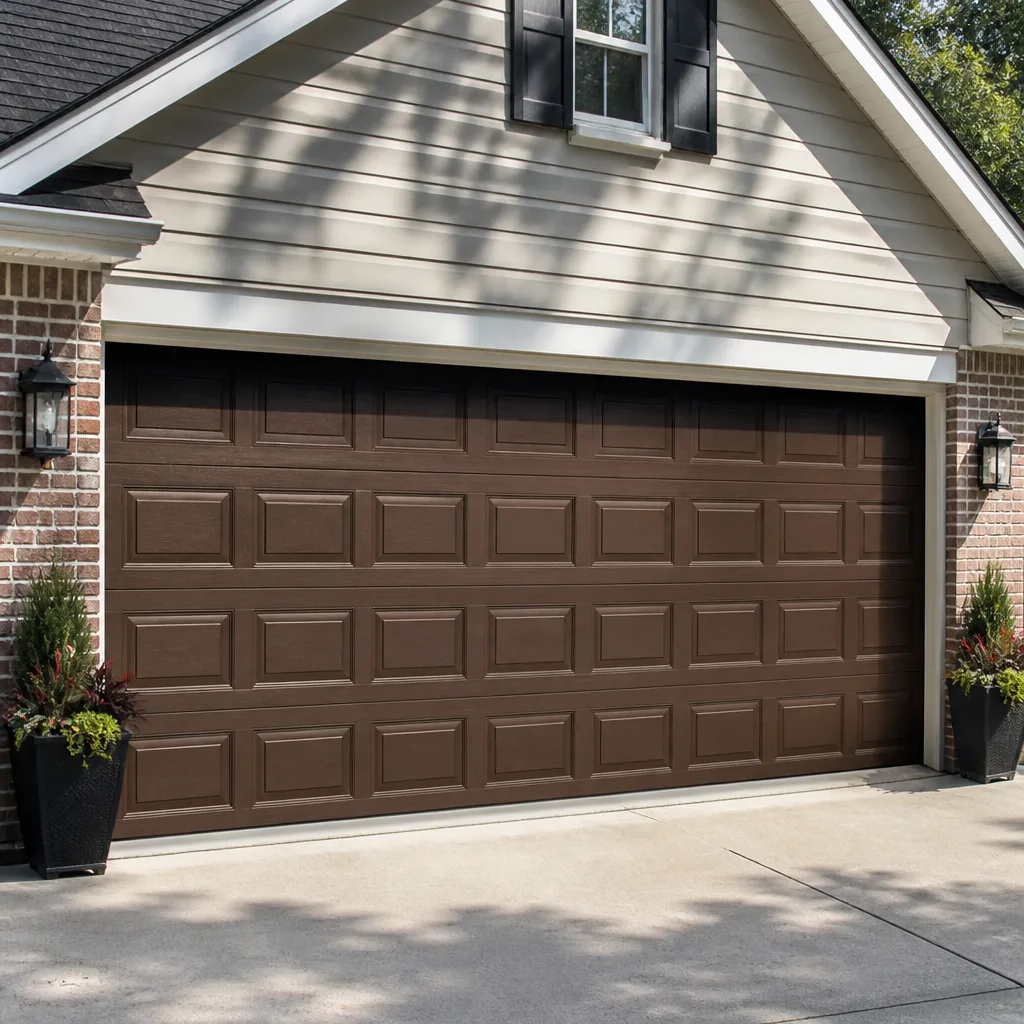 Raised-panel steel
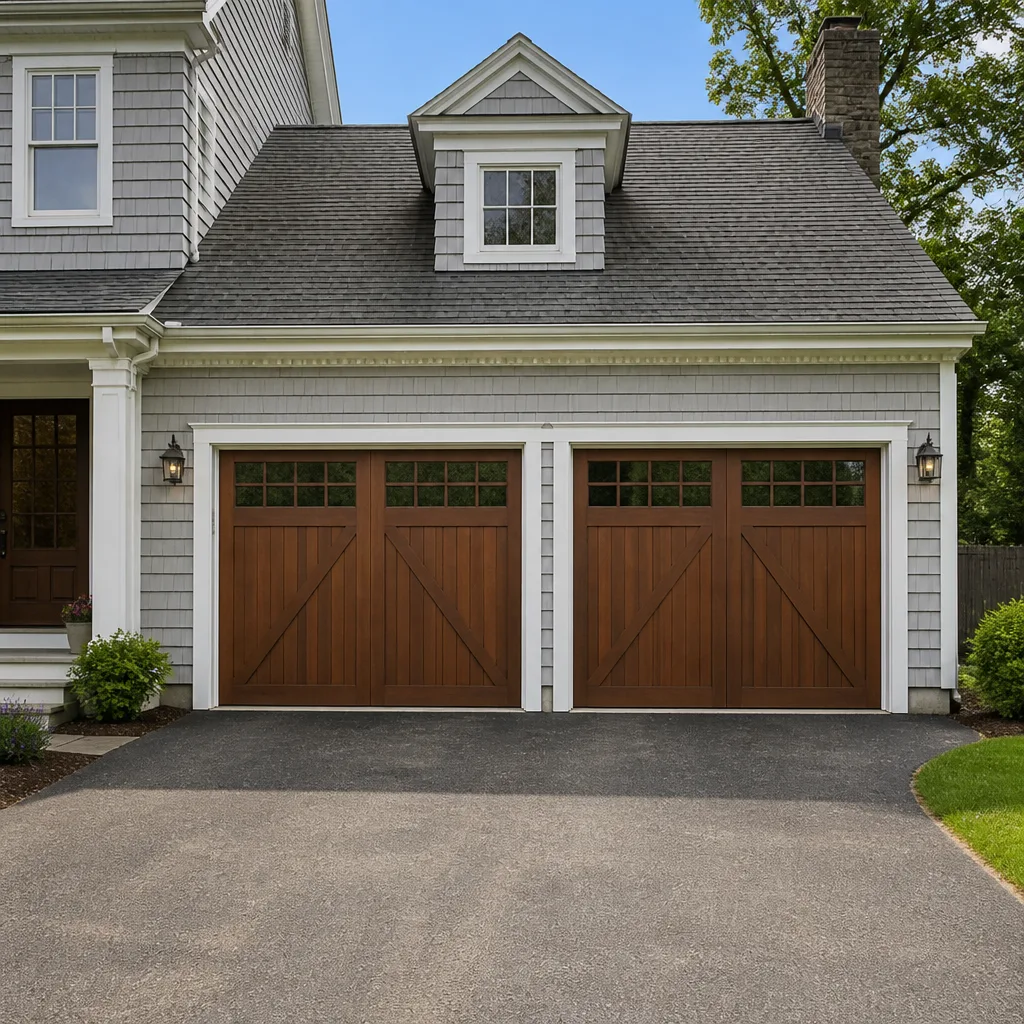 Carriage house
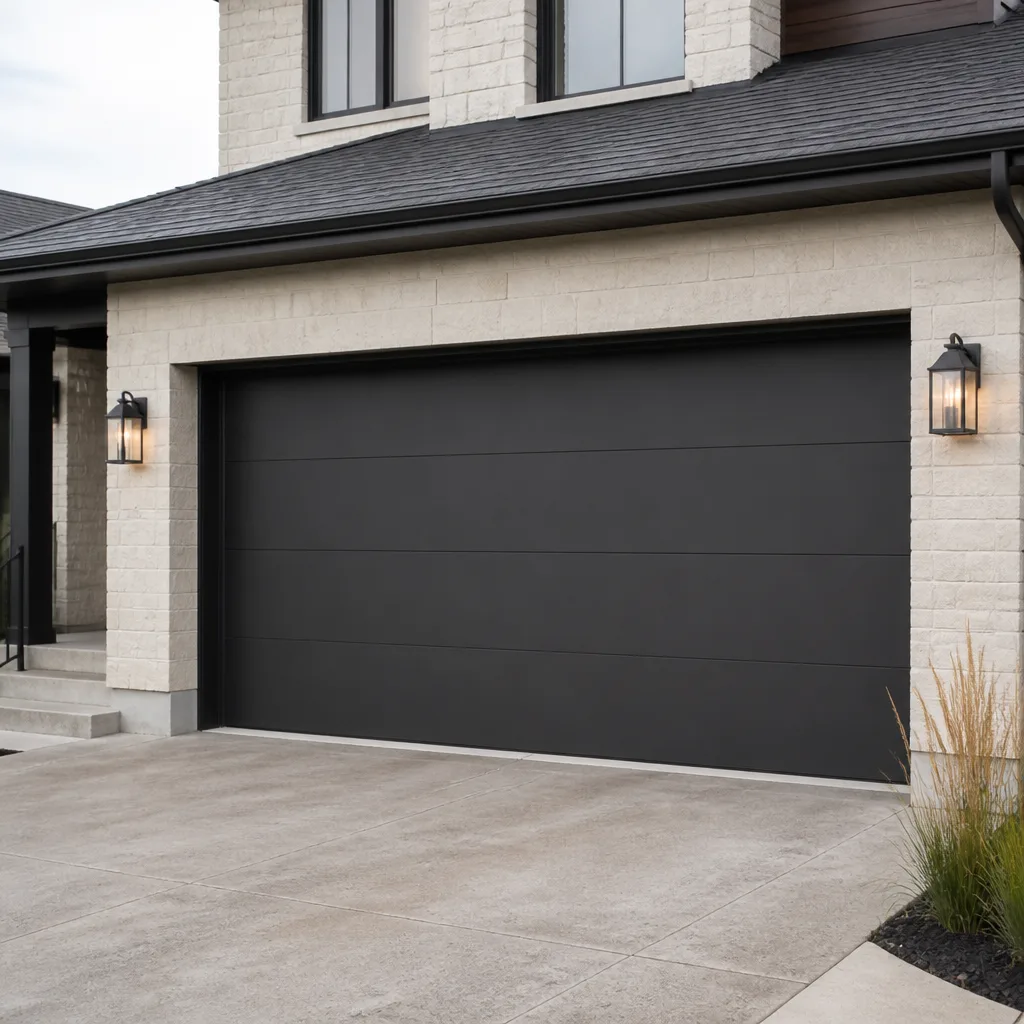 Modern flush
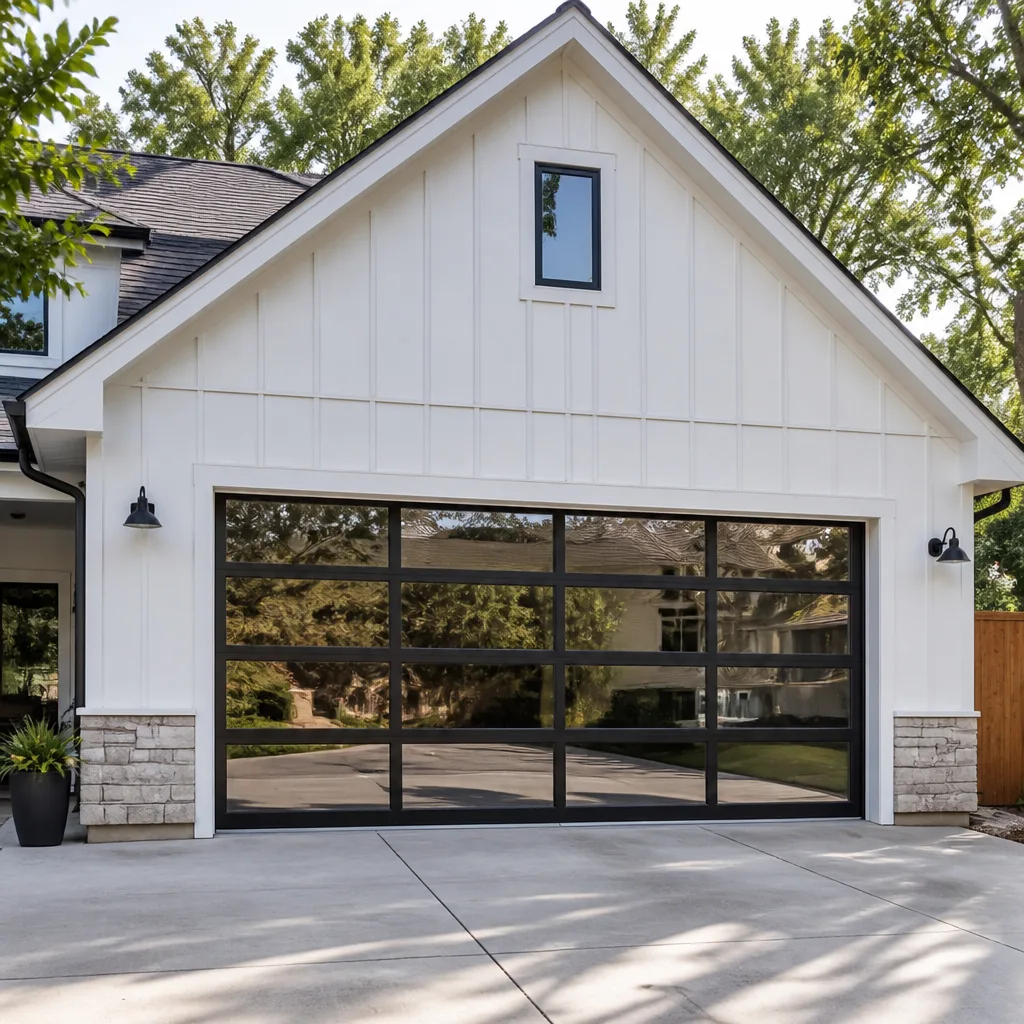 Full-view glass
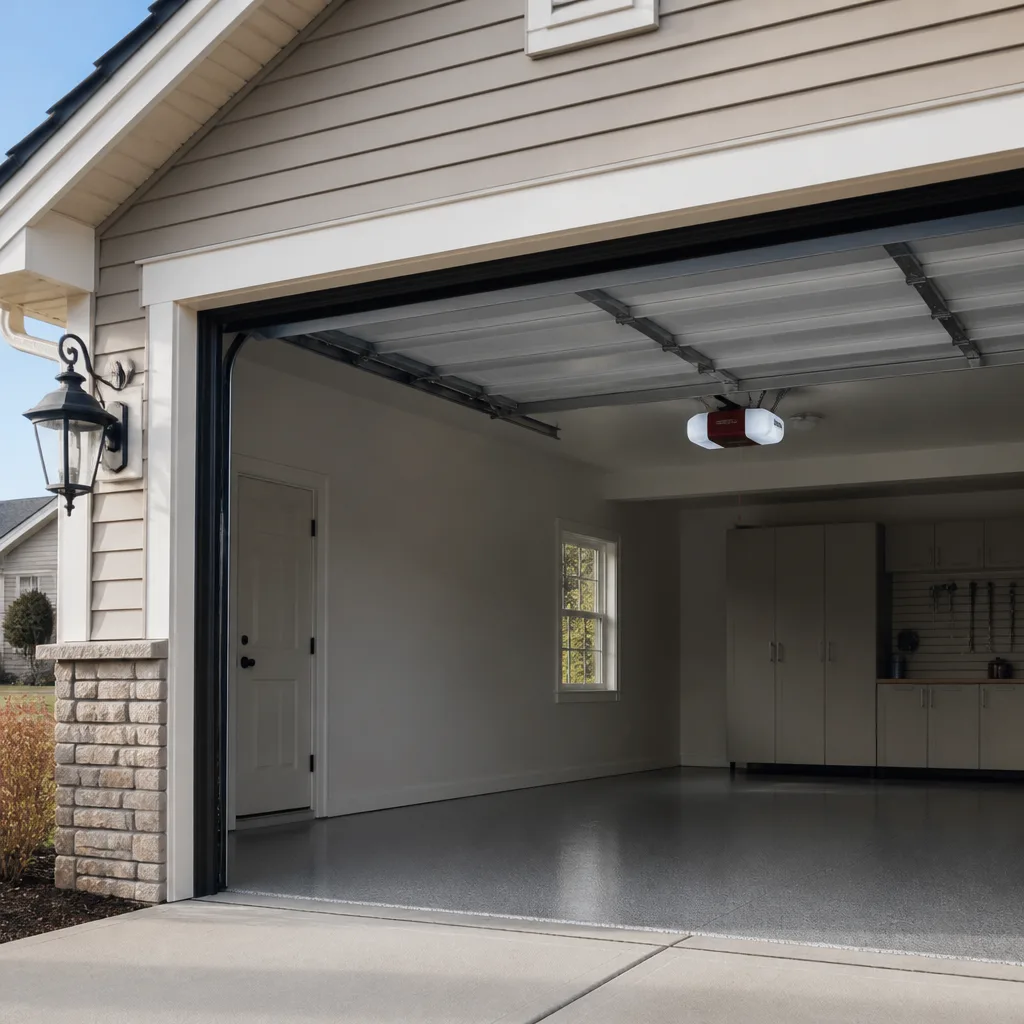 LiftMaster openers
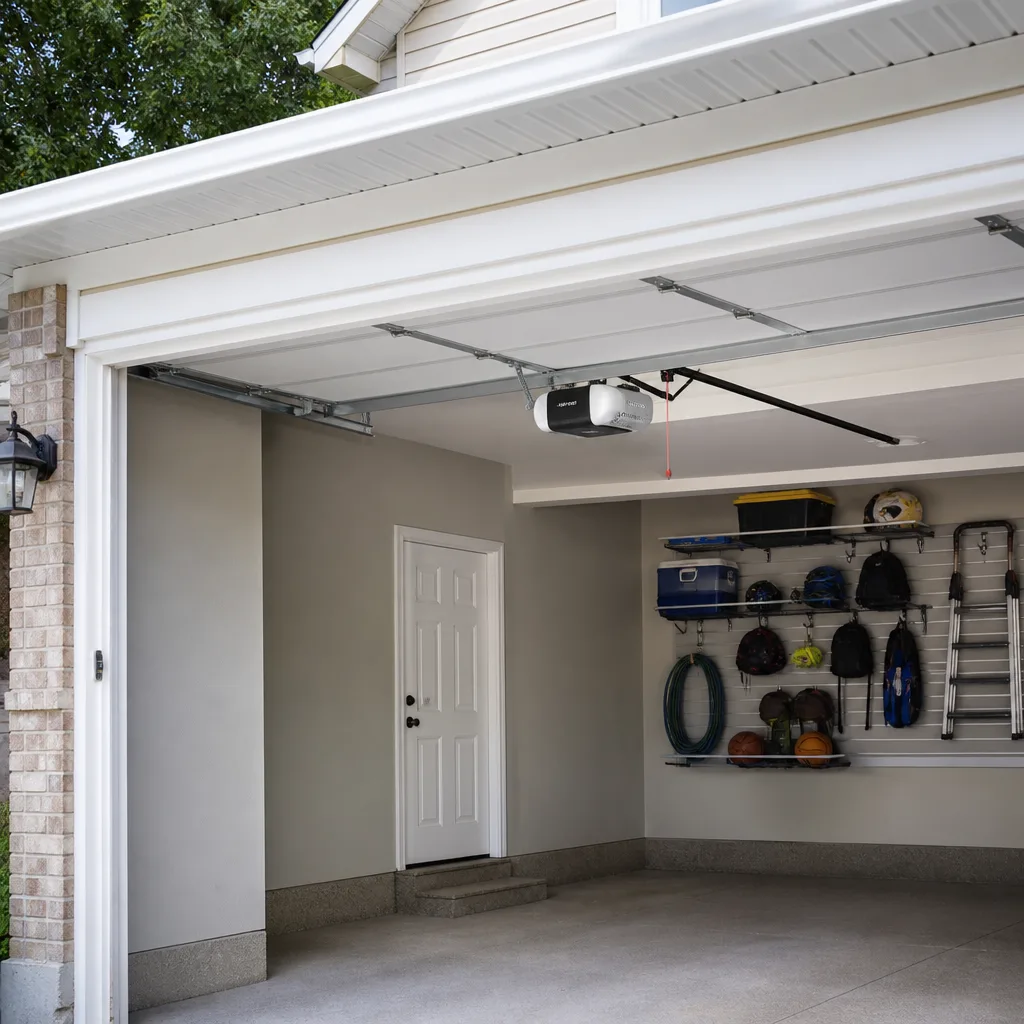 Chamberlain openers
Full 25-point door and opener safety check with every visit - springs, cables, rollers, tracks, and your LiftMaster or Chamberlain opener included
You get a price before we start. It does not change when the truck arrives.
Get your free estimateGarage Door Emergency Preparedness Guide for Carlsbad Homes
Here’s something most Carlsbad homeowners don’t realize until it’s 2 a.m. and the wind is rattling the tracks: your garage door is the largest moving object in your house, and it’s also the one most likely to fail at exactly the wrong moment. Power outage. Earthquake. Santa Ana winds. Each scenario hits Carlsbad differently, and each requires a different response. This guide walks you through the three emergencies that actually happen here in Carlsbad, the manual release procedure for five major opener brands, and the sequence that keeps a bad situation from becoming a snapped cable or a crushed car. Read it now so you’re not learning it by flashlight.
Styles & brands we work with
Quick Answer
A garage door emergency in Carlsbad typically comes from one of three triggers: an SDG&E power outage, post-earthquake frame shifting, or Santa Ana wind damage. The first move in almost every scenario is pulling the red emergency release cord to disengage the opener, which lets you operate the door manually. Knowing where that cord is, how your specific opener model behaves when it’s pulled, and when NOT to force the door takes about ten minutes to learn and can save you hours of being stuck.
Table of Contents
- The Three Carlsbad Emergencies That Actually Happen
- Manual Release by Brand: What Trips People Up
- What to Do When the Power Goes Out
- After an Earthquake: When Not to Force It
- Stuck Door, Trapped Vehicle: The Safe Sequence
- Santa Ana Wind Protocol: Vulnerable Doors and Temporary Securing
- Emergency Contact Checklist: What to Have Ready
- Common Mistakes to Avoid
- When to Call a Professional
- Frequently Asked Questions
- The Bottom Line
The Three Carlsbad Emergencies That Actually Happen
Carlsbad’s garage door emergencies follow a pattern. We see the same three scenarios repeat across every neighborhood from La Costa to Aviara to Bressi Ranch, because they’re driven by regional realities, not random bad luck. Understanding which one you’re dealing with changes what you should do in the first sixty seconds.
The power outage. SDG&E grid events happen during heat waves, high winds (public safety power shutoffs), and equipment failures. When your opener has no power, the door won’t move with the remote or wall button. The door isn’t broken. The opener just can’t run. The fix is the manual release, which we cover in detail below.
The post-earthquake stuck door. Carlsbad sits in a seismically active corridor. After even a moderate quake, the ground movement can shift a door frame enough that the tracks are no longer square. A door that’s even half an inch out of alignment can bind hard. Forcing it is how cables snap and panels bend.
The Santa Ana wind failure. Those east winds that hit 40 to 60 mph in the fall push directly against garage doors, especially the wide two-car doors common in Carlsbad’s newer developments. Wind pressure can bow a door inward, pop it out of its track, or snap a strut that was already fatigued. This one usually isn’t fixable in the dark with a flashlight.
Each of these has a different first move. The next sections walk through them one at a time.
Manual Release by Brand: What Trips People Up
Every residential garage door opener made in the last thirty years has an emergency release mechanism, usually a red cord hanging from the trolley that connects the opener rail to the door. Pulling it disconnects the door from the motor so you can lift the door by hand. But the five brands most common in Carlsbad homes each have quirks, and the differences matter when your hands are shaking and the power is out.
Here’s the brand-by-brand breakdown.
LiftMaster and Chamberlain
These two brands, made by the same parent company, are the most common openers in Carlsbad. The red release cord hangs from the trolley with a T-shaped plastic handle. Pull straight down until you hear and feel a click. The trolley detaches from the carriage. To reconnect, press the wall button once; the trolley re-engages automatically on the next cycle. One thing that trips people up: on newer models with a battery backup, pulling the cord while the unit still has battery power can cause the motor to run while the door is disconnected. Disconnect power to the opener first if you have a battery backup unit.
Genie
Genie openers often use a pull cord that hangs farther back on the rail than LiftMaster or Chamberlain. The handle is still red and still T-shaped, but the release mechanism on older Genie screw-drive models can require a sharper pull. Once pulled, the carriage slides freely along the screw. Reconnecting means running the opener once while the carriage is aligned with the trolley, which can take a moment of finesse. Don’t yank at an angle; pull straight down along the rail line.
Craftsman
Craftsman openers built before roughly 2010 are rebadged Chamberlain units, and the release works the same way. Newer Craftsman models are typically chain drive with the same red cord setup. The main difference: some older Craftsman units have a rope that feels shorter because it’s tied off differently. If you can’t reach it comfortably, the cord may have been knotted by a previous owner or tech. Don’t stand on a ladder in the dark to reach it; use a step stool and keep your feet planted.
Wayne Dalton and Raynor
These brands appear less often on openers but the iDrive and similar wall-mount units from Wayne Dalton are worth knowing about. The Wayne Dalton iDrive doesn’t have a traditional overhead trolley. The release is a small white or red lever on the wall-mounted motor unit itself, not a cord hanging from the ceiling. Raynor openers, which are primarily belt and chain drive, follow the standard red cord pattern. If you have a wall-mount opener of any brand, the release is on the motor housing at the wall, not above the door.
The universal rule regardless of brand: pull the cord only when the door is fully closed. Pulling it while the door is mid-travel with a broken spring can send the door crashing down, which is how fingers, pets, and car hoods get hurt. If the door is stuck open when the power dies, get help before fiddling with the release.
If you have an opener brand that isn’t listed here, the release mechanism is almost always the red cord or a wall-mount lever. When you call us, we can walk you through it over the phone for your specific model. Flagstone handles all eight major brands, including every one covered in this guide.
What to Do When the Power Goes Out
A power outage in Carlsbad is usually an inconvenience, not an emergency, unless you need to leave the house or get a car out of the garage. Here’s the sequence that gets your door open safely without power.
- Confirm the door is fully closed. If it’s mid-travel, do not pull the release. A door with a broken or working spring behaves unpredictably when released mid-cycle. If it’s stuck partway, skip to the professional section.
- Locate the emergency release cord. It’s the red cord hanging from the opener rail or, on wall-mount units, the lever on the motor housing. If you’ve never looked for it, now is the time to find it, not during an actual emergency.
- Pull firmly and steadily downward. You should hear a click or feel the trolley detach. The door is now in manual mode.
- Lift the door with two hands on the bottom edge or handles. A properly balanced door should lift with moderate effort and stay up on its own. If it feels heavy, stop. A heavy door means a broken or weak spring, and the door is not safe to operate manually.
- Prop the door open if you need it open for an extended period. A balanced door should stay open, but don’t trust it if it’s been acting up. Use a sturdy prop, not a broom handle.
- To close it again, lower it slowly and guide it down. Once power returns, press the wall button to re-engage the opener. The trolley should reconnect automatically.
If you have a LiftMaster or Chamberlain opener with battery backup, your door may still work during a power outage without pulling the release. Those units typically provide enough power for 20 to 50 cycles. If the battery is depleted or you hear a beeping from the unit, that means the battery is running low and you’ll need the manual release.
For homes in Carlsbad’s coastal zones, one thing worth doing before an outage hits: lube the door’s rollers and hinges. A door that sits for months between manual operations is stiffer than you think, and that stiffness is the difference between a smooth manual open and feeling like you’re lifting a car. A silicone-based lubricant on the metal rollers and hinge pins every six months is cheap insurance.
After an Earthquake: When Not to Force It
Earthquakes shift things. In Carlsbad, even a 4.5-magnitude quake 20 miles away can move a garage door frame enough to change how the door sits in its tracks. The problem is that after a quake, most of the visible damage is subtle. You won’t see a broken panel hanging off the wall. You’ll see a door that’s fractionally off.
Here’s what to check before you even think about opening the door:
- Look at the gap between the door and the side framing. On both sides, the gap should be uniform. If it’s noticeably wider at the top or bottom, the frame has shifted.
- Eyeball the tracks. The vertical track should be plumb and parallel to the frame. If a track is bowed inward or the gap between the track and the door changes halfway up, that’s a red flag.
- Check the top of the door for daylight. When the door is closed, you shouldn’t see light sneaking under the top panel on one side more than the other.
- Listen. If you manually lift the door a few inches and hear grinding, scraping, or something that sounds like metal dragging on metal, stop immediately and set the door back down.
Here’s the rule that saves cables and fingers: if the door binds even slightly, do not force it. A racked frame puts the tracks out of alignment, and the rollers can’t travel smoothly through a track that’s no longer straight. Forcing the door up is how you snap a cable, bend a roller bracket, or pull the bottom panel off its hinges. The cable under tension becomes a steel whip when it releases, and the energy goes somewhere you don’t want to be standing.
For the door to be safe to operate after a quake, the door should lift and lower with the same effort it took before the quake. If it doesn’t, the frame, the tracks, or both need adjustment. Some frame movement is correctable with track realignment. In other cases, the frame itself needs structural attention before the door will ever run right again.
We’ve seen this exact scenario in older Carlsbad neighborhoods where homes built in the 1970s and 1980s sit on compacted but shifting soil. The concrete slab moves, the garage frame moves with it, and the door is the first thing that tells you something changed. We treat these calls differently than a normal Garage Door Repair in Carlsbad because the underlying structure matters more than the door hardware.
Stuck Door, Trapped Vehicle: The Safe Sequence
There’s a special kind of frustration when your car is inside the garage and the door won’t open. Maybe the opener failed. Maybe a spring snapped while the door was down. Maybe it’s a power outage and the manual release isn’t working. Whatever the cause, here’s the sequence that gets your car out without wrecking the door or hurting you.
First, assess why the door is stuck. If the opener simply has no power, the manual release should let you lift the door by hand. Follow the power outage steps above. If the door is stuck because a spring snapped, the situation changes entirely.
A snapped torsion spring sounds like a gunshot and leaves the door with no counterbalance. The door now weighs somewhere between 150 and 400 pounds, and the opener motor is trying to lift that by itself. The opener will struggle and strain, and on some models, a safety circuit prevents it from moving the door at all. If the door doesn’t move when you press the button and you heard a loud bang earlier, don’t keep pressing. Every attempt adds strain to the opener’s gear and risks stripping it.
The safe sequence for a snapped spring:
- Do not release the emergency cord. With no spring to balance the door, pulling the release drops the full weight of the door onto whatever is under it, usually you. This is how people get pinned against car hoods.
- Do not try to lift the door manually. A door without a working spring is beyond safe manual operation. You cannot hold it up, and if it slips, the result is serious injury.
- Do not try to drive through the door. This sounds obvious, but in an emergency, people do impulsive things. A garage door is surprisingly strong, and the damage to the car, the door, and the frame will cost more than a spring replacement ever would.
- Call a professional. A snapped spring is one of the few garage door issues that legitimately requires a technician. The repair involves winding tension into a new spring under specific torque requirements, and the tools are specialized. Flagstone handles spring replacements as a core part of our Garage Door Repair in Carlsbad service, and on a normal day, our technician can have the door running again within a couple of hours of arrival.
If the car is genuinely trapped and you need to leave right now, the only safe manual option is to have people help you lift the door while supporting it with a length of lumber or a dedicated door prop. This is a temporary measure for getting the car out. Do not leave the door propped open with anything that can slip or collapse. The door must be supported or on the ground, never hanging.
Santa Ana Wind Protocol: Vulnerable Doors and Temporary Securing
Santa Ana winds hit Carlsbad every fall, usually October through December, with the strongest gusts arriving overnight and in the early morning. Wind speeds of 40 to 60 mph are common in the inland neighborhoods, and those winds push directly against the largest flat surface on your house: the garage door.
Which doors are most vulnerable?
- Wide two-car doors. A 16-foot-wide door has roughly 112 square feet of surface area. At 50 mph, that’s thousands of pounds of wind pressure. Wider doors bow and flex under loads they were never designed to absorb.
- Non-insulated steel doors. Thin metal panels without insulation backing flex more and transfer more stress to the hinges and track brackets.
- Older wood doors. Beautiful as they are, wood doors in Carlsbad’s coastal air absorb moisture, warp, and become brittle. A warped panel catches wind differently and can pop a hinge or snap a strut under sustained gusting.
- Doors with missing or loose struts. The horizontal reinforcement bars mounted across the top panel of most doors are the primary defense against wind bowing. If a strut is cracked, loose, or missing, the door loses most of its rigidity.
What you can do before a Santa Ana event hits:
- Close the door, obviously. An open door in high wind is a sail. It catches wind, jerks against the opener, and can twist the brackets where the door meets the track.
- Pull the manual release and manually lower the door. This disengages the opener so the door isn’t fighting the motor. Set the door down and re-engage the opener.
- Check the struts. Push on the top panel from inside the garage. It should feel rigid. If it flexes more than half an inch, the strut needs replacement. Until then, the door is a wind casualty waiting to happen.
- If the door already shows inward bowing under wind load, brace it from the inside. A 2×4 cut to length and wedged diagonally from the ground to the top panel adds temporary rigidity. This is not a permanent fix, but it can keep the door in its track through a bad night of wind.
If the door blows in or pops out of its track during a Santa Ana event: do not operate the opener. The rollers are now out of alignment, and running the motor will shred the panel edges, bend the track, and snap cables. The door needs a professional track realignment and likely a new roller or two. This is a common call for us during Carlsbad’s fall wind season, and we handle it as a Garage Door Repair in Carlsbad priority.
Emergency Contact Checklist: What to Have Ready
When your garage door has failed and you’re calling for help, the difference between a ten-minute call and a thirty-minute call is what information you have in front of you. A technician who arrives prepared with the right parts and the right plan gets your door running faster than one who’s diagnosing from scratch.
Before you call, gather these details:
- The door brand. Look for a nameplate on the bottom panel, the top panel, or along the side of the door. Common brands in Carlsbad include Clopay, Amarr, Wayne Dalton, and Raynor.
- The opener brand and model. The brand is printed on the motor housing (LiftMaster, Chamberlain, Genie, Craftsman, etc.), and the model number is usually on a label on the back or side of the unit. A photo with your phone is the easiest way to capture this.
- The spring type. Look up at the closed door. Do you see one or two springs mounted horizontally on a bar above the door (torsion springs)? Or do you see long springs stretching along the horizontal tracks on each side (extension springs)? That distinction tells the tech exactly what parts to bring.
- What happened. Did the door refuse to open? Did it make a loud noise? Did it open partway and then reverse? The specific failure symptom narrows the diagnosis more than anything else.
- Good photos. Take a clear photo of the door from inside the garage showing the spring/s and opener. Also take one of the door from outside, closed. A photo of any visible damage or where the door is stuck helps too.
Having this information ready also lets us give you a realistic ballpark before we even dispatch. We service all eight major brands, so telling us you have a Chamberlain opener and a torsion spring simply narrows what goes on the truck. It doesn’t limit what we can fix.
For any door repair in Carlsbad, you can also pre-save our number, (877) 626-0784, in your phone. When an emergency hits at 11 p.m., fumbling through search results to find a garage door company wastes time you don’t have.
Common Mistakes to Avoid
- Pulling the emergency release with the door raised. The release cord is designed to be pulled when the door is down. Pulling it while the door is open, especially with a weak or failing spring, drops the entire weight of the door on whatever is underneath. This is the most common cause of garage door injuries we hear about in Carlsbad.
- Forcing a binding door after an earthquake. A racked frame means the tracks are no longer true. Forcing the door just bends the tracks further and snaps cables under tension. When it binds, stop and call someone.
- Assuming every opener release works the same way. The red cord pattern covers about 90 percent of the openers in Carlsbad, but wall-mount units like the Wayne Dalton iDrive use a lever on the motor housing at the wall. Know what you have before an emergency.
- Lubricating the wrong parts. Grease belongs on the opener rail and the torsion spring. Graphite or silicone belongs on the rollers and hinges. Using the wrong lubricant on the wrong part attracts dirt and creates grinding paste. We see this in garages all over Carlsbad.
- Ignoring the beeping from an opener with battery backup. That beep means the battery is depleted or charging anomalies are occurring. A LiftMaster or Chamberlain with a dead battery is just as inoperable during an outage as a unit without backup at all. If it beeps, replace the battery.
- Leaving the door halfway open during a Santa Ana wind event. A partially open door catches wind like a scoop. It twists the top panel, bends the tracks, and can break the operator arm. Always keep the door fully closed or fully open, never in between, when the wind is up.
- Attempting to replace a spring yourself. Torsion springs hold enough tension to break bones and cut deep. The winding bars, the specific torque requirements, and the consequences of a mistake make this the single most dangerous DIY project in the average home. We say this from years of Garage Door Repair in Carlsbad experience: don’t.
When to Call a Professional
Some garage door issues are handyman-friendly. Others need a specialist with the right tools, the right training, and the right parts. Here’s the line: if the problem involves springs, cables, or track realignment, you need a professional. These components hold tension and weight, and the failure mode is not forgiving. A snapped cable can lash across the garage with enough force to cut sheet metal. A torsion spring unwinding by mistake can break facial bones. These aren’t hypotheticals. They happen every year in garages across San Diego County, including Carlsbad.
Call a pro if you’ve snapped a spring, if the door is off its track, if the frame has shifted after an earthquake, if a cable is frayed or broken, or if you’ve pulled the release and the door still will not open. For opener-specific failures like motor hum with no movement, or the opener running but the door not responding, Flagstone offers dedicated Garage Door Opener Repair in Carlsbad service. We’ll diagnose whether the issue is in the opener, the door, or the connection between them. Estimates are always free, and the price is quoted before any work starts. Call (877) 626-0784 to schedule.
If your door is past repair and you’re weighing replacement, our Garage Door Installation in Carlsbad page walks through the options, from wind-rated doors that hold up better in Santa Ana conditions to insulated doors that handle Carlsbad’s coastal air without rusting. We’ll tell you honestly whether repair or replacement makes more sense for your specific door, because we’re brand-agnostic. The recommendation is based on what your door actually needs, not what we’re incentivized to sell.
Frequently Asked Questions
Pull the red emergency release cord hanging from the opener rail while the door is fully closed, then lift the door manually with both hands. The door should lift with moderate effort and stay open on its own. If it’s heavy or won’t stay up, the spring has failed, and you should call (877) 626-0784 rather than forcing it.
Check for visible frame shifting by looking at the gap between the door and the side framing, and check whether the tracks are still parallel to the frame. If the door binds when you try to open it manually, stop and call a professional. Forcing a misaligned door snaps cables and bends panels. Flagstone handles post-earthquake track realignment as a standard Garage Door Repair in Carlsbad call.
Yes. Sustained 50 mph gusts against a 16-foot-wide door create thousands of pounds of pressure, and doors with missing or loose struts bow inward and pop out of their tracks. If your door is bowing during a wind event, brace it temporarily with a 2×4 from inside the garage and call for strut reinforcement once the wind dies down. For a more permanent solution, a wind-rated door installation in Carlsbad is worth considering.
Some openers need to be re-synced to their travel limits after an outage. Press and hold the wall button for three to five seconds to see if the opener re-engages. If the opener runs but the door doesn’t move, the emergency release has been pulled and needs to be re-engaged. Press the wall button once; most LiftMaster, Chamberlain, Genie, and Craftsman models reconnect automatically.
No. A partially open door catches wind and twists the top panel against the tracks, which can snap the operator arm and bend the upper track section. Always keep the door fully closed or fully open during a Santa Ana event. Fully closed and braced against the wind with the opener disengaged is the safest position for the door itself.
Have the door brand, opener brand and model number, spring type (torsion or extension), and a clear description of what happened. Photos help a technician arrive with the right parts instead of diagnosing from scratch. Flagstone services all eight major brands, so any opener or door make you have is one we know. Call (877) 626-0784 with those details for a faster, more accurate estimate.
The Bottom Line
Carlsbad garage door emergencies are predictable. Power outages from SDG&E grid events, earthquake-shifted frames, and Santa Ana wind damage account for the vast majority of urgent calls we take. Each has a specific response, and the steps are learnable in a few minutes. Know your opener’s manual release before you need it. Know not to force a door that was just through an earthquake. Know that a snapped spring means calling a professional, not wrestling the door yourself. And keep the Flagstone Garage Door Repair home number saved in your phone. When you call (877) 626-0784, you’ll speak with someone who knows exactly which brands are common in Carlsbad and how to get your door running again.
Written by the team at Flagstone Garage Door Repair, serving Carlsbad since 2014.
See the difference
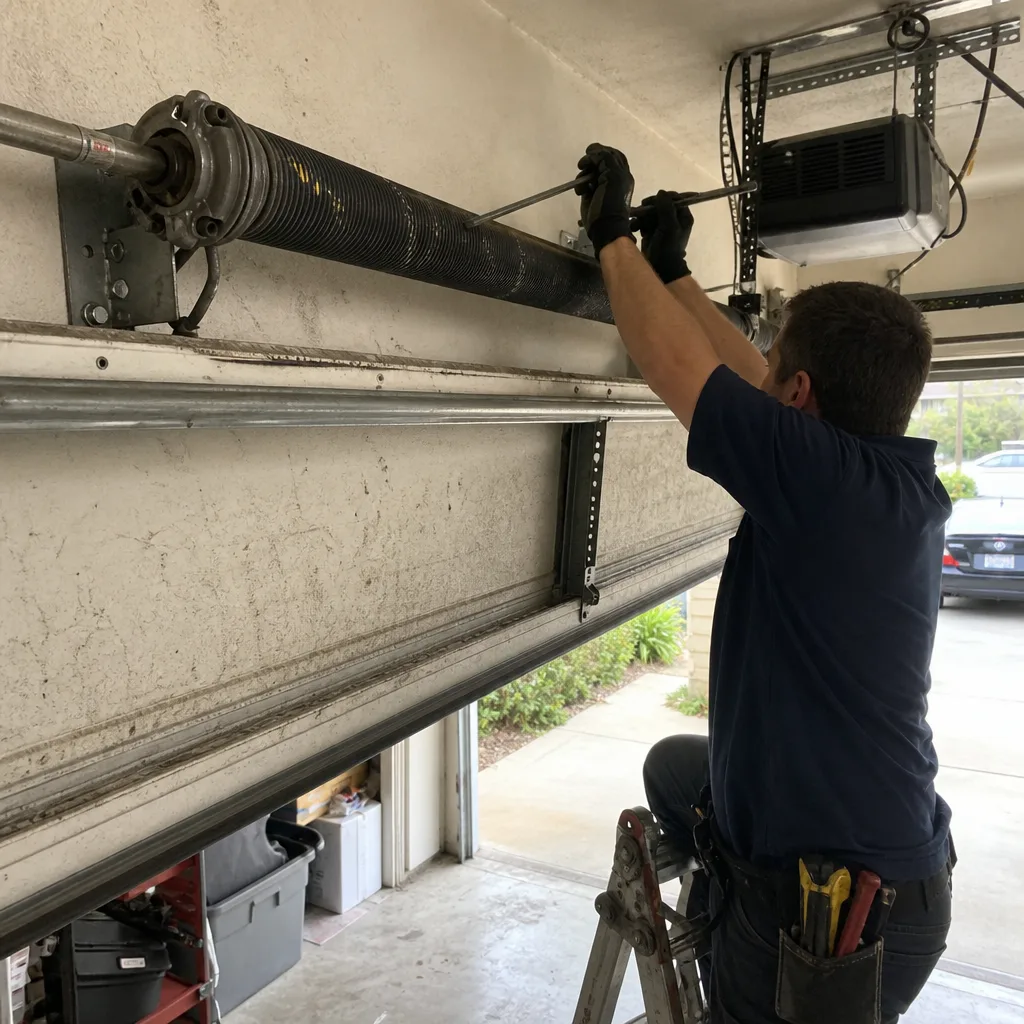 Before
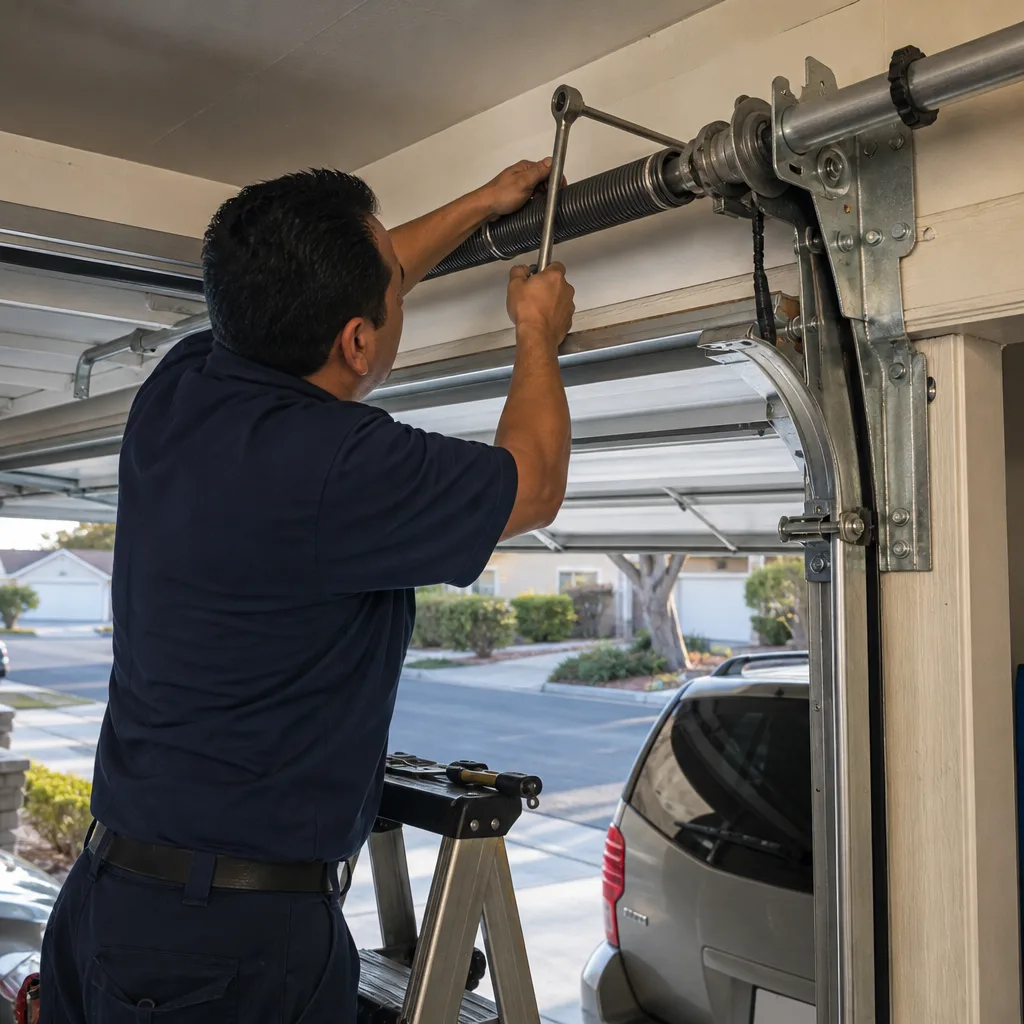 After
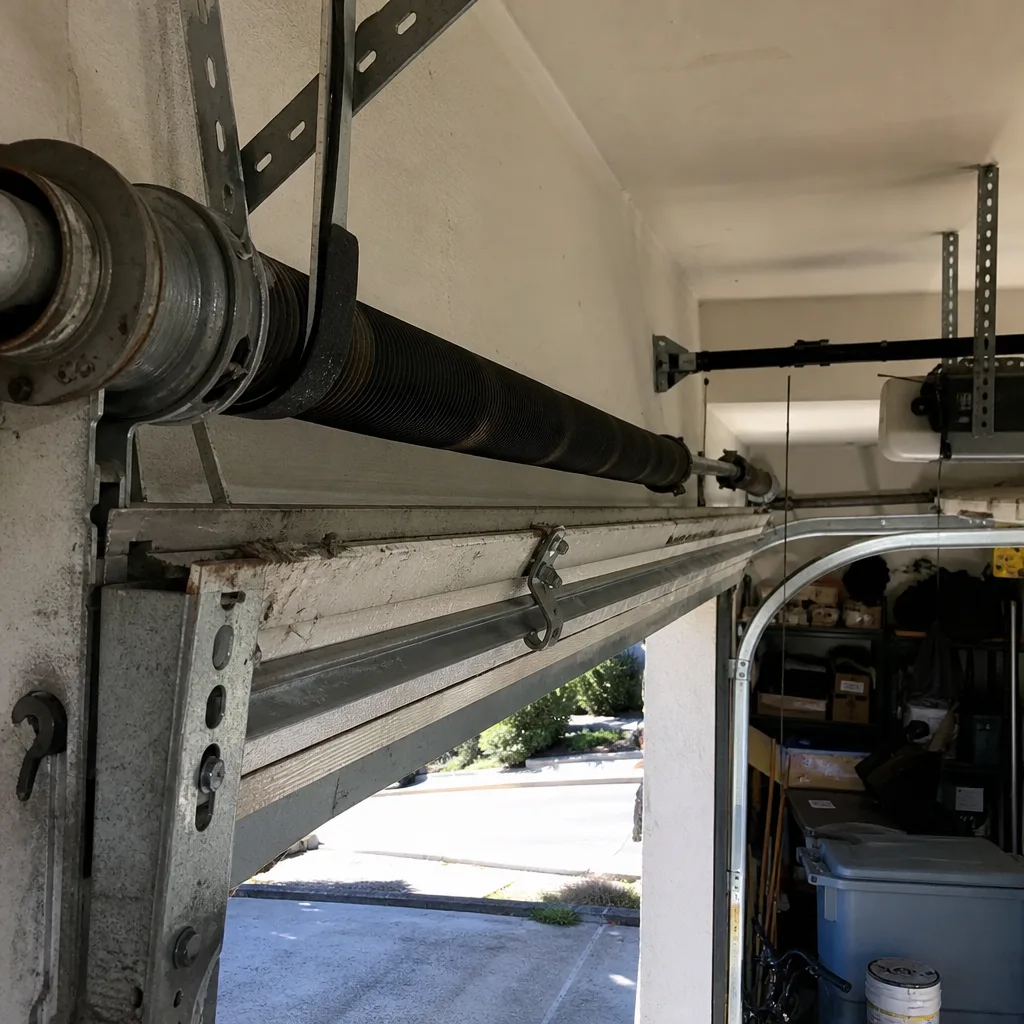 Before
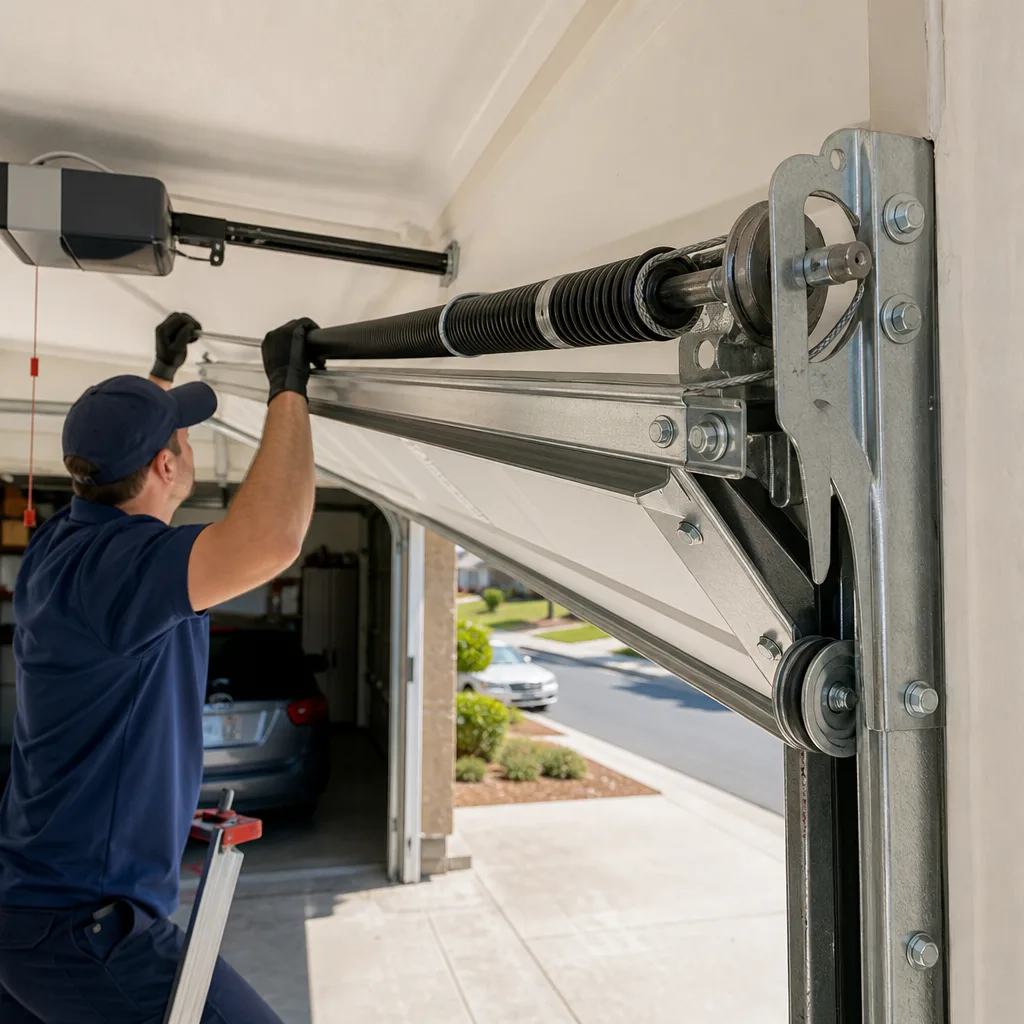 After
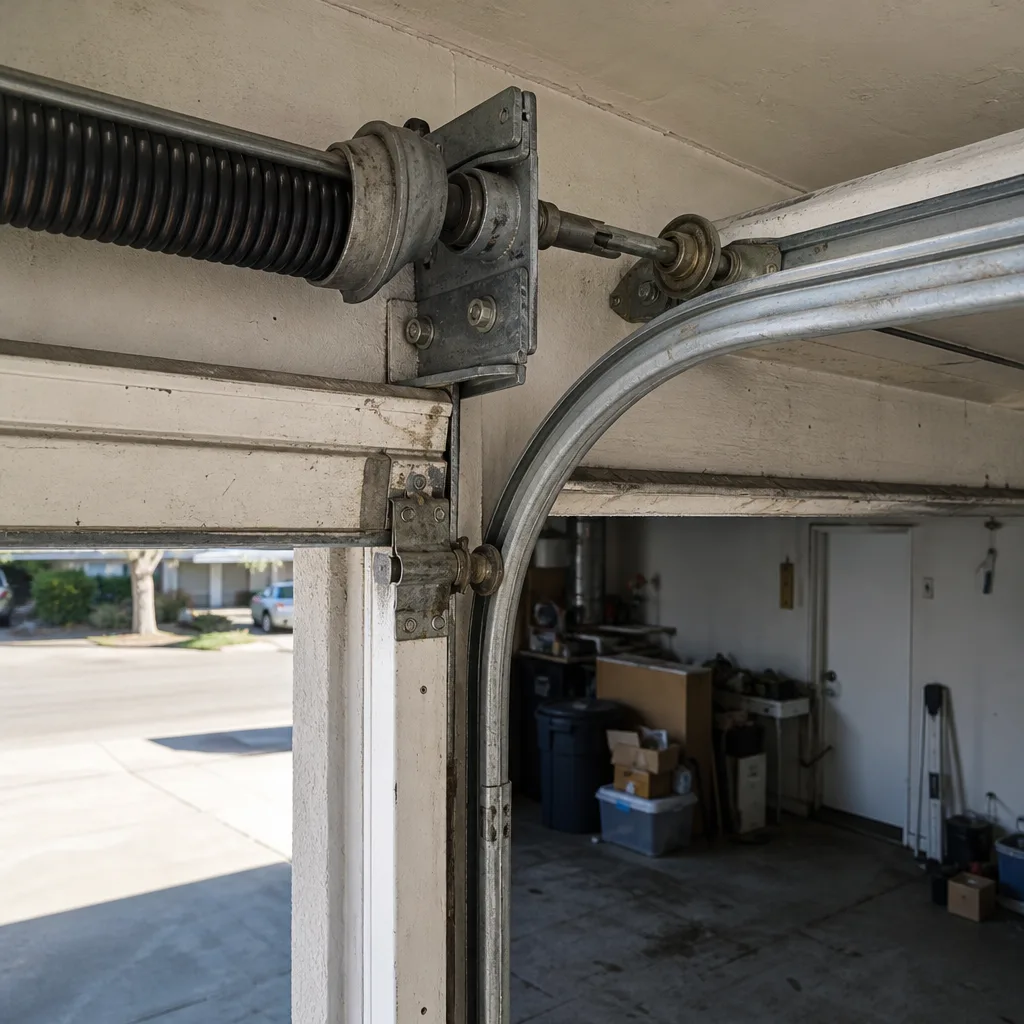 Before
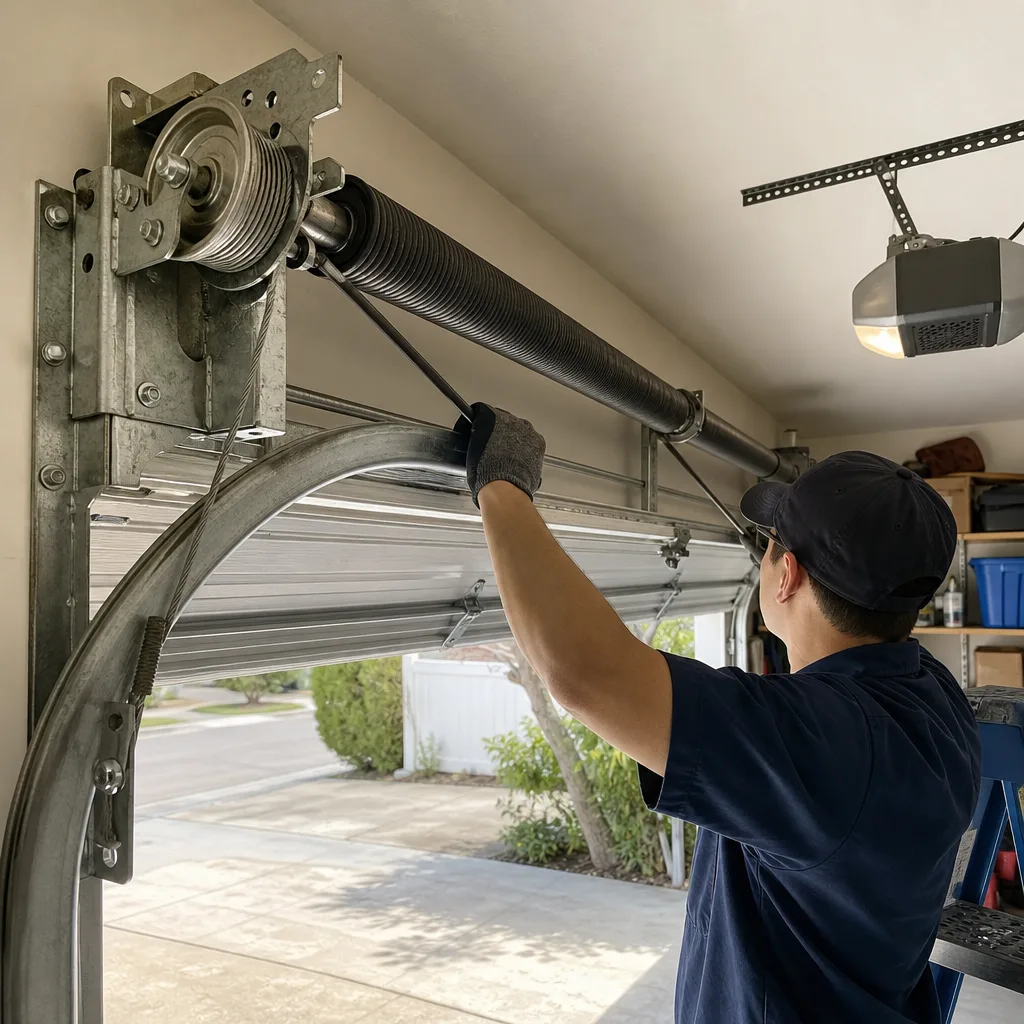 After