
Last updated October 30, 2026
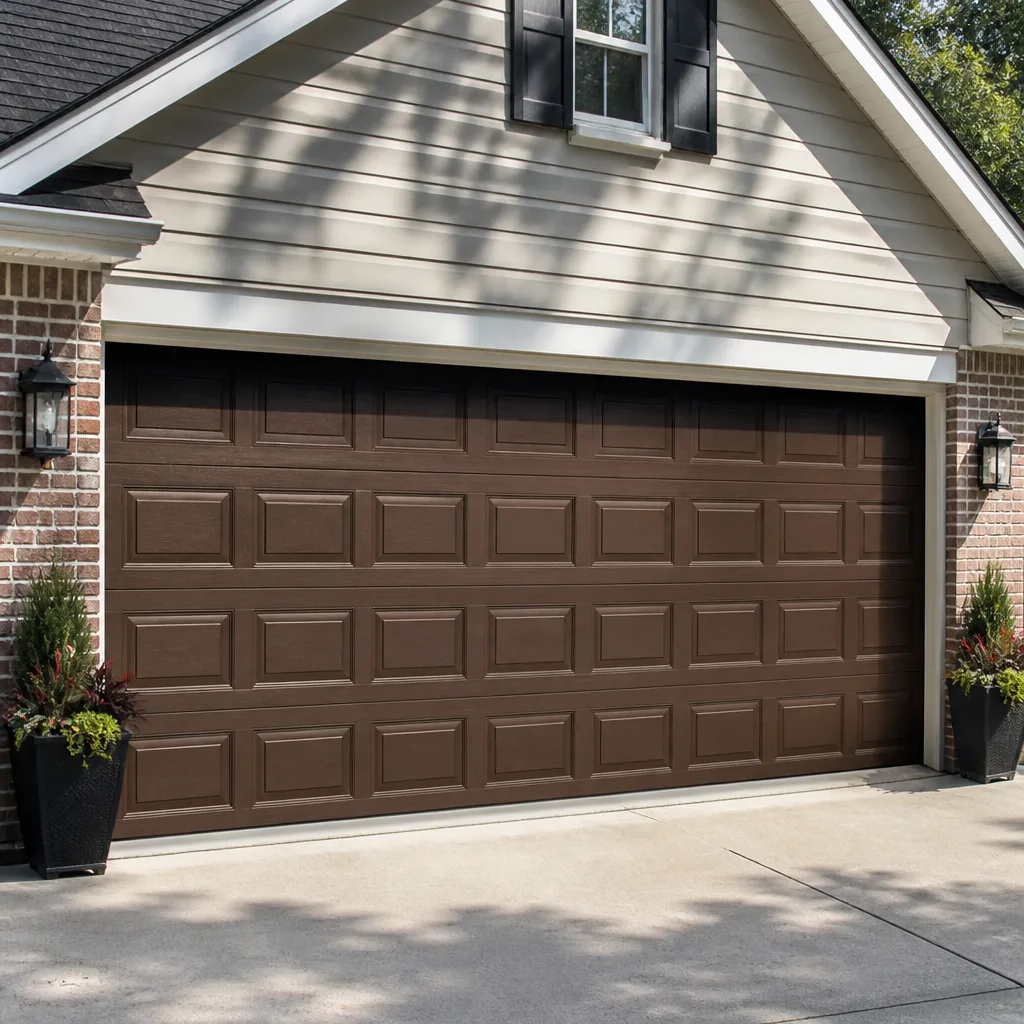 Raised-panel steel
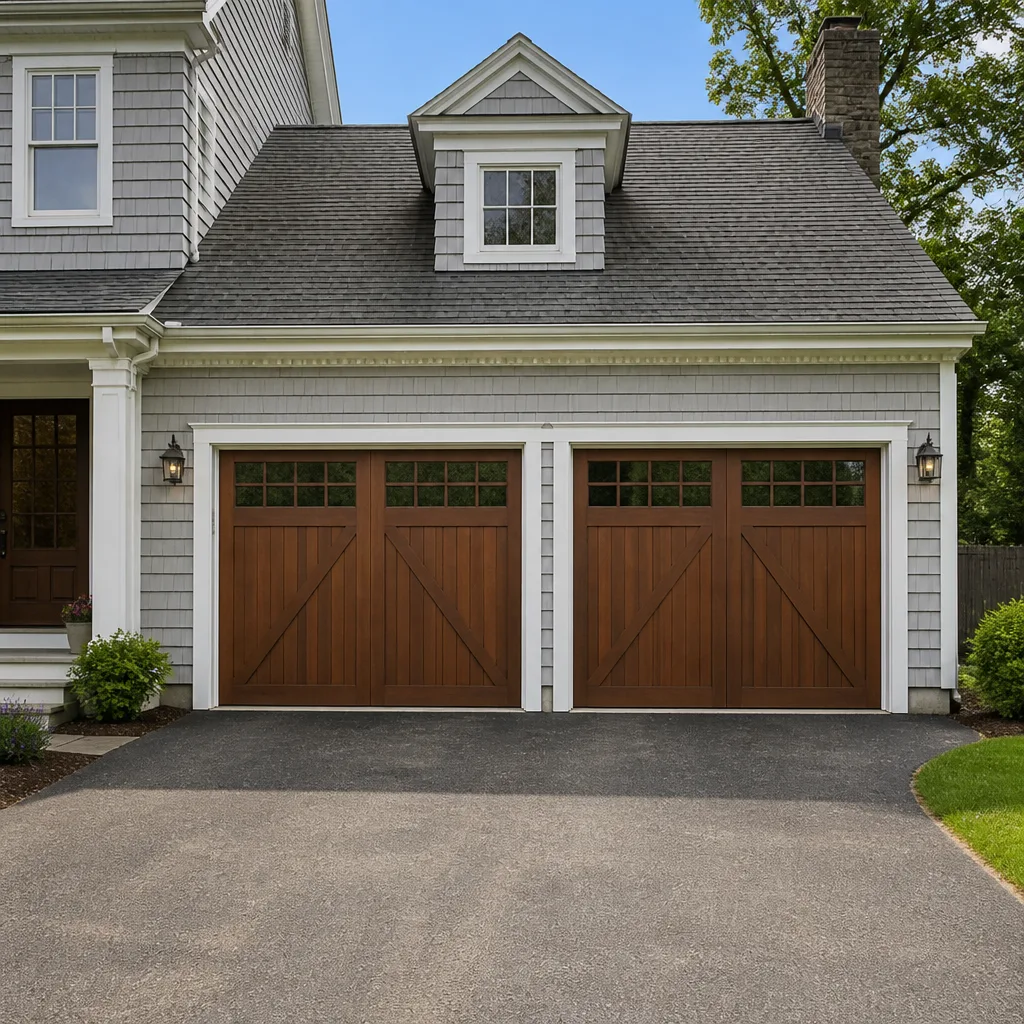 Carriage house
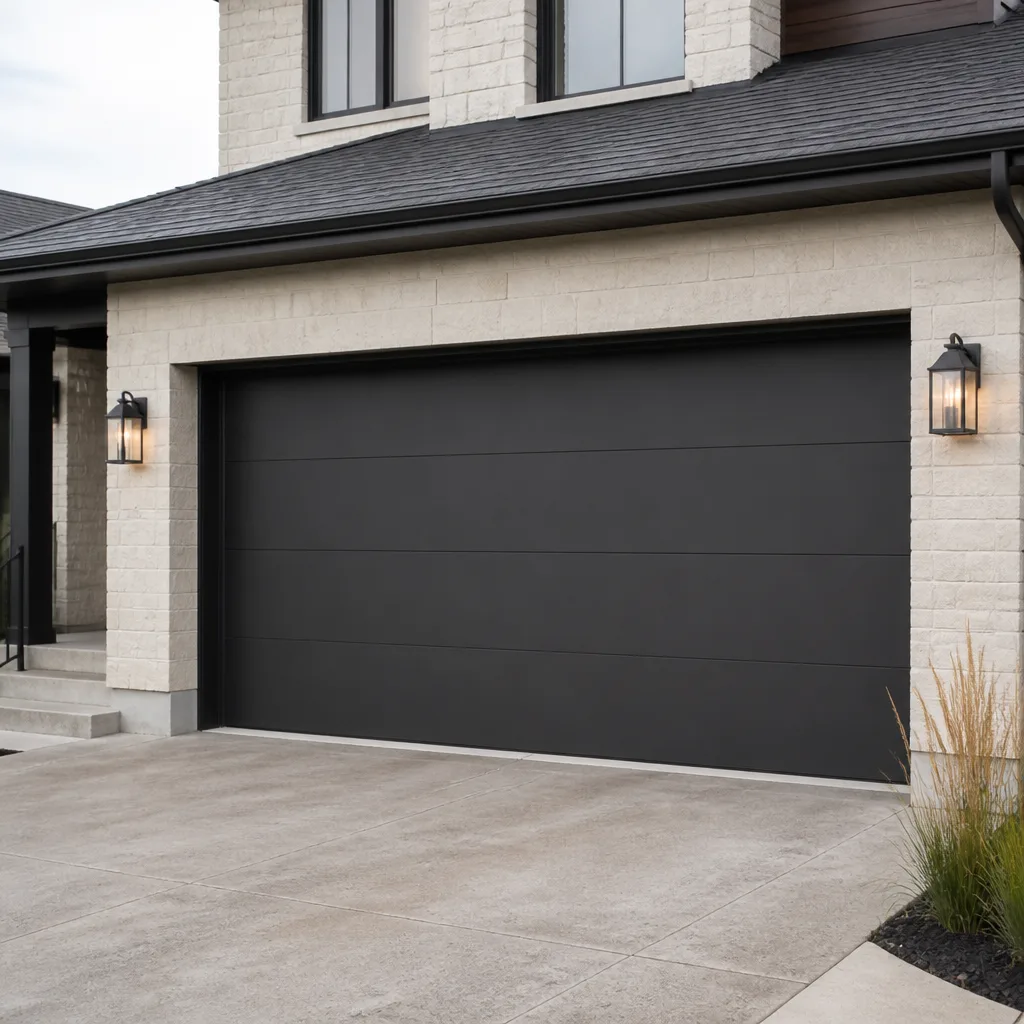 Modern flush
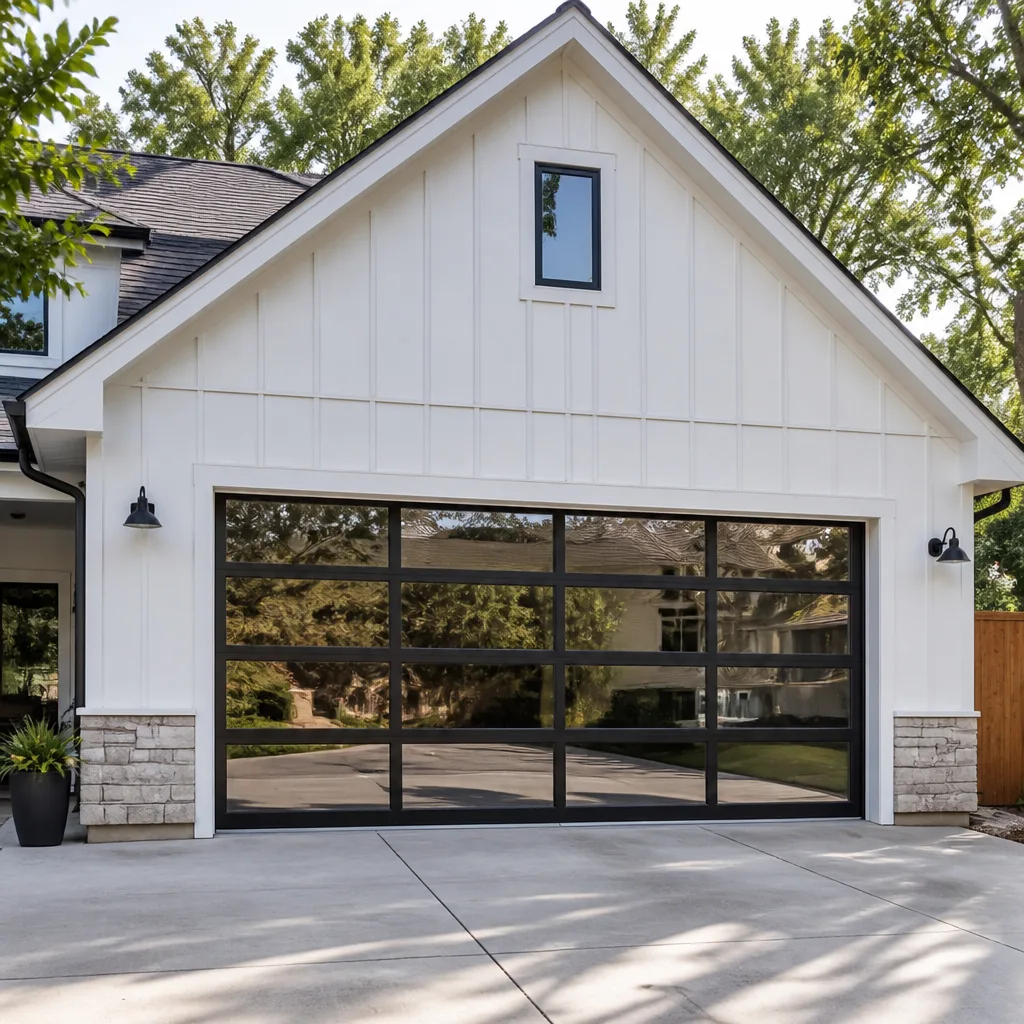 Full-view glass
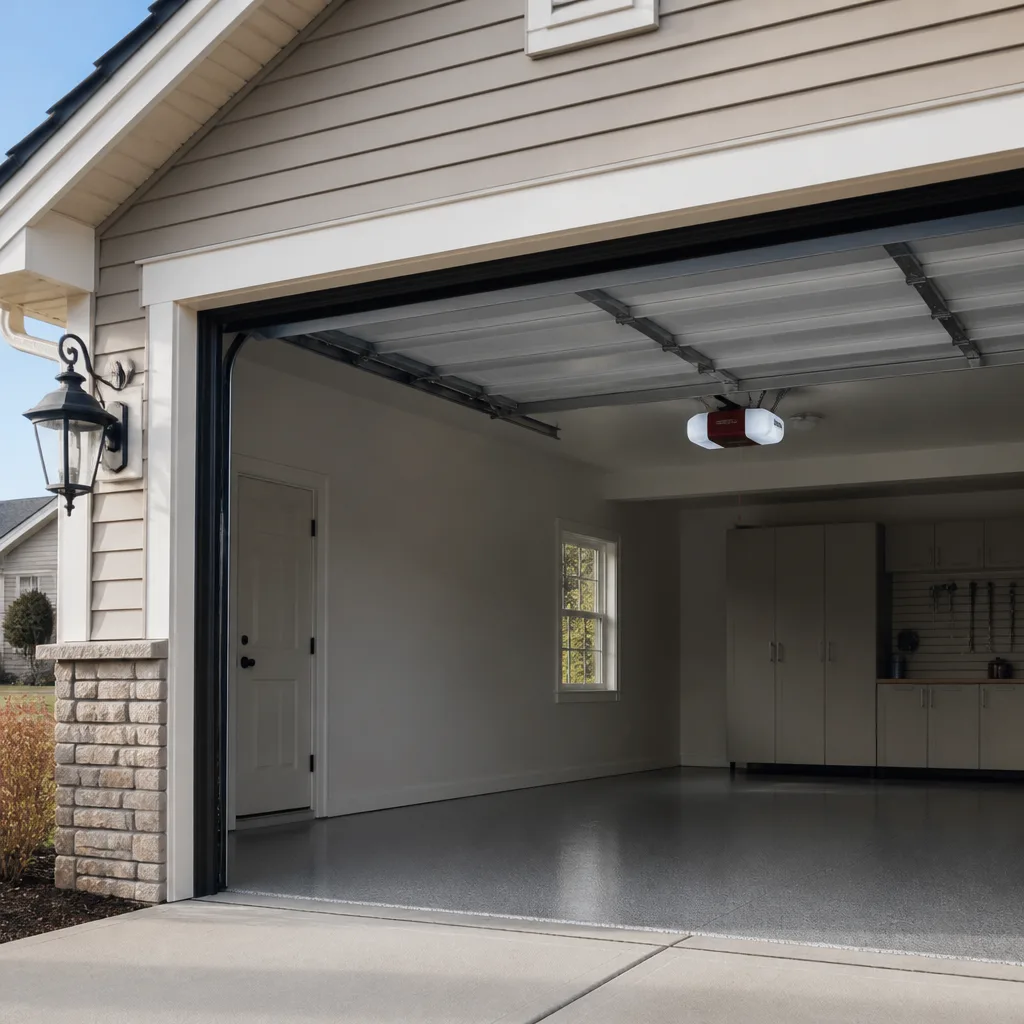 LiftMaster openers
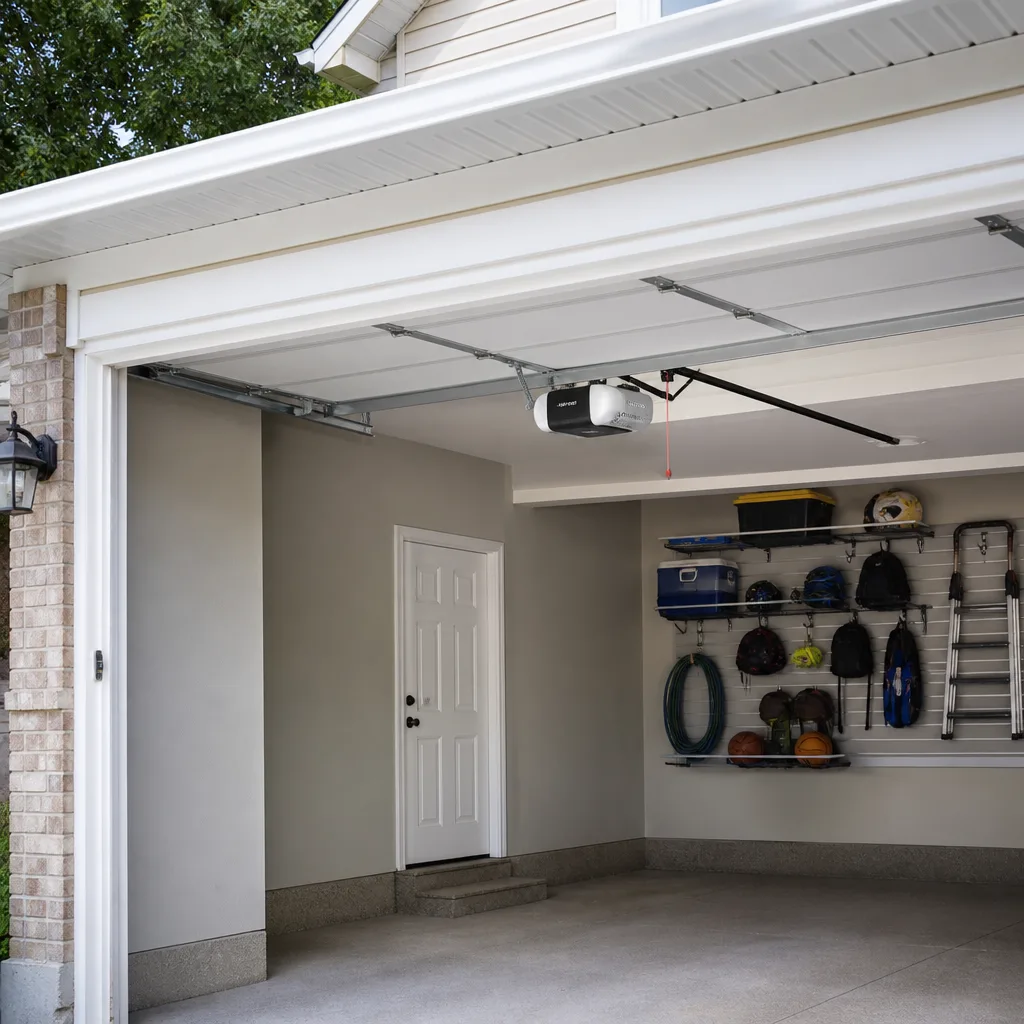 Chamberlain openers
Full 25-point door and opener safety check with every visit - springs, cables, rollers, tracks, and your LiftMaster or Chamberlain opener included
You get a price before we start. It does not change when the truck arrives.
Get your free estimateGarage Door Warning Signs: A Carlsbad Homeowner’s Reference Guide
Most garage doors don’t fail without warning. They telegraph trouble for weeks, sometimes months, before the final breakdown. A spring that snaps on a Tuesday morning in La Costa was likely making a specific grinding noise the previous month. A door that refuses to close on a foggy Carlsbad evening probably showed hesitation on the way up for weeks prior. The problem is that most homeowners don’t know which sounds, movements, and visual cues are normal quirks and which ones mean a component is about to give. This guide teaches you to read your garage door the way a technician does, so you can fix a $40 roller before it becomes a $600 track replacement. For more guides & resources, see our blog. We’ve built this reference from years of working on doors throughout Carlsbad, from Bressi Ranch to Aviara, and we’ve organized it by what you’ll actually hear, see, and feel.
Styles & brands we work with
Quick Answer
The most common garage door warning signs in Carlsbad are grinding or squealing sounds during operation (worn rollers or bearings), a door that hesitates or stutters on the way up (spring tension loss or opener motor strain), visible fraying on the lift cables, rust blooms on springs and hinges (accelerated by coastal salt air), and an opener that reverses for no apparent reason (sensor misalignment or logic board failure). Any grinding noise combined with a door that sits unevenly when closed means the spring system is failing and needs professional attention within days, not weeks. If you’re not sure who to call, read our guide on How to Hire a Garage Door Contractor in Carlsbad: A Step-by-Step Guide.
Table of Contents
- What Different Garage Door Sounds Actually Mean
- Six Visual Checks Every Carlsbad Homeowner Should Do Monthly
- Opener Behavior: Motor Strain vs. Logic Board vs. Sensor Problems
- Carlsbad-Specific Warning Signs: What Salt Air Does to Your Door
- Urgency Triage: Fix This Week, Schedule This Month, or Ignore It
- Spring Failure: The One Warning Sign You Can’t Afford to Miss
- Common Mistakes to Avoid
- When to Call a Professional
- Frequently Asked Questions
- The Bottom Line
What Different Garage Door Sounds Actually Mean
Your garage door talks. Every sound it makes corresponds to a specific component doing something it shouldn’t. Here’s what we hear most often on service calls across Carlsbad, and what each sound points to at the component level.
Squealing or high-pitched screeching: This is almost always a roller problem. Garage door rollers have internal ball bearings, and when those bearings wear out or lose lubrication, the roller drags along the metal track instead of spinning. On a LiftMaster or Chamberlain system, you’ll typically hear this on the curved section of the track first, because that’s where the roller experiences the most lateral force. The fix is usually straightforward: replace the rollers. If it’s caught early, a technician replaces a $15 roller. If ignored, the metal-on-metal grinding wears grooves into the track itself, and now you’re replacing a $200 track section.
Grinding or rumbling during operation: Grinding is different from squealing. Squealing is high-pitched and comes from the track area. Grinding is lower, harsher, and often comes from the center of the door or the opener unit itself. Center-door grinding usually means the torsion spring bearings are shot. Those bearings sit inside the spring assembly above the door and allow the spring to rotate smoothly as the door moves. When they fail, you get a metal-on-metal grind that sounds like a coffee grinder. Opener-unit grinding often points to a stripped gear inside the motor housing, which is common on Genie and older Craftsman units. This is not a lubrication issue. Bearings and gears need replacement.
Popping or snapping during movement: A single loud pop when the door is moving usually means a cable slipped off its drum or a section hinge is binding. A series of smaller pops, especially on a sectional door from Clopay or Amarr, often indicates that the door sections are flexing because the spring tension is uneven. The door is effectively fighting itself as it moves. This is a warning that the spring system is imbalanced, and it usually precedes a full spring failure by weeks.
Rattling or chattering: Rattling is the most common noise we hear on older doors in Carlsbad, and it’s usually the least serious. Loose nuts on the hinges and track brackets cause the door to shake and rattle as it moves. The fix is often a simple tightening pass with a socket wrench. However, if the rattling is accompanied by visible shaking of the door itself, that points to loose track bolts where the track mounts to the wall, which is a structural issue that needs attention before the track pulls away from the framing.
Here’s a breakdown of what each sound means and the component involved:
- Squealing: Worn roller bearings. Track area. Fix now, cheap if caught early.
- Grinding (center of door): Failed torsion spring bearings. Fix within days.
- Grinding (opener unit): Stripped gear or worn motor bushing. Repair or replace opener.
- Popping: Cable slip or spring imbalance. Fix immediately, especially in Carlsbad’s coastal air.
- Rattling: Loose hardware. Fix within a month, monitor weekly.
Six Visual Checks Every Carlsbad Homeowner Should Do Monthly
You don’t need to be a technician to spot trouble. Walk out to your garage once a month and look at six specific things. Each one reveals something specific about the health of your door system.
1. Check the lift cables for fraying. Stand inside the garage with the door closed and look at the two cables that run up the sides of the door. These are under constant tension. If you see any individual wire strands poking out, that cable is days or weeks from snapping. A snapped cable in Carlsbad is dangerous because the door can drop suddenly on one side. This is not a DIY repair. Call a professional if you see fraying.
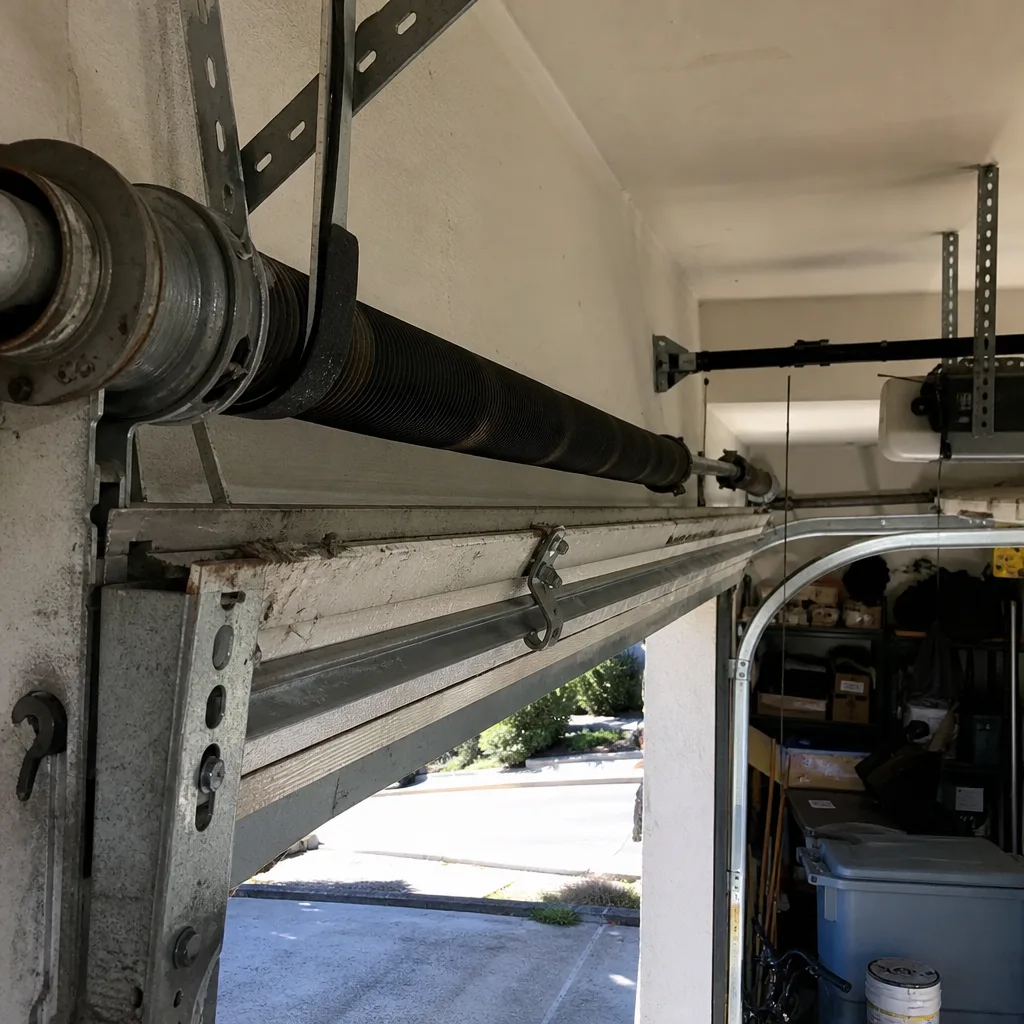
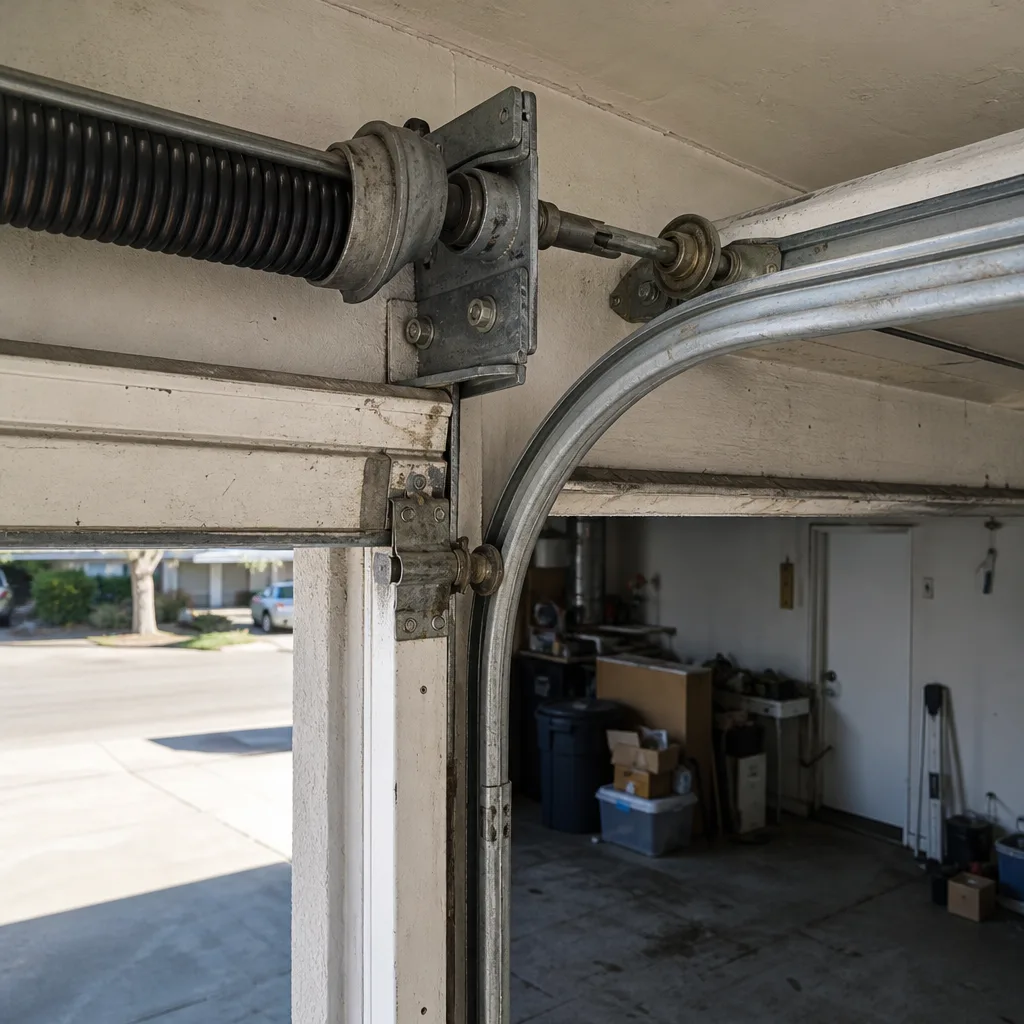
2. Look at the springs above the door. With the door closed, look at the torsion spring assembly above the center of the door. The spring should be a continuous coil with no visible gaps. If you see a gap in the coil, the spring has already broken. If you see rust building up on the surface of an intact spring, that’s a warning that the spring is weakening. Rust weakens the steel, and a rusted spring is far more likely to snap under load.
3. Check the door’s level when closed. Stand outside the closed door and look at the gap between the bottom of the door and the driveway. It should be even across the entire width. If one side sits higher than the other, the spring tension is uneven, or a cable is stretching. This is a sign that the spring system is no longer doing its job evenly.
4. Inspect the rollers. Look at the rollers on the sides of the door while the door is moving. They should spin freely. A roller that’s wobbling, or one that’s dragging along the track, is failing. On doors in Carlsbad’s coastal neighborhoods, we often see rollers that have corroded due to salt air exposure, especially on older doors that were installed before corrosion-resistant rollers became standard.
5. Look at the track alignment. The vertical track on each side should be perfectly straight. If you see a gap between the track and the wall, or if the track looks bent or twisted, that’s a structural problem. A door that’s off-track can bind and cause the opener to work against itself, which shortens the life of the motor.
6. Check the weatherstripping. The rubber seal along the bottom of the door keeps water, debris, and pests out of your garage. In Carlsbad, where fog and marine layer moisture are constant, damaged weatherstripping allows damp air to settle inside the garage, which accelerates rust on the springs and hardware. This is a cheap fix that extends the life of the entire system.
Opener Behavior: Motor Strain vs. Logic Board vs. Sensor Problems
Openers fail in three very different ways, and each one needs a different fix. Knowing which one you’re dealing with saves time and money.
Motor strain: the opener is working too hard. When a garage door opener motor strains, you’ll notice the door moving slower than it used to, or pausing briefly during operation. This happens most often when the door’s spring system has lost tension and the opener is now doing the spring’s job, which it was never designed to do. A LiftMaster or Chamberlain opener is rated to lift a certain weight, and when the spring tension drops, the effective weight on the motor goes up. The fix is rarely the opener itself. The fix is the springs. We’ve seen homeowners replace an opener thinking it was worn out, only to have the same problem return three weeks later because the springs were the actual issue.
Logic board failure: the opener acts erratically. When the logic board in a Genie or LiftMaster opener fails, the door does strange things: it opens when you didn’t press the button, it reverses for no reason, or the lights flicker. Unlike motor strain, logic board problems often show up as inconsistent behavior rather than slow, steady degradation. These boards are susceptible to moisture and power surges. In Carlsbad, homes near the coast experience more humidity in the garage, which shortens the life of logic boards. The fix is either replacing the board or replacing the opener, depending on the age of the unit.
Sensor misalignment: the door won’t close, or reverses immediately. The photo-eye sensors near the bottom of the track are one of the most common causes of “the door won’t close” calls. When the sensors are misaligned, dirty, or disconnected, the opener refuses to close the door as a safety measure. The key diagnostic: if the opener’s lights blink when you try to close it, that’s usually a sensor issue. If the door closes partway and then reverses, that’s a sensor or force-setting issue. In most cases, adjusting the sensor alignment takes five minutes. If the sensors are old and corroded from salt air, replacement may be necessary.
Here’s a simple diagnostic sequence we use on nearly every opener call:
- Observe the door’s speed. Is it slow or hesitant? Think springs, not opener.
- Watch the opener lights. Do they blink when you try to close? Think sensors.
- Test for inconsistent behavior. Does the door work fine sometimes and fail other times? Think logic board.
- Listen for grinding from the opener unit. If you hear it, the gear or motor is the issue.
Garage Door Opener Repair in Carlsbad covers these distinctions in detail, but the short version is that opener problems are not all the same, and treating them as if they are leads to money wasted on the wrong fix.
Carlsbad-Specific Warning Signs: What Salt Air Does to Your Door
Standard garage door guides don’t account for the marine layer. We do, because we work on doors all over Carlsbad, from the beach-adjacent streets in the Village to the newer homes in Robertson Ranch a few miles inland. The difference in corrosion between a door two blocks from the water and a door three miles east is measurable.
Surface rust on springs that isn’t actually surface rust. Everywhere else, light rust on a spring is cosmetic. In Carlsbad, that reddish bloom is the first stage of salt-air corrosion working its way into the steel. The spring continues to function while the rust eats into the metal from the outside, and then it snaps under tension, usually when you’re leaving for work. If you live west of El Camino Real and your springs show any rust, treat it as a warning sign, not a cosmetic issue.
Hinge corrosion in specific patterns. We see a pattern on coastal Carlsbad doors: the bottom hinges, closest to the ground and the fog, corrode first. The top hinges typically stay clean longer. When the bottom hinges rust, they bind as the door rolls through its travel, causing a jerky movement that feels like an opener problem. Most of the time, it’s hinge replacement, and the improvement is immediate.
Sensor failure from salt buildup. Photo-eye sensors have exposed lenses and small electrical connections. In coastal air, salt builds up on the lens, diffusing the infrared beam and causing the door to reverse or refuse to close. A quick wipe with a dry cloth often solves it. But if ignored, salt works its way into the connection points and kills the sensor entirely.
Roller degradation you can’t always see. Nylon rollers with sealed bearings resist salt air reasonably well. Cheap metal rollers don’t. A Carlsbad door with original metal rollers that’s been in service for a decade in a home near the lagoon or the coast has probably been silently degrading for years. The failure mode is usually a seized bearing, which then drags a flat spot onto the roller, which then binds in the track.
The practical takeaway is simple: if your Carlsbad home is west of I-5, check your door hardware twice as often as someone inland would. The marine layer is relentless, and it works on garage door components year-round, even on days when the sun is out.
Urgency Triage: Fix This Week, Schedule This Month, or Ignore It
Not every warning sign needs a same-day call. But some do, and knowing the difference prevents both unnecessary repair bills and preventable breakdowns. Here’s how we categorize what we see.
Category 1: Fix this week.
- Visible fraying on either lift cable
- A gap in the torsion spring coil (the spring has already broken)
- Grinding from the center of the door during operation
- A door that sits visibly uneven when closed
- Any popping sound accompanied by the door jerking during travel
These are all indicators that a tension-bearing component is failing. When a spring or cable fails completely, the results can be dangerous, and the damage to the door and track can multiply the repair cost. In Carlsbad, a broken spring on a Wednesday is far better than a broken spring on a Saturday morning when your car is trapped in the garage and the whole weekend’s plans are gone.
Category 2: Schedule within a month.
- Squealing that’s gotten louder over the past few weeks
- Rattling from loose hardware that you can see moving
- Rust on the springs that hasn’t created visible gaps yet
- A door that’s slightly slow but still operates consistently
- Weatherstripping that’s cracked or pulling away from the door
These are the problems that get worse slowly. They won’t strand you tomorrow, but each week of delay adds wear to adjacent components. A squealing roller that runs for another month will chew up the track, and a $30 roller replacement becomes a $250 track job.
Category 3: Genuinely cosmetic.
- Faded paint or minor surface rust on non-moving parts
- Small dents in a door section with no effect on operation
- Noise that comes and goes without getting louder
- A door that makes a single soft click when opening, with no other symptoms
If it’s in this category, save your money. The test is simple: has the symptom gotten worse in the last 30 days? If no, it’s probably stable and can wait.
Spring Failure: The One Warning Sign You Can’t Afford to Miss
Most garage door failures in Carlsbad start and end with the springs. These are the components that counterbalance the full weight of the door, and when they fail, the door becomes dead weight, or worse, drops suddenly. We’re putting this section on its own because springs deserve more attention than any other single component.
How to know a spring is about to fail, not just rusting: A spring that’s simply rusted has surface discoloration. A spring that’s about to fail often shows a subtle gap in the coil, especially near the center of the spring. The gap may be a fraction of an inch. It means the spring has already begun to separate, and the remaining coils are carrying more load than they were designed for. Other signs include a door that’s suddenly harder to lift manually, or a door that drops several inches when released.
What happens when a spring fails: The sound is distinctive. It sounds like a gunshot in the garage. It’s loud enough that neighbors often hear it. If the door was open when the spring snapped, the door can slam down with enough force to damage the door sections, the track, and anything underneath. If the door was closed, the car is usually trapped in the garage until the spring is replaced.
What to do if your spring breaks: Do not attempt to open the door manually. Do not disconnect the opener and try to lift the door, especially if you have a heavy wooden door or a double-wide door. Do not attempt to replace the spring yourself. Torsion springs are under hundreds of pounds of tension, and the injury risk from a mishandled spring is severe. In our work on Garage Door Repair in Carlsbad, we’ve seen the aftermath of spring failures and of DIY spring attempts. Call a professional who works on these systems every day.
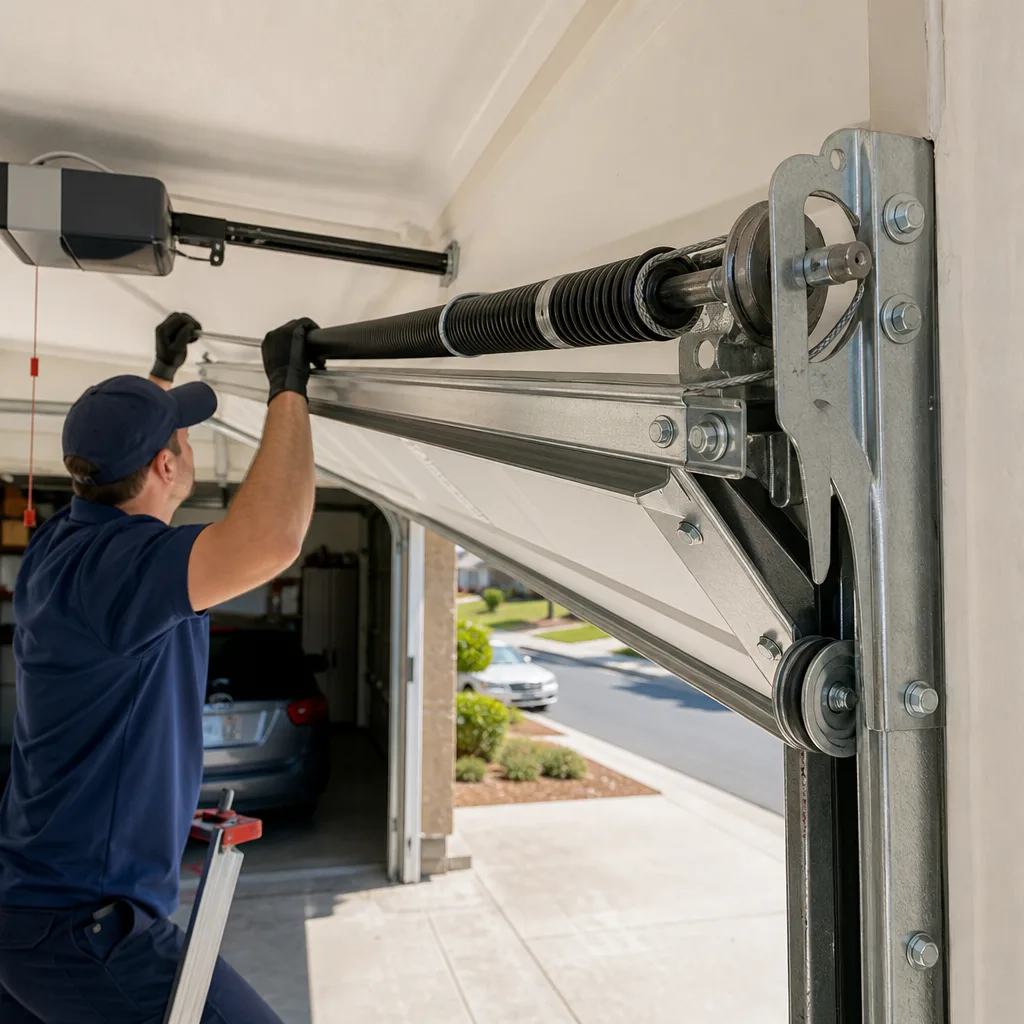
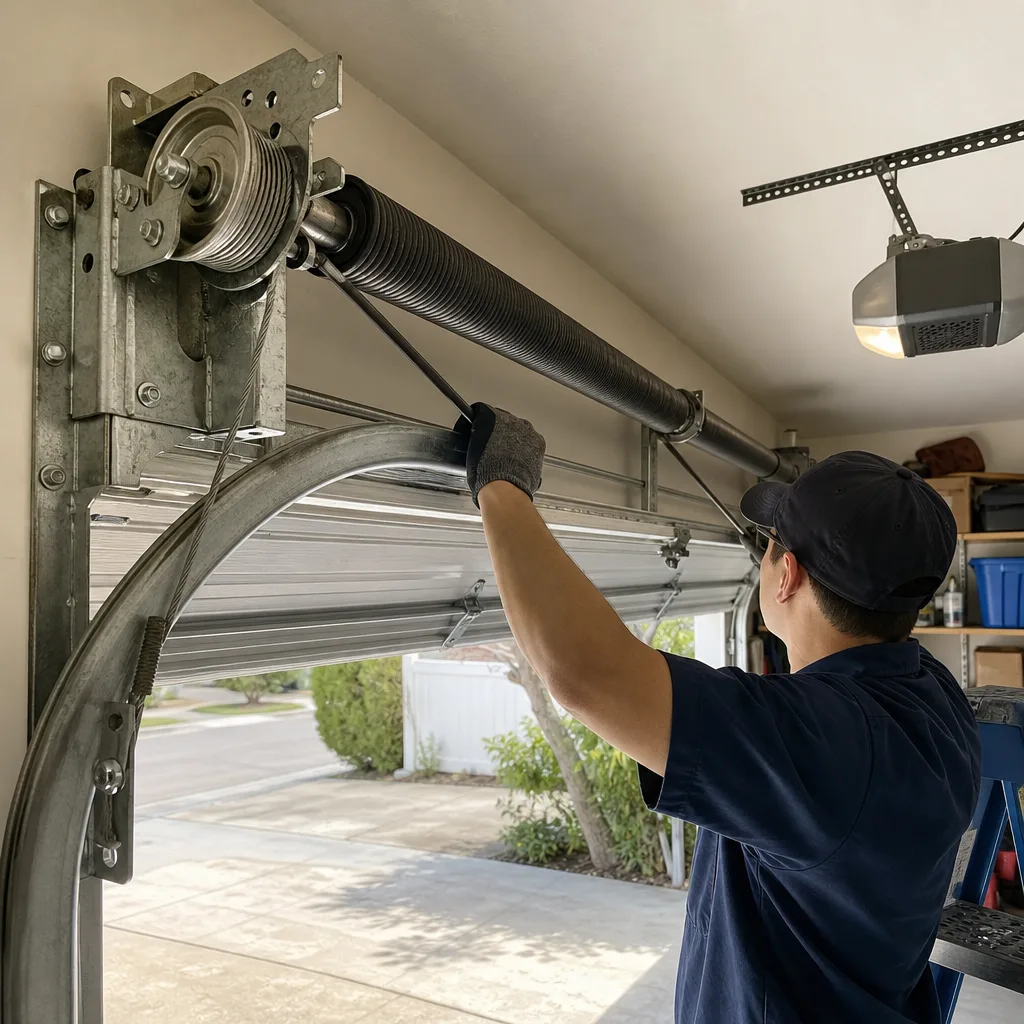
The good news is that spring replacement is one of the more predictable repairs: a new pair of torsion springs, properly installed and balanced, restores the door to smooth operation and usually extends the life of the opener by reducing its workload. Most spring replacements take less than two hours, and at Flagstone, you’ll know the price before any work starts.
Common Mistakes to Avoid
We see these mistakes on service calls throughout Carlsbad, from homeowners who were trying to do the right thing but didn’t have the right information.
- Lubricating a grinding sound. Grinding means metal is touching metal. Lubricating it temporarily quiets the noise while the underlying problem gets worse. If it’s grinding, it’s already beyond lubrication.
- Adjusting the springs yourself. Tension adjustments on torsion springs require special tools and training. A homeowner with a pair of vice grips can cause serious injury or make the door more dangerous than it was before.
- Replacing the opener when the springs are the problem. This is the most expensive mistake we see. The opener was working fine. The springs lost tension. Now the homeowner has a new opener and the same slow door.
- Ignoring rust because “it still works.” In Carlsbad especially, rust on springs and cables is a countdown, not a cosmetic issue. The marine layer means corrosion moves faster than it does inland.
- Not checking the door’s balance after years of use. A properly balanced door opens easily by hand. If you can’t lift the door with one hand (after disconnecting the opener), the springs are failing, and the opener is compensating.
- Waiting until the door completely fails to call. Most failures give 30-90 days of warning. The repair is cheaper and faster when caught early, and you’re not stranded with a car trapped in the garage.
- Using the wrong replacement parts. A spring from a big-box store is not the same as a properly spec’d spring from a garage door supplier. Springs are sized by door weight, height, and cycle life. The wrong spring fails early and can damage the door.
When to Call a Professional
A professional garage door technician should handle any issue involving tension-bearing components: springs, cables, and anything attached to them. These parts are under hundreds of pounds of force, and a mistake can cause serious injury. Beyond the safety issues, a professional brings the diagnostic depth to distinguish between an opener problem and a spring problem, a roller issue and a track issue. We work on doors from Clopay, Amarr, Wayne Dalton, Genie, LiftMaster, and Chamberlain, so the diagnosis is based on what your specific system actually needs, not on what a generalist happens to know. If you’re still deciding on a manufacturer, our Choosing the Right Garage Door Brand: A Buyer’s Guide for Carlsbad breaks down the options. Flagstone Garage Door Repair offers free estimates in Carlsbad – call (877) 626-0784.
Frequently Asked Questions
Roller replacement in Carlsbad typically runs $80 to $180 depending on how many rollers need replacement and whether the track has been damaged. If the squeal is from the spring bearings, expect $150 to $250 for bearing replacement plus a spring inspection. Call (877) 626-0784 for an exact quote. Estimates are free.
Some things are safe to address yourself, like cleaning photo-eye sensor lenses, tightening visible bolts, and replacing weatherstripping. Anything involving springs, cables, or track alignment should be left to a professional, because these components carry tension that can cause serious injury if mishandled.
Monthly visual checks are ideal for Carlsbad homes, especially if you’re west of I-5. The salt air accelerates corrosion, and catching rust on springs or hinges early prevents larger failures. The check takes five minutes: look at the cables, springs, rollers, track, and weatherstripping.
Hesitation during opening almost always means the spring tension is dropping and the opener motor is now straining against a heavier effective load. The opener isn’t the problem this time. The springs are. In some cases, a worn gear inside the opener can cause hesitation, but the spring system is the first thing to check in coastal Carlsbad, where corrosion accelerates spring wear.
At Flagstone Garage Door Repair, the price is quoted and agreed before any work starts. What we quote is what you’ll pay. If we find additional issues during the repair, we’ll show you what we’re seeing and get your approval before adding anything to the job. That’s how we work, and it’s the only honest way to do it.
Almost certainly yes. Flagstone is certified to service LiftMaster, Chamberlain, Genie, and Clopay openers and doors, along with Amarr, Wayne Dalton, Craftsman, and Raynor. Whatever brand is already installed in your Carlsbad home, we know it. For a wider look at what we do, see Garage Door Installation in Carlsbad or start from the Flagstone Garage Door Repair home page.
The Bottom Line
Garage doors fail on a schedule, and the schedule is written in sounds, movements, and rust. A door that squeals, hesitates, or sits unevenly is not long for this world. In Carlsbad, the marine layer compresses that timeline, turning minor corrosion into structural failure faster than it happens inland. Do the monthly checks, learn the difference between a roller problem and a spring problem, and call early when the warning signs first appear. The repair is cheaper, the damage is smaller, and your car stays ready to go. Whether it’s a $40 roller or a full spring replacement, catching it early beats catching it at 7 a.m. on the day of an important meeting. If any of these warning signs sound familiar, Garage Door Repair in Carlsbad is one call away.
Written by the team at Flagstone Garage Door Repair, serving Carlsbad since 2014.
See the difference
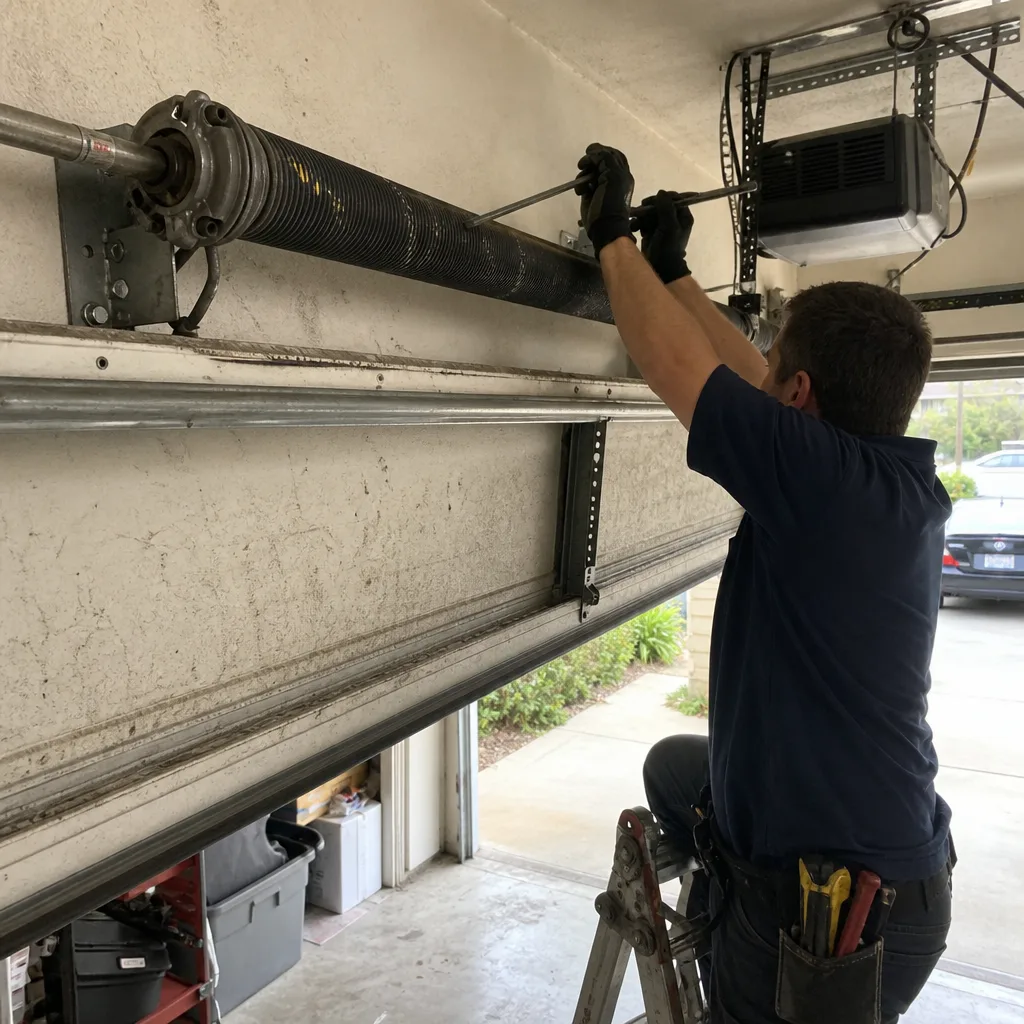 Before
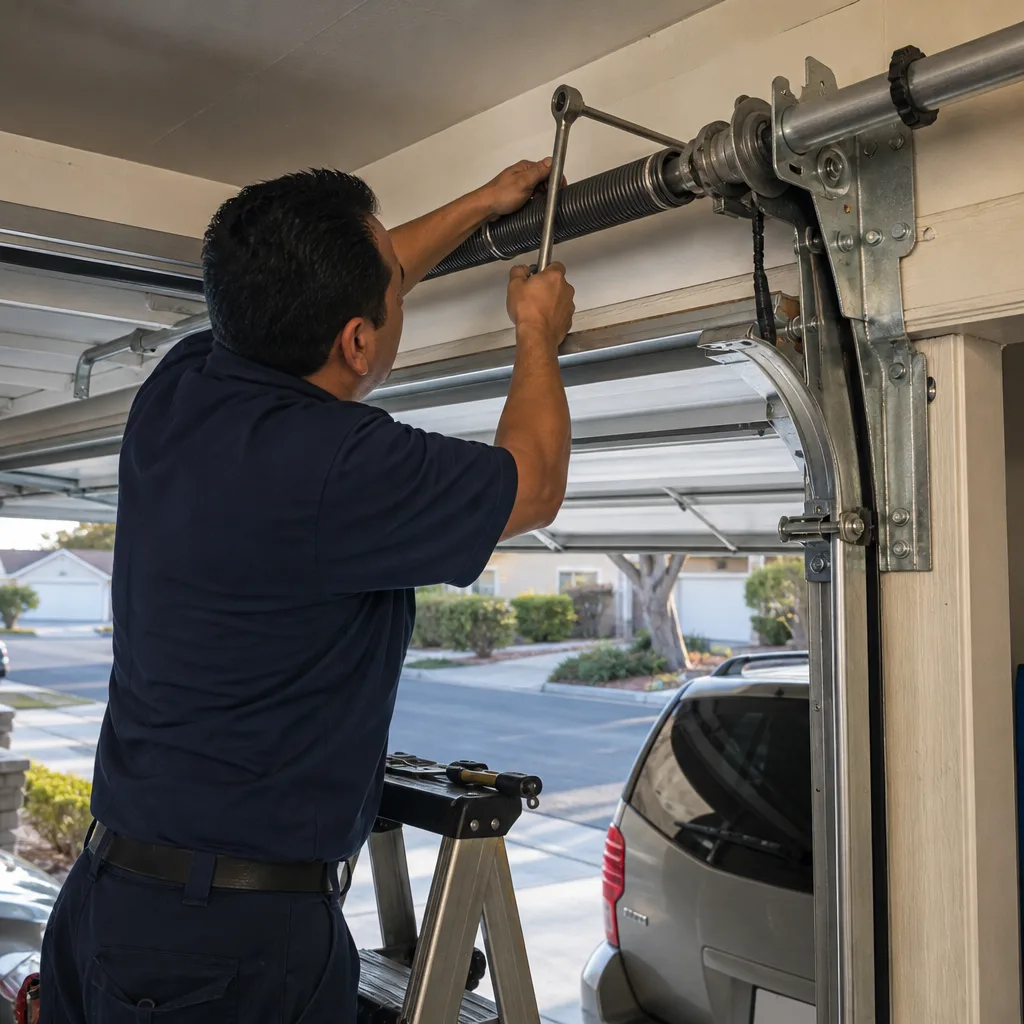 After
 Before
 After
 Before
 After