
Last updated October 30, 2026
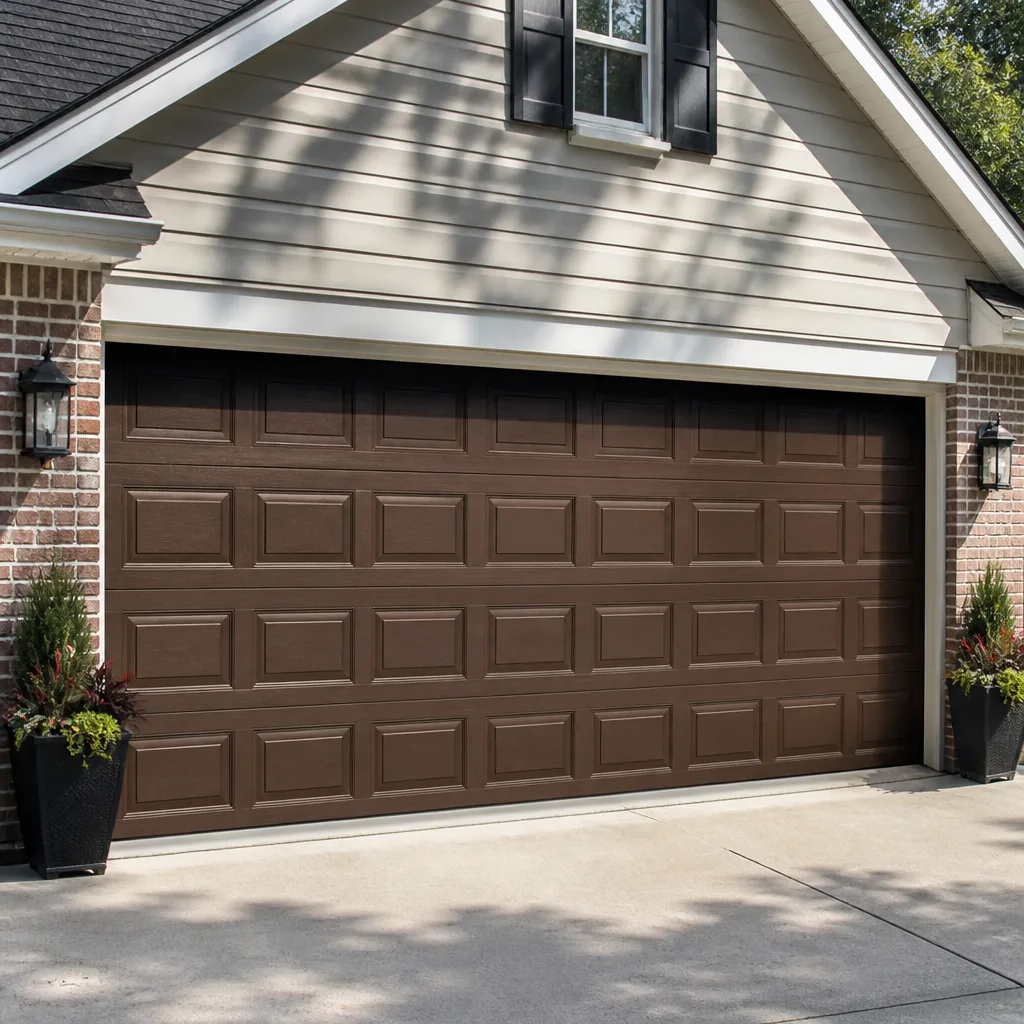 Raised-panel steel
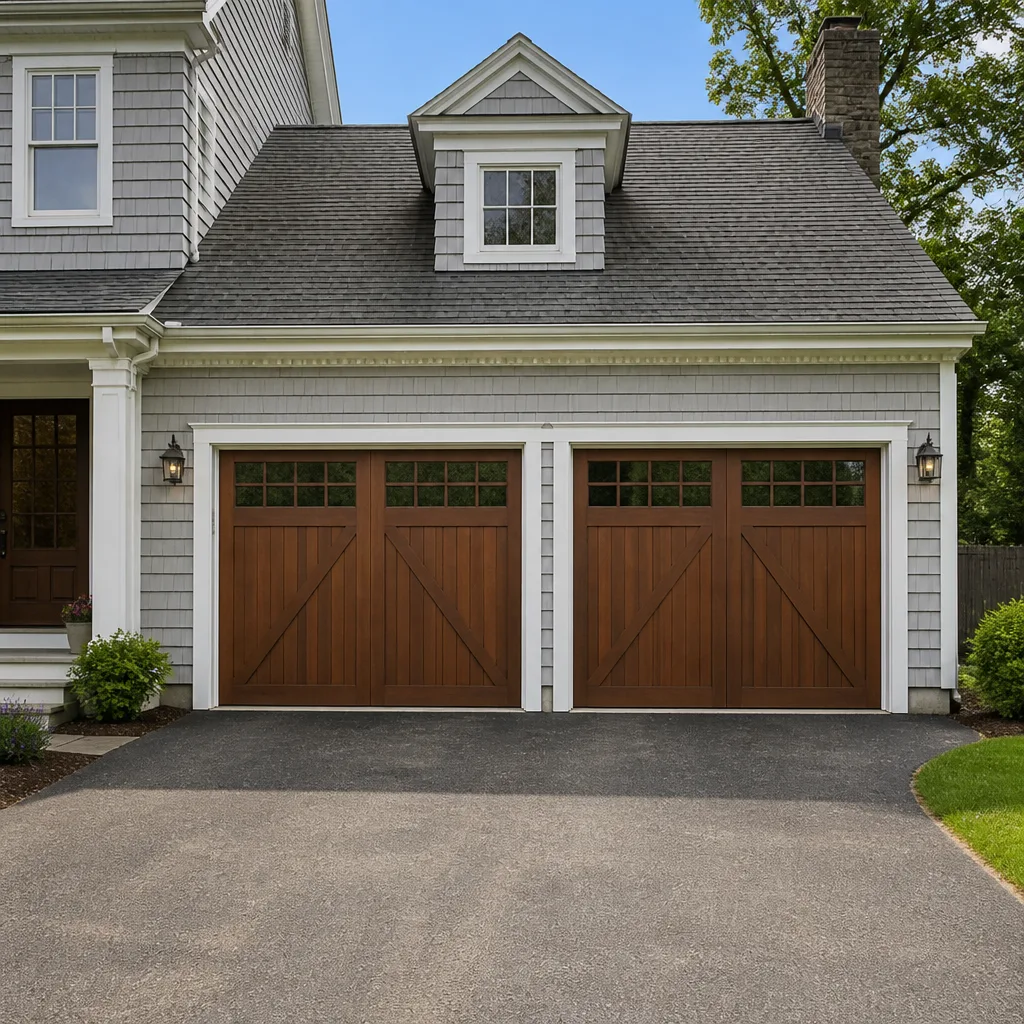 Carriage house
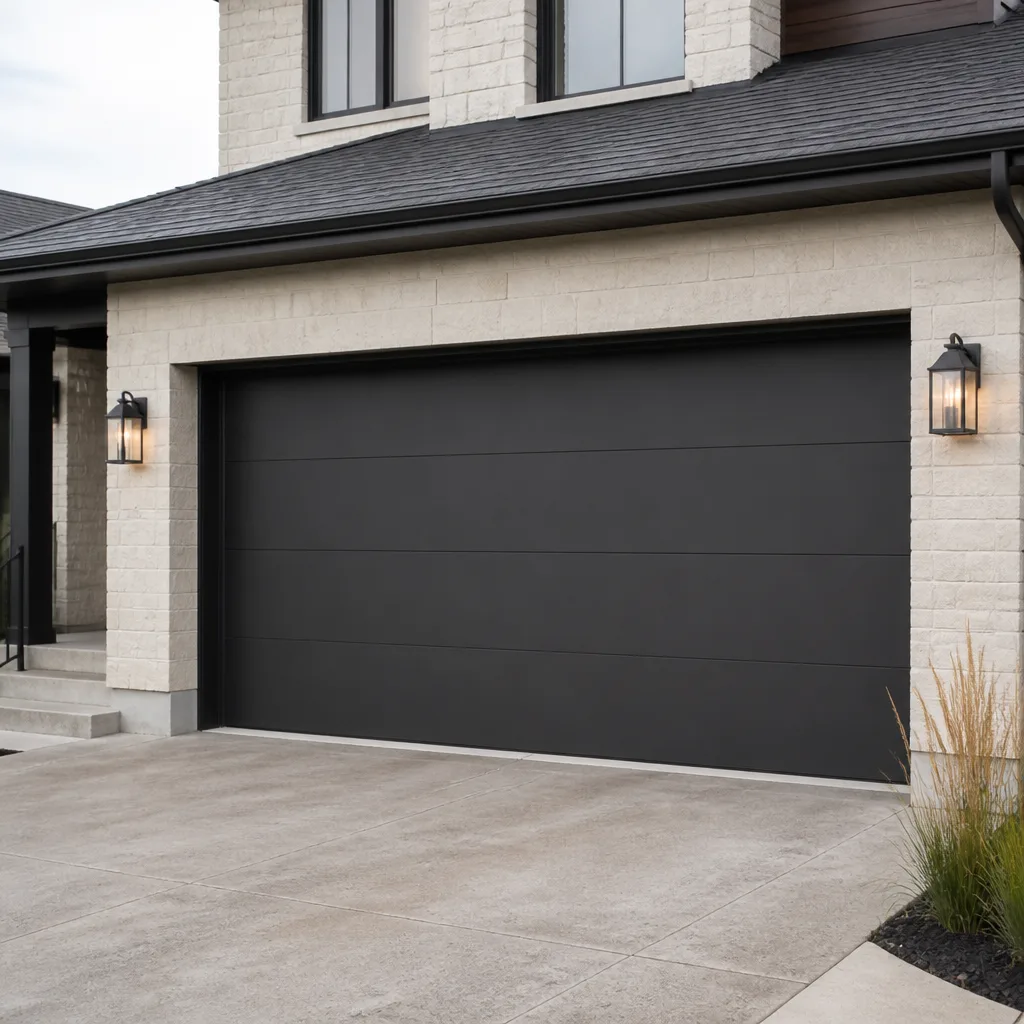 Modern flush
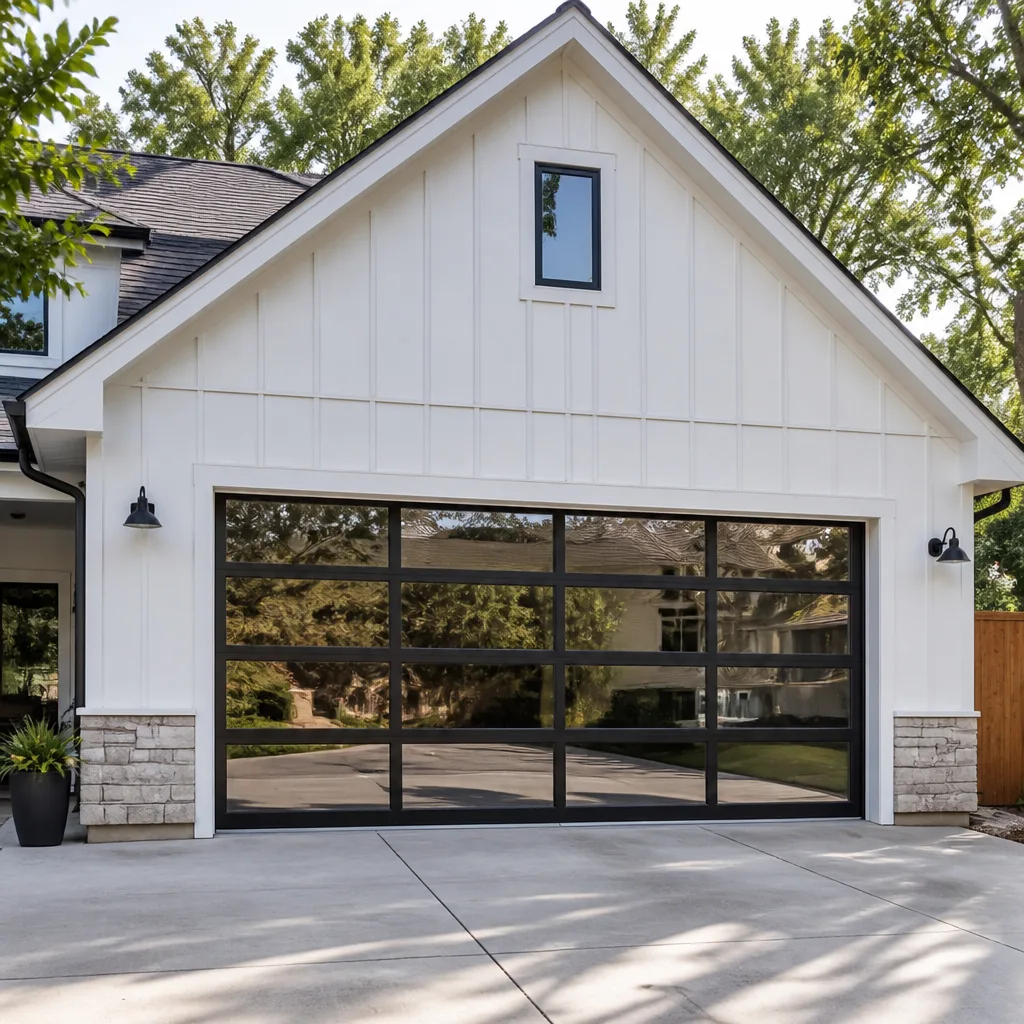 Full-view glass
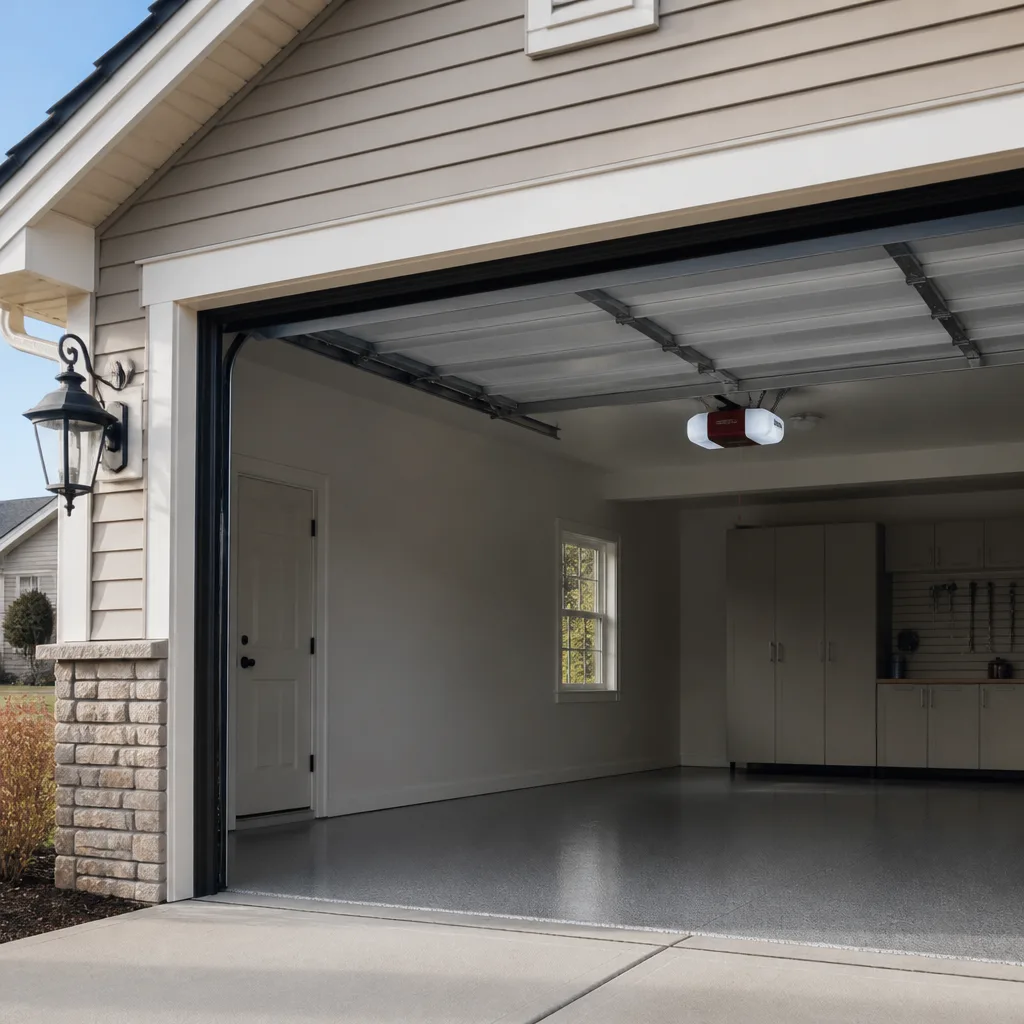 LiftMaster openers
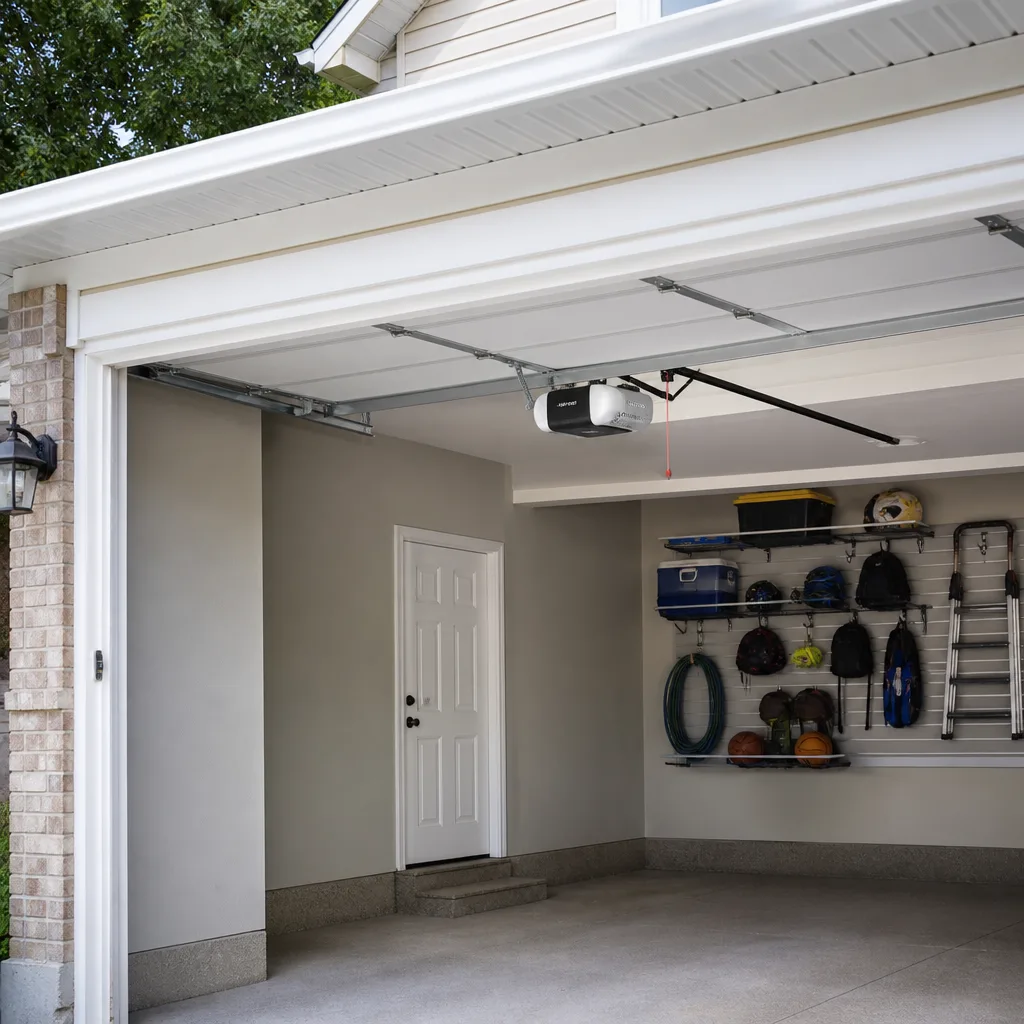 Chamberlain openers
Full 25-point door and opener safety check with every visit - springs, cables, rollers, tracks, and your LiftMaster or Chamberlain opener included
You get a price before we start. It does not change when the truck arrives.
Get your free estimateSeasonal Garage Door Care for Carlsbad: Year-Round Homeowner’s Guide
Carlsbad’s “mild climate” is one of the most damaging environments for garage door hardware in Southern California, not despite the weather but because of the specific combination of UV, salt air, and temperature swings that happen here year-round. Most national seasonal guides tell you to winterize in October and prep for spring in March, advice written for Minnesota or Ohio that falls completely flat three miles from the ocean. In Carlsbad, your garage door doesn’t face frozen tracks and road salt. It faces something sneakier: a marine layer that leaves metal wet for 12 hours a day in early summer, Santa Ana winds that push panels sideways in the fall, and west-facing sun exposure that can delaminate a door finish in five years. This guide covers what actually happens to garage doors in Carlsbad, organized around the four distinct stress periods we’ve observed in this specific coastal microclimate, plus what to do about each one.
Quick Answer
Seasonal garage door care in Carlsbad means adjusting your maintenance focus four times a year: rust prevention during the May-July marine layer, track and hinge checks during the August-October Santa Ana winds, seal and moisture control during the November-February rain months, and a full annual service in March-April when the weather is dry enough for deep cleaning and lubrication. Each season targets different components, and skipping any single one noticeably shortens door and opener life in this climate; for a deeper look at what each season involves, see our Complete Garage Door Repair Guide for Carlsbad Homeowners.
Styles & brands we work with
Table of Contents
- May – July (Marine Layer Season): Rust Prevention and Humidity Control
- August – October (Santa Ana Season): Wind Load and Track Alignment
- November – February (Rain Season): Seals, Water Intrusion, and Opener Longevity
- March – April (Transition): The Annual Full Service That Resets Everything
- The Year-Round UV Factor: What Fades, What Delaminates, and What to Do
- Common Mistakes to Avoid
- When to Call a Professional
- Frequently Asked Questions
- The Bottom Line
May – July (Marine Layer Season): Rust Prevention and Humidity Control
What’s Actually Happening to Your Door
From late May through mid-July, Carlsbad gets the June Gloom: a marine layer that rolls in overnight and burns off by late morning. For your garage door, that means every metal component, springs, hinges, rollers, track brackets, and the opener rail, sits coated in condensation for 8 to 12 hours daily while temperatures hover in the 60s. This is the rust acceleration window. In our experience, we see more spring surface rust begin in June and July than during the rain months, because rain dries off in a day. The marine layer repeats the wet-dry cycle every 24 hours for six weeks straight. That repetition is what breaks down protective coatings and starts pitting on unprotected steel.
What to Check in May or Early June
- Inspect torsion springs for surface rust. Look at the coils above the door opening. Light orange dusting is early stage and treatable. Deep pitting or flaking means the spring is compromised and likely near the end of its service life. Do not attempt to remove rust with abrasives if the spring shows any pitting; rusted springs fail suddenly and dangerously. This is a professional inspection and replacement task.
- Wipe down exposed metal with a dry microfiber cloth. Rolling steel panels, track faces, and hinge plates all benefit from a quick wipe on a dry June morning. Removing the daily condensation film prevents the wet-dry cycle from doing its worst work.
- Check roller wheels for stiffness. Nylon rollers with sealed bearings tolerate humidity well. Metal rollers without bearings are rust magnets. If you hear a grinding or squeaking sound when the door moves, a roller is likely rusted to its stem.
- Test the opener’s auto-reverse sensors. Humidity can cause condensation inside the sensor housing. If the door reverses for no reason, or the sensor lights flicker, moisture is likely the cause. Dry the lenses and check the wiring connections.
Why Timing Matters Here
Most homeowners ignore their garage door in May and June because everything still works. That’s the trick of the marine layer: damage accumulates silently. By the time you notice a squeak or binding in August, the rust has been setting up for two months. Spending 15 minutes in early June can save you a spring replacement in December, when jobs cost more and technicians are busier with rain-related calls.
August – October (Santa Ana Season): Wind Load and Track Alignment
The Wind Problem Nobody Thinks About
Santa Ana winds hit Carlsbad most often between late August and October. These dry, gusty northeast winds routinely reach 30 to 40 mph, with stronger gusts in canyons and foothill-adjacent areas like La Costa and Bressi Ranch. What does wind do to a garage door? It pushes against the entire panel surface. A 16-foot double door has roughly 112 square feet of surface area. A 40 mph gust applies hundreds of pounds of lateral force against that panel. The door is engineered for some of that, but sustained gusting over hours creates a repetitive flexing action that slowly works track brackets loose and shifts door sections out of alignment.
Signs Wind Has Already Done Damage
- You hear a rattling sound when the door is closed during gusts. That’s track bracket bolts that have loosened.
- The door suddenly binds or slows at one specific point in its travel. That’s a misaligned section or a slightly bent track.
- You see daylight on one side of the door but not the other. The panel has shifted off-center relative to the opening.
- The opener sounds strained on the way up, but only in the morning. Temperature changes affect track friction, and a marginal alignment issue shows up more when metal is cool.
The October Pre-Wind Inspection
- Visually inspect both vertical tracks. They should be plumb and evenly spaced from the door edge on both sides. Use a tape measure at top, middle, and bottom. More than ¼ inch variation means a bracket has moved.
- Tighten track bracket bolts. Use a socket wrench to snug the lag screws that hold the track brackets to the wall framing. Do not overtighten; you can split the framing lumber.
- Check the top panel for bowing. Stand inside the garage, door closed, and look across the top section. Wind pressure bows the top panel first. A visible outward curve means the strut reinforcement is insufficient or has come loose.
- Test the balance. Pull the manual release cord and lift the door by hand to waist height. It should stay in place. If it drops or climbs, the springs are out of adjustment or worn. This is a professional service call, not a DIY adjustment.
If You Live in a High-Wind Exposure Area
Homes in Calavera Hills, La Costa Oaks, and the ridge communities east of El Camino Real take noticeably more wind than homes closer to the coast near the Village or along the 101. We’ve seen doors in La Costa with wind-strut reinforcement that wasn’t needed on identical doors two miles west. If your garage faces east or northeast, toward the Santa Ana path, consider having a professional install additional strut bracing on the top two sections before the October gust season. The cost is modest compared to a buckled panel replacement.
November – February (Rain Season): Seals, Water Intrusion, and Opener Longevity
Carlsbad Rain Is Light, But Persistent
Carlsbad averages about 12 inches of rain annually, but nearly all of it falls between November and February. That’s a critical distinction: the rain season is compressed, and a single atmospheric river event can drop several inches in 48 hours. Your garage door bottom seal, the rubber strip along the bottom panel, is the only barrier between your garage floor and that water. Most Carlsbad homeowners replace this seal every two to three years because coastal UV exposure hardens the rubber even before rain arrives. Once it’s stiff, it doesn’t flex to follow floor irregularities, and water comes in at the low spots.
The Bottom Seal Check (November, Before the First Big Storm)
- Close the door and inspect from inside the garage. Look for daylight under the bottom edge. Any visible light means water will enter.
- Run your hand along the seal, feeling for flat spots, cracks, or areas where the rubber has pulled away from the retainer track.
- Spray a light mist of water along the bottom edge from outside and watch for drips inside.
- If the seal is stiff, cracked, or no longer fills the gap evenly, replace it now, not during a storm. The part is inexpensive and installation is quick, but online tutorials that show DIY replacement rarely mention that the old seal has to come out of a retainer channel that may itself be damaged; a technician can replace both the seal and the aluminum retainer if needed.
Water in the Garage Shortens Opener Motor Life
Most homeowners don’t connect rain season with opener reliability, but they’re directly linked. When water pools on the garage floor and humidity inside the garage rises, the opener’s circuit board absorbs moisture. Motor housings are sealed, but the control board is not fully waterproof. Condensation forms inside the housing during the cool nights that follow winter rain. Over time, this leads to corroded solder joints and flaky logic board behavior: the opener works intermittently, you have to hit the remote multiple times, or the unit stops responding and needs a power cycle. If your opener is a LiftMaster or Chamberlain model, the logic board is the most common moisture-related failure point. If it’s a Genie unit, pay attention to the wall console contacts, which corrode more readily in sustained humidity. These repairs are generally more cost-effective than full unit replacement, but only if the damage is caught before the board shorts completely.
Other Rain-Season Items
- Side weatherstripping: The vertical strips on the left and right jambs keep wind-driven rain out. Check for cracks and gaps, especially at the bottom corners where water collects.
- Garage floor slope: Carlsbad garages built to older codes often slope slightly toward the house, not toward the driveway. If water pools in the center of your garage floor after rain, the bottom seal alone won’t solve the problem. You may need a threshold seal installed just inside the door.
- Opener safety sensor lenses: Road spray and rain splash can leave a film on the sensors. Wipe them clean after every heavy rain to prevent false reversals.
March – April (Transition): The Annual Full Service That Resets Everything
Why Spring, Not Fall, for Coastal Southern California
The conventional advice says to schedule your annual garage door service in fall, before winter, but our Complete Guide to Garage Door in Carlsbad explains why that timing doesn’t work here. That makes sense in places where winter brings freezing and heavy snow. In Carlsbad, the opposite is true. By March, your door has just survived six months of marine layer humidity, Santa Ana wind stress, and rain season moisture. The accumulated damage, rust, misalignment, degraded seals, and corroded electrical contacts, is at its worst in early spring. Fall servicing would means cleaning and adjusting a door that survived the mildest part of the Carlsbad year, then leaving it to deteriorate through the worst. Spring service resets the system right after the most damage has been done, and positions it well for the next marine layer cycle.
The Complete Annual Service Checklist
- Full hardware inspection and tightening: Every hinge, bracket, roller, and fastener checked for wear, corrosion, and proper torque.
- Spring and cable evaluation: Torsion spring balance checked, cables inspected for fraying, and spring coating condition assessed. Spring replacement is recommended when balance drops outside safe parameters, not when it breaks. Waiting for breakage is the most expensive way to manage springs, because a broken spring usually damages something else on the way down.
- Track alignment and lubrication: Tracks confirmed straight and parallel, then rollers, hinges, and bearing plates lubricated with a garage-door specific lubricant. Do not use WD-40 on garage door components; it’s a solvent that strips existing lubrication and leaves metal dry.
- Opener system check: Force and limit adjustments verified, safety reversal tested with a physical obstruction, sensors aligned, remote and wall console signal strength checked.
- Seal replacement if needed: Bottom seal, side seals, and top jamb seal inspected and replaced if showing UV hardening or cracking.
- Panel and finish inspection: Surface examined for dents, scratches through the paint, or early signs of delamination on fiberglass or composite panels.
What the Annual Service Costs in Carlsbad
A professional full-service visit in Carlsbad typically runs $120 to $200, depending on the number of doors and what needs adjustment. Parts like seals and rollers are additional if replacement is needed. Some companies discount the service fee when you proceed with a repair found during the inspection. Get a written price before any work starts, and ask whether the service includes cleaning of the tracks and rollers or just inspection and lubrication. The difference matters.
The Year-Round UV Factor: What Fades, What Delaminates, and What to Do
West- and South-Facing Garages Take a Beating
Carlsbad gets 263 sunny days a year, and the sun angle here is higher than in most of the country. If your garage door faces west or south, the panel surface receives direct afternoon UV for hours every day, year-round. We’ve seen doors in coastal Carlsbad neighborhoods where the west-facing side of the house shows a visible difference in door condition compared to the north- or east-facing doors on the same block, and not just fading. The heat load on a dark-colored steel door in a west-facing Carlsbad garage can push panel surface temperatures over 150 degrees in August, which accelerates paint oxidation and makes the panel expand and contract against its frame every single day.
Which Doors Fade and Fail Fastest
- Dark-colored steel doors: Show fading first, especially deep reds, dark blues, and blacks. UV breaks down the pigment over 4 to 6 years of full south or west exposure. The fade is most visible under the top edge of the door and along the lower panels that get direct sun earlier and later in the day.
- Fiberglass doors with gel-coat finishes: Can develop chalky surface oxidation within 3 years on west-facing exposures. Worse, older fiberglass doors built with polyester resin can delaminate, where the outer layer separates from the core, creating bubbles and cracks that can’t be repaired.
- Composite doors from brands like Raynor: Hold up better than fiberglass but still show surface wear after extended direct sun, especially in lighter colors where the texture gets chalky.
- Wood doors: Rare in modern Carlsbad construction but still present in older La Costa and South Carlsbad homes. They require repainting every 2 to 3 years with a high-quality exterior paint, plus regular inspection for rot at the panel bottoms where irrigation overspray and rain keep wood damp.
What Homeowners Can Do
- Wash the door twice a year. Use mild dish soap and water, never a pressure washer (it forces water past seals and strips paint). A simple hand wash removes the salt and UV-damaged surface film that accelerates oxidation.
- Apply an automotive-grade polymer sealant to steel doors once a year. This protects the clear coat and extends finish life by several years on south- and west-facing panels.
- Consider a lighter door color if you’re replacing a heavily exposed door. White and light gray doors reflect more heat, stay cooler, and show fading far less than dark finishes. This is a real installation consideration, not just an aesthetic call.
- Inspect for early delamination on fiberglass and composite doors every spring. Catching the first small bubble or crack means you can still qualify for a warranty replacement with some manufacturers. Waiting until the panel is visibly separated usually voids the claim.
Common Mistakes to Avoid
- Lubricating instead of fixing a noisy door. If your door is grinding or squealing, adding lubricant without finding the cause is like putting a bandage on a cut that needs stitches. The noise usually comes from a worn roller bearing, a misaligned track, or a failing spring. Lubricant may quiet it for a week, but the underlying problem keeps getting worse while you ignore it.
- Waiting for the spring to break before replacing it. Torsion springs have a predictable service life, typically 10,000 cycles (a full open-close sequence), which translates to about 7 to 10 years for most Carlsbad homeowners. When the spring breaks, the door drops, and the sudden load can bend tracks, crack panels, and damage the opener carriage. Replacing the spring on a schedule, or at the first sign of imbalance, is far cheaper than replacing everything else after the failure.
- Using household spray lubricant on rollers and hinges. WD-40 and similar products are solvents, not lubricants. They strip away the grease that was already there. Use a garage-door specific silicone or lithium-based lubricant only. Better yet, leave lubrication to a technician who knows which components take oil, which take grease, and which should stay dry.
- Ignoring the bottom seal until water is actually coming in. By the time you see water on the garage floor, the seal has been dead for months. The seal is a wear item, like tires or belts. In Carlsbad’s UV environment, inspect it every spring and replace it at the first sign of stiffness or cracking, not after a storm.
- Attempting to adjust or replace torsion springs as a DIY project. Torsion springs are under hundreds of pounds of tension. A slip with a winding bar can cause serious injury or death. This is the one garage door repair that no responsible professional will ever encourage a homeowner to attempt. Hire a trained technician and verify that they carry proper insurance.
- Retuning or adjusting the opener sensitivity to mask a problem. If the opener reverses for no reason, or the door hesitates at one point in its travel, the opener settings are telling you something is wrong with the system. Increasing the force setting to push through the resistance just converts a mechanical problem into damage to the opener, the door, or both.
- Assuming a “maintenance-free” door actually requires no maintenance. Some manufacturers market doors as maintenance-free, and the claim is technically true for the panel surface in certain finishes. It is not true for the springs, cables, rollers, hinges, opener, and seals that make the door work. The hardware always needs attention, and in Carlsbad’s specific climate, it needs attention more often than most manufacturers assume.
When to Call a Professional
Some garage door work is safe and sensible for a homeowner: cleaning, visual inspection, simple tightening of accessible bolts, and checking the seal condition. Other work is genuinely dangerous and belongs with a trained technician. You need a professional if your torsion spring is visibly rusty, shows a gap in the coils, or the door is out of balance. You need one if the cables are frayed or have come off the drum. You need one if a repair requires releasing spring tension, because that’s when the stored energy is most dangerous. And you need one if the opener is behaving erratically in ways that suggest a failing logic board or motor, because opening the unit voids the warranty on most models. Garage Door Repair in Carlsbad covers the door and all its hardware, including spring replacement, track repair, and panel fixes. If the door itself is fine but the opener won’t respond, Garage Door Opener Repair in Carlsbad deals with the drive unit, circuit board, and sensor systems. Flagstone Garage Door Repair offers free estimates in Carlsbad, call (877) 626-0784 to schedule a visit.
Frequently Asked Questions
A full professional service once per year, in March or April, is the right cadence for Carlsbad’s coastal climate, with homeowner-level inspections before each of the four seasonal shifts: a rust check in May, a track check in September, a seal check in November, and a general cleaning anytime the door looks dirty. The annual spring service resets everything after the hardest six months of the year.
The marine layer, not rain, is the primary rust driver in Carlsbad. From late May through July, the June Gloom keeps metal covered in condensation for half the day, every day, for six weeks. That repeated wet-dry cycle does more corrosion damage than a single rainstorm because the exposure is constant. Protecting metal surfaces and checking springs for surface rust in early summer is more important here than during the rainy months.
You can replace a simple slide-in bottom seal yourself if the old one pulls out easily and the retainer is undamaged. If the seal is glued in place, the retainer is corroded, or the seal type is uncommon on older doors, it’s better to have a professional do it. The most common DIY failure is cutting the seal too short, which creates a gap at one corner that lets in exactly the water the seal was meant to stop.
Steel doors from brands like Clopay and Amarr hold up well if the paint finish is factory-applied and the door is washed and sealed annually; for help selecting the best option, read our Choosing the Right Garage Door Brand: A Buyer’s Guide for Carlsbad. Fiberglass doors have historically struggled with UV chalking in Carlsbad, and composite doors from Raynor generally offer better sun resistance than older fiberglass construction. For openers, LiftMaster, Chamberlain, and Genie all operate well in coastal humidity if the logic board is protected from standing water and the sensors are kept clean.
Yes, because the most expensive garage door failures in Carlsbad, spring breakage, cable failure, and logic board burnout, all start with changes that are invisible to an untrained eye. A professional inspection includes balance testing, cable inspection, and torque verification that a visual once-over cannot provide. Most Carlsbad homeowners who schedule an annual service end up catching a small issue before it becomes a major repair, which more than pays for the visit over the life of the door.
First, do not try to open or close the door if you see visible panel damage or if the door appears misaligned in the opening. Operating a damaged door can strip gears in the opener and make a bent section worse. Pull the manual release only if you need to secure the garage, and even then, lift the door carefully by hand. Then call a professional for an assessment. Wind damage often means a bent strut or track that’s not structurally dangerous but will destroy the door over time if left unfixed. Flagstone Garage Door Repair home offers full-system assessments after wind events and can tell you whether repair or Garage Door Installation in Carlsbad makes more sense for your specific situation.
The Bottom Line
Carlsbad garage doors don’t need the same maintenance as garage doors in Denver or Chicago, but they need just as much attention, aimed at different threats. The marine layer rusts metal, Santa Ana winds misalign tracks, winter rain tests your seals and your opener’s electronics, and the year-round sun breaks down finishes on west- and south-facing doors. A homeowner who spends 20 minutes four times a year checking the right things, and schedules one professional spring service, will get years more life from their door and opener than someone who ignores the system until it breaks. The best time to start is now, regardless of season. Walk out to your garage today, close the door, and look for daylight under the bottom edge. That one check tells you more about your door’s condition than most national guides ever will.
Contact Flagstone Garage Door Repair
If you’re in Carlsbad and your garage door needs seasonal service, a repair, or a full replacement, call Flagstone Garage Door Repair at (877) 626-0784 for a free estimate. Our technicians work on all major brands, including LiftMaster, Chamberlain, Genie, Clopay, Amarr, Wayne Dalton, Craftsman, and Raynor, so whatever you have installed, we know the system. We’ll inspect the door, tell you honestly whether repair or replacement makes sense, and quote the price before any work starts. One call, one specialist, and the job is done right.
Written by the team at Flagstone Garage Door Repair, serving Carlsbad since 2014.
See the difference
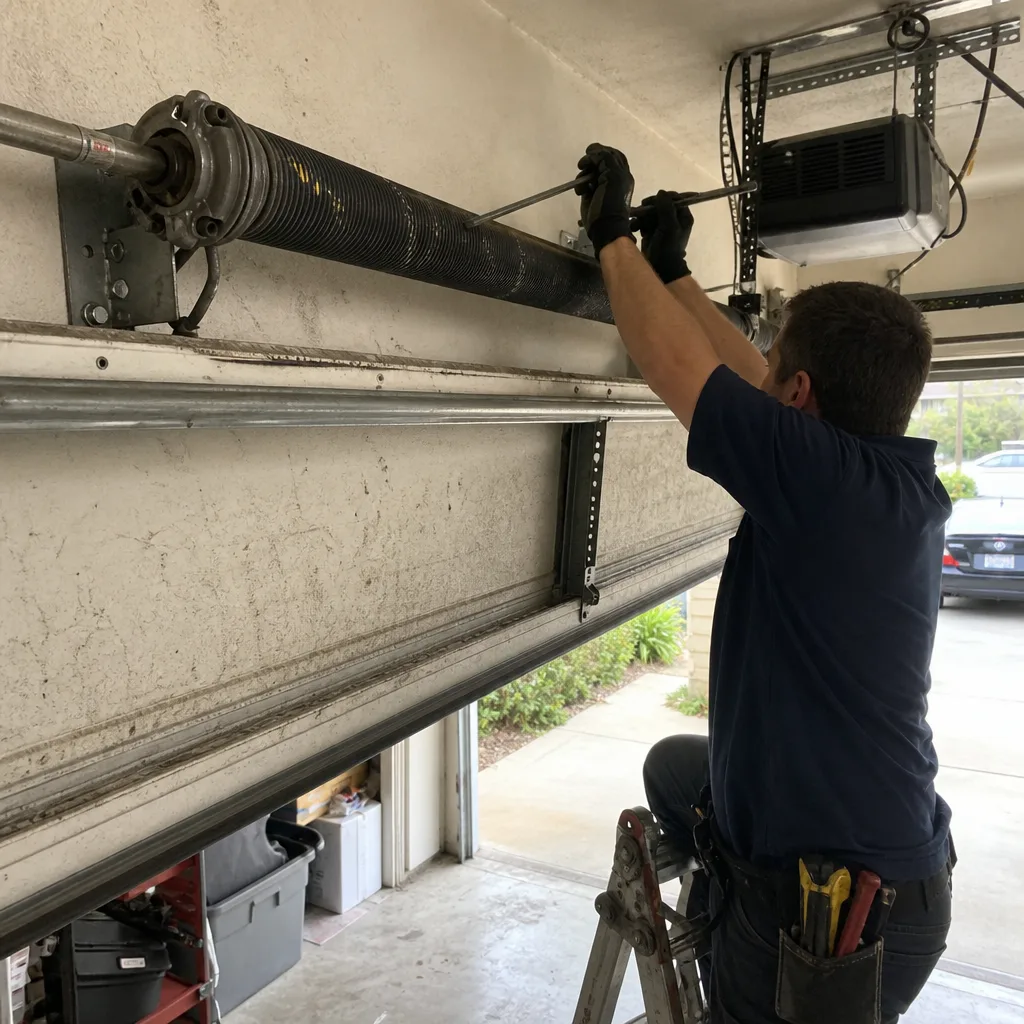 Before
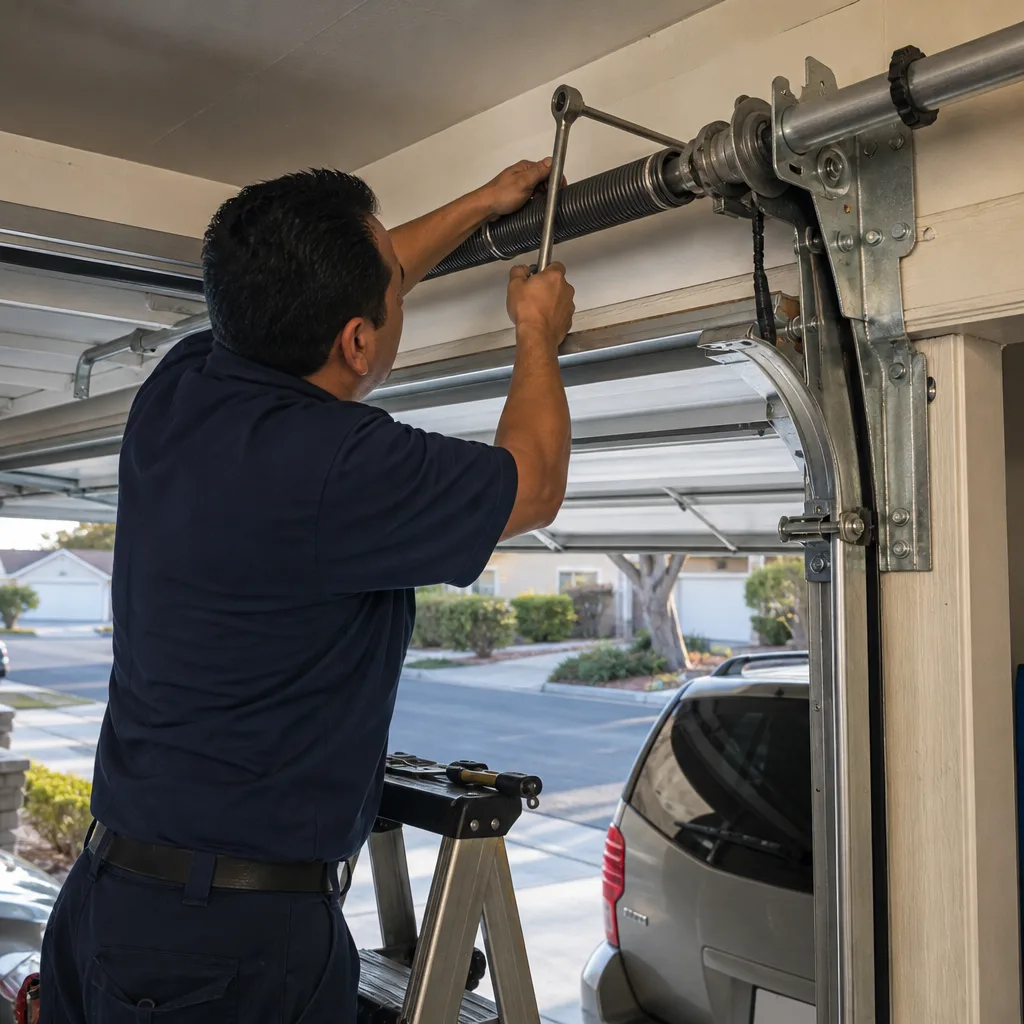 After
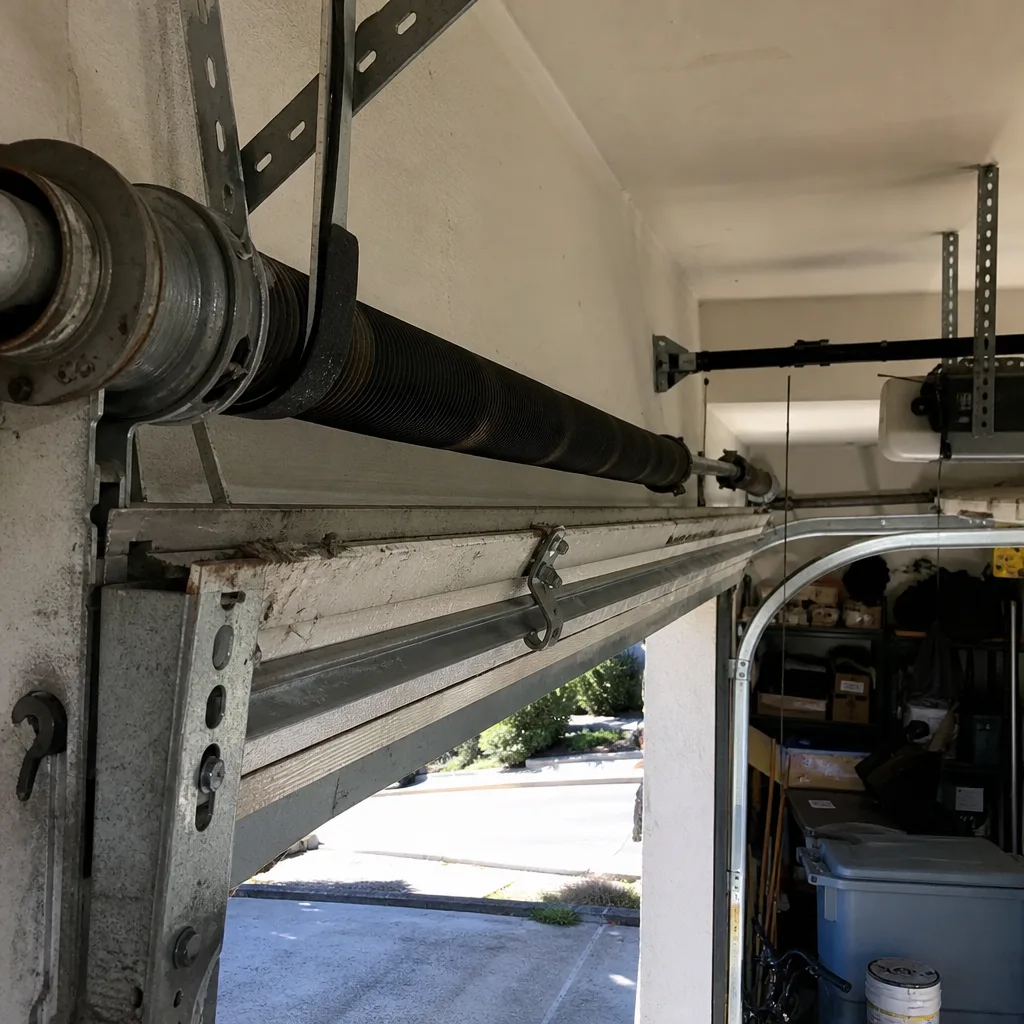 Before
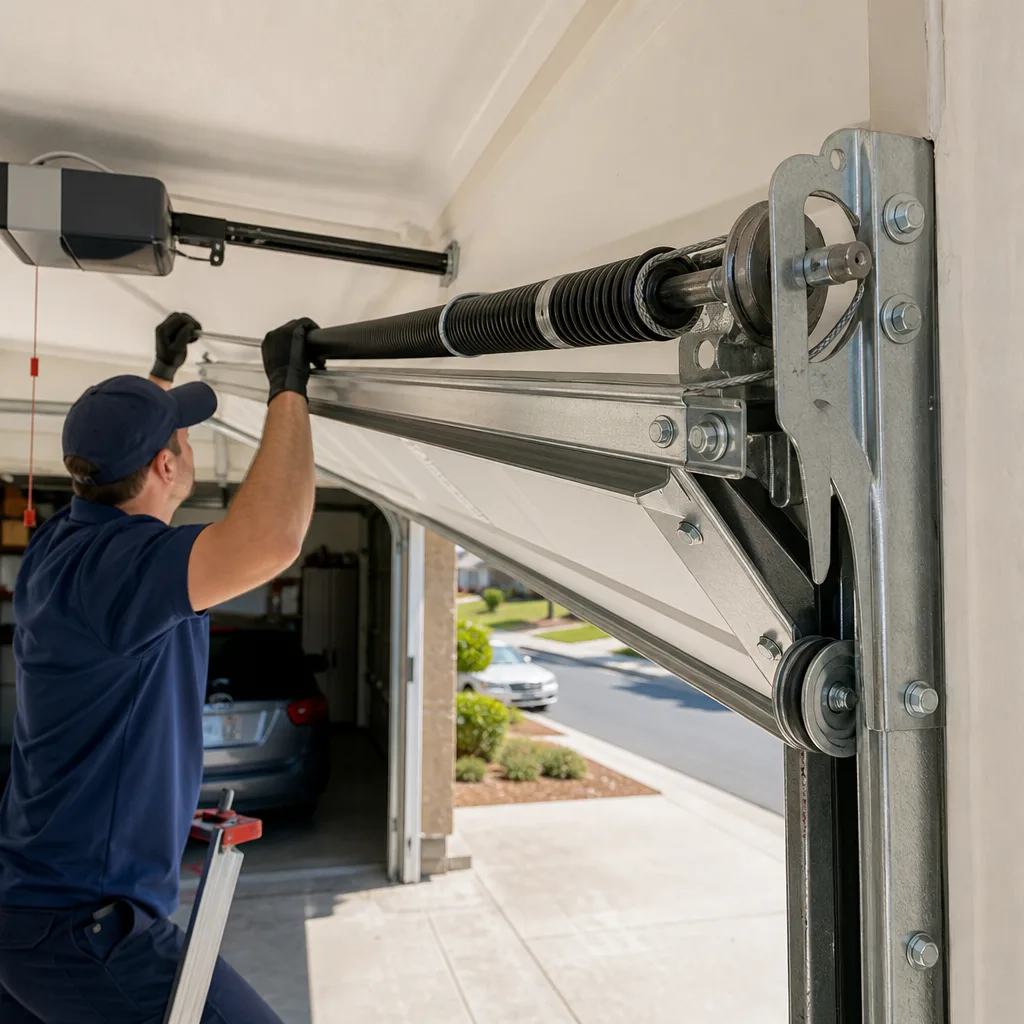 After
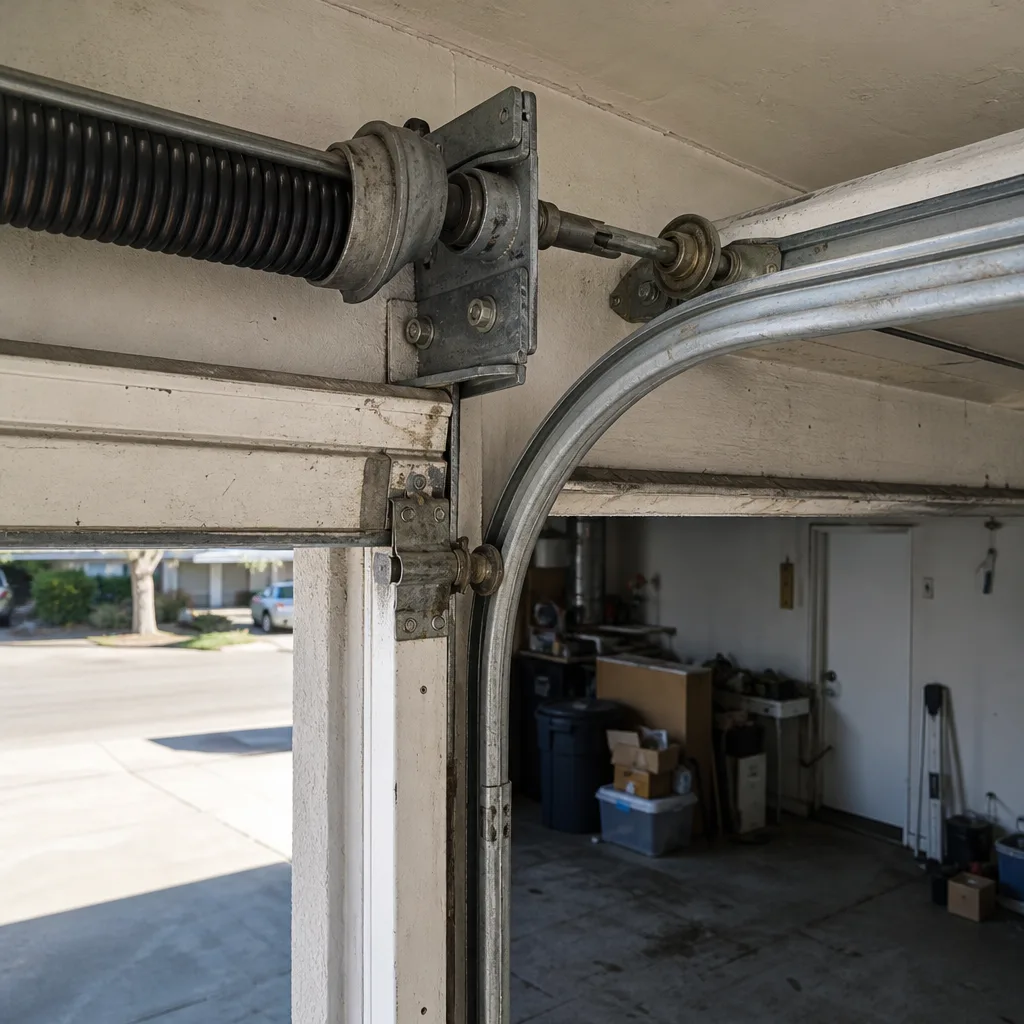 Before
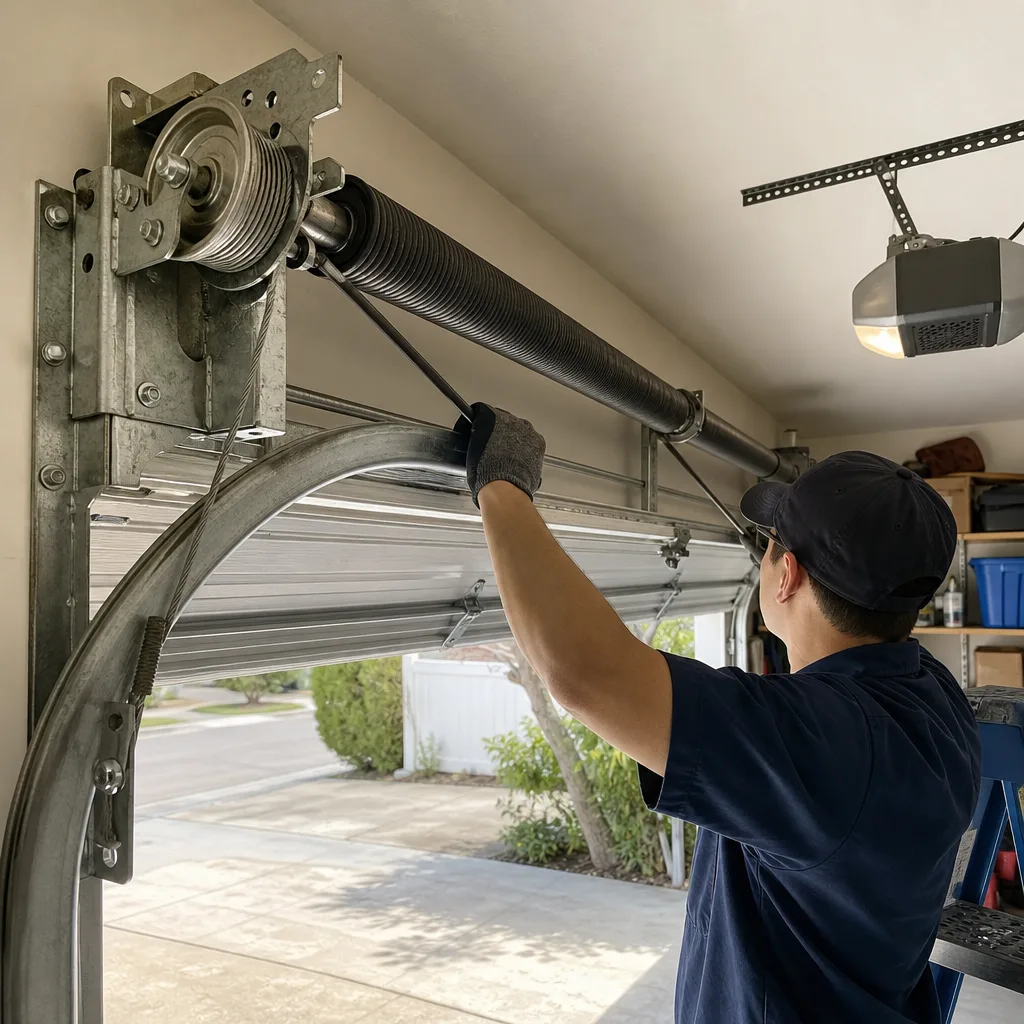 After