
Last updated October 30, 2026
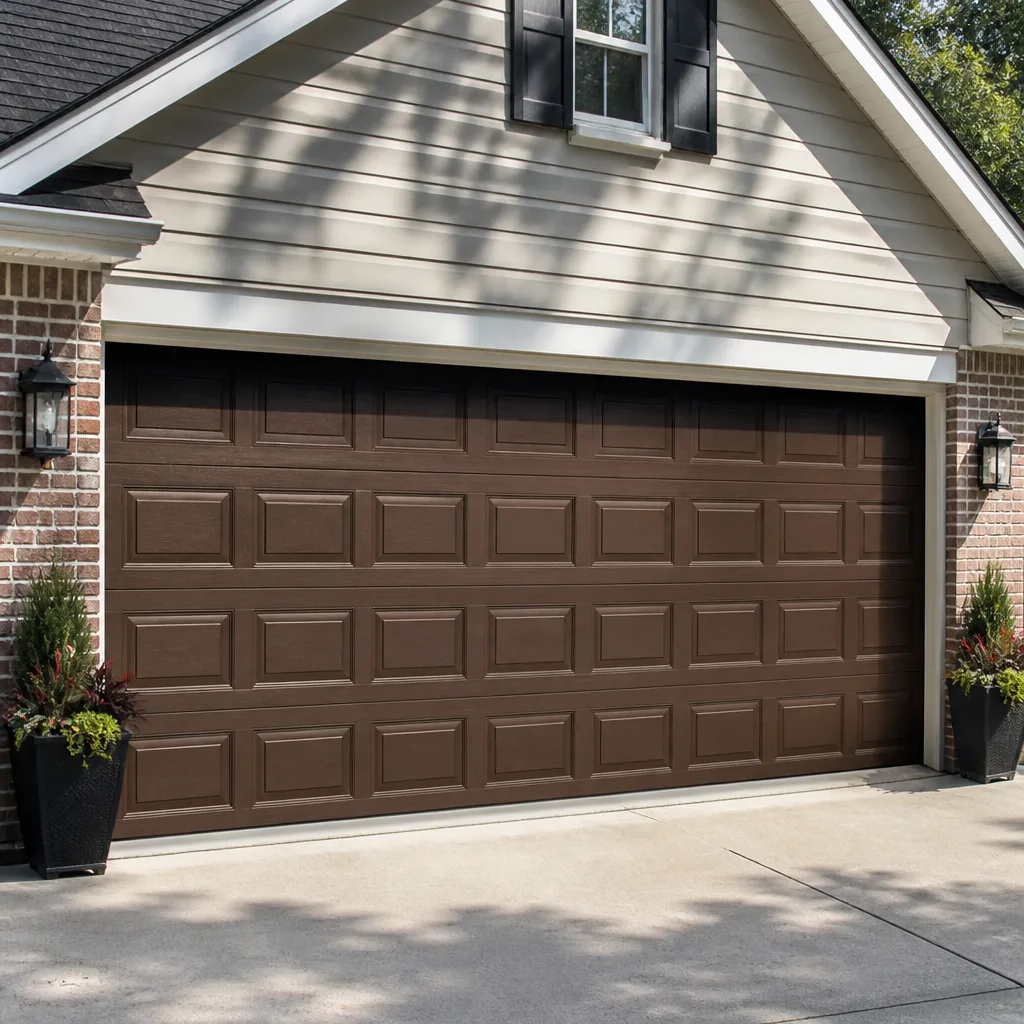 Raised-panel steel
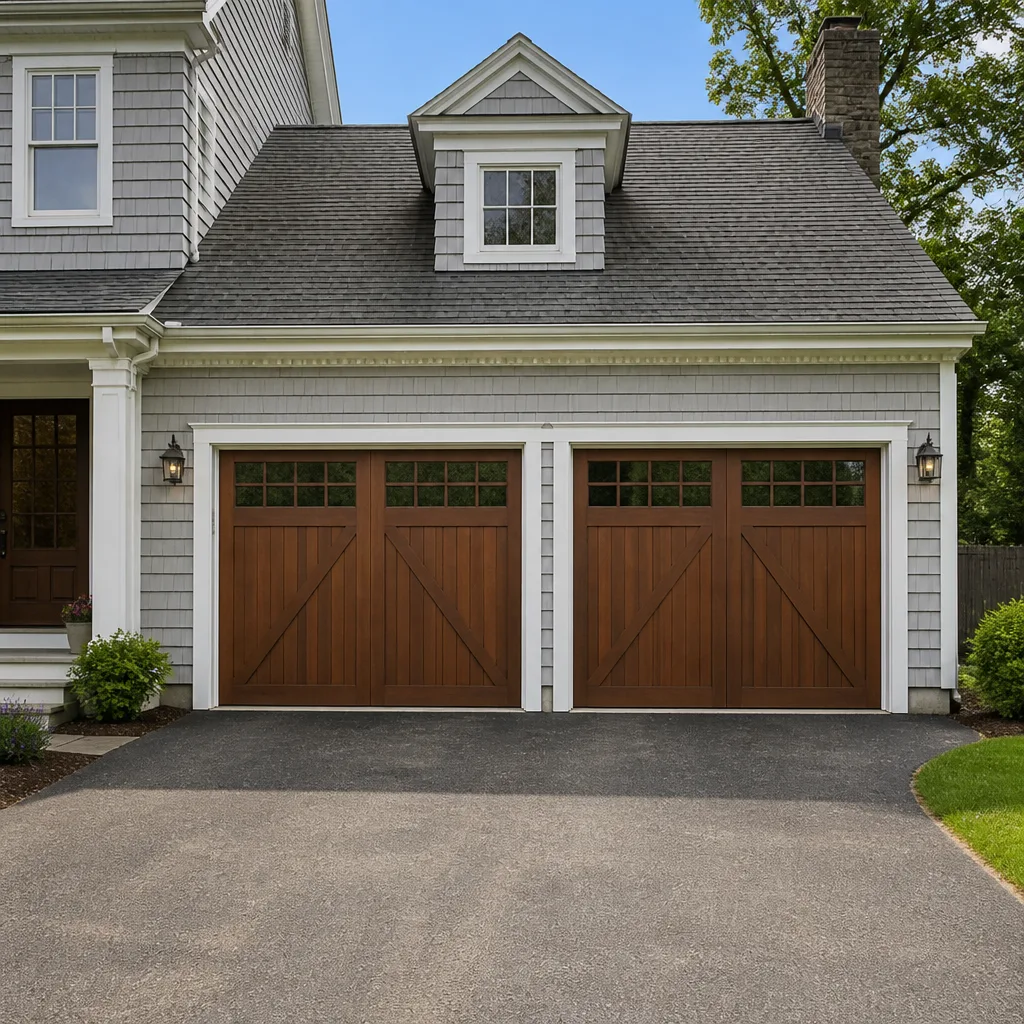 Carriage house
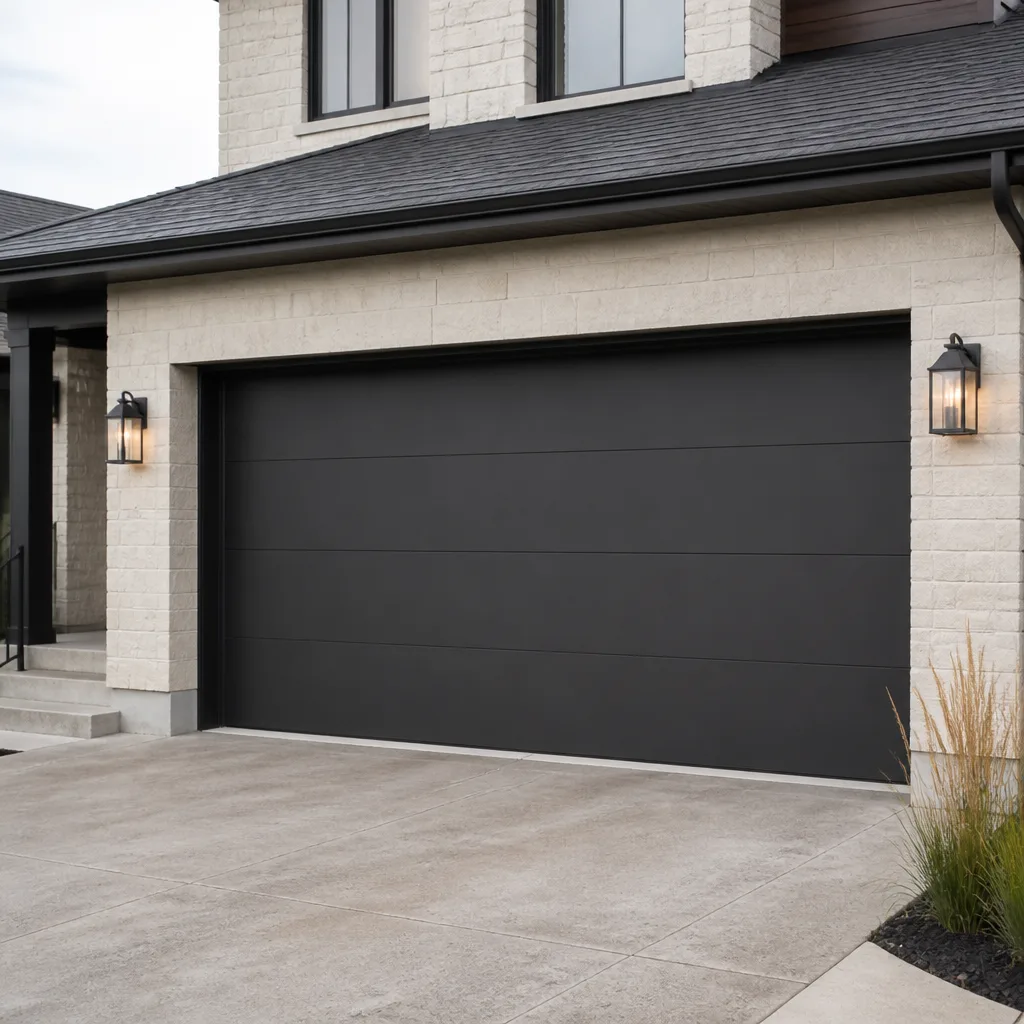 Modern flush
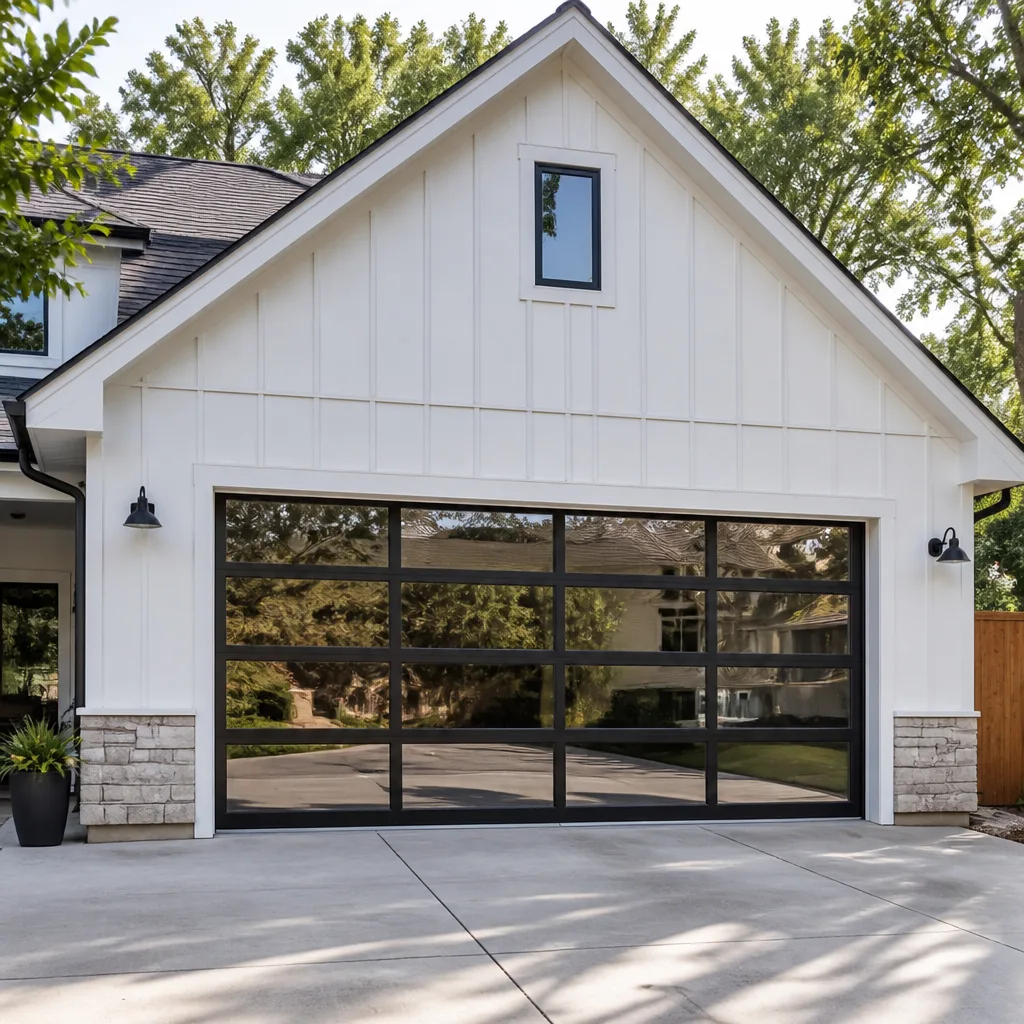 Full-view glass
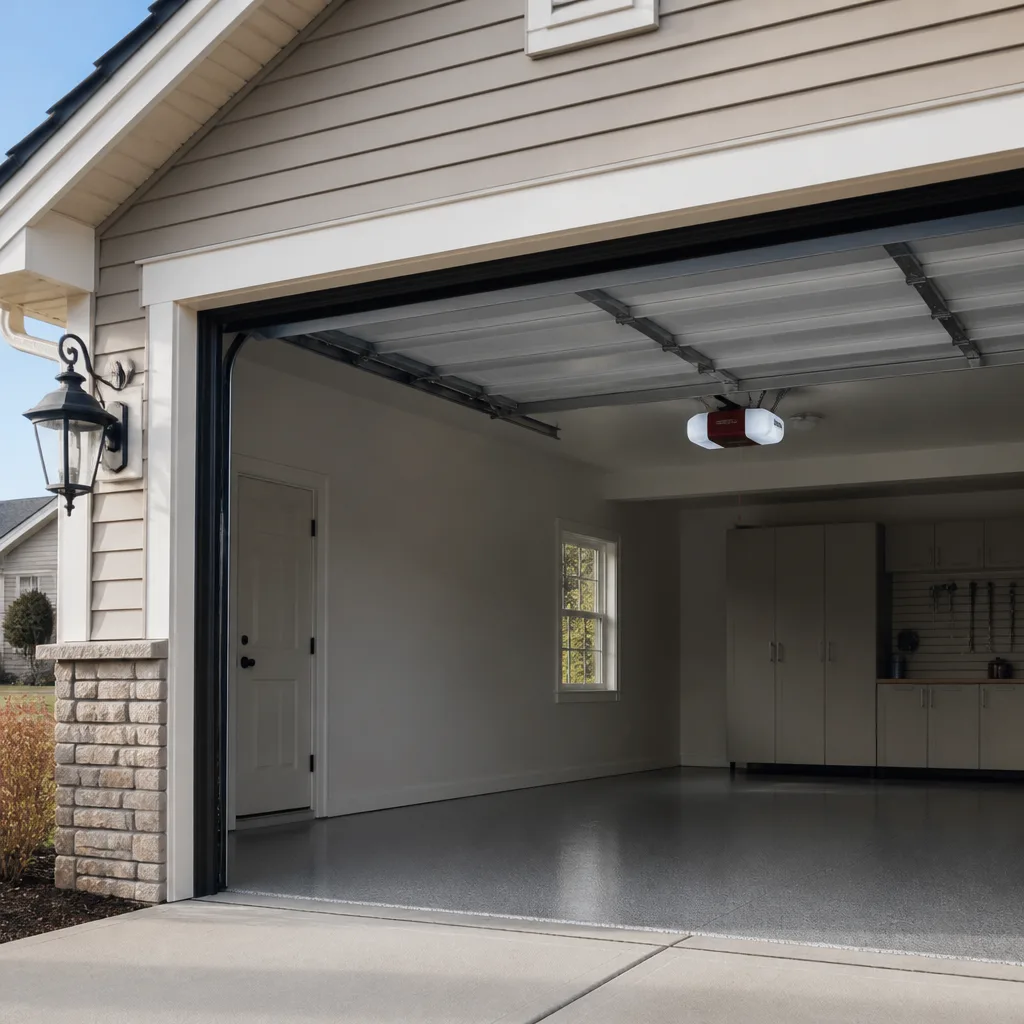 LiftMaster openers
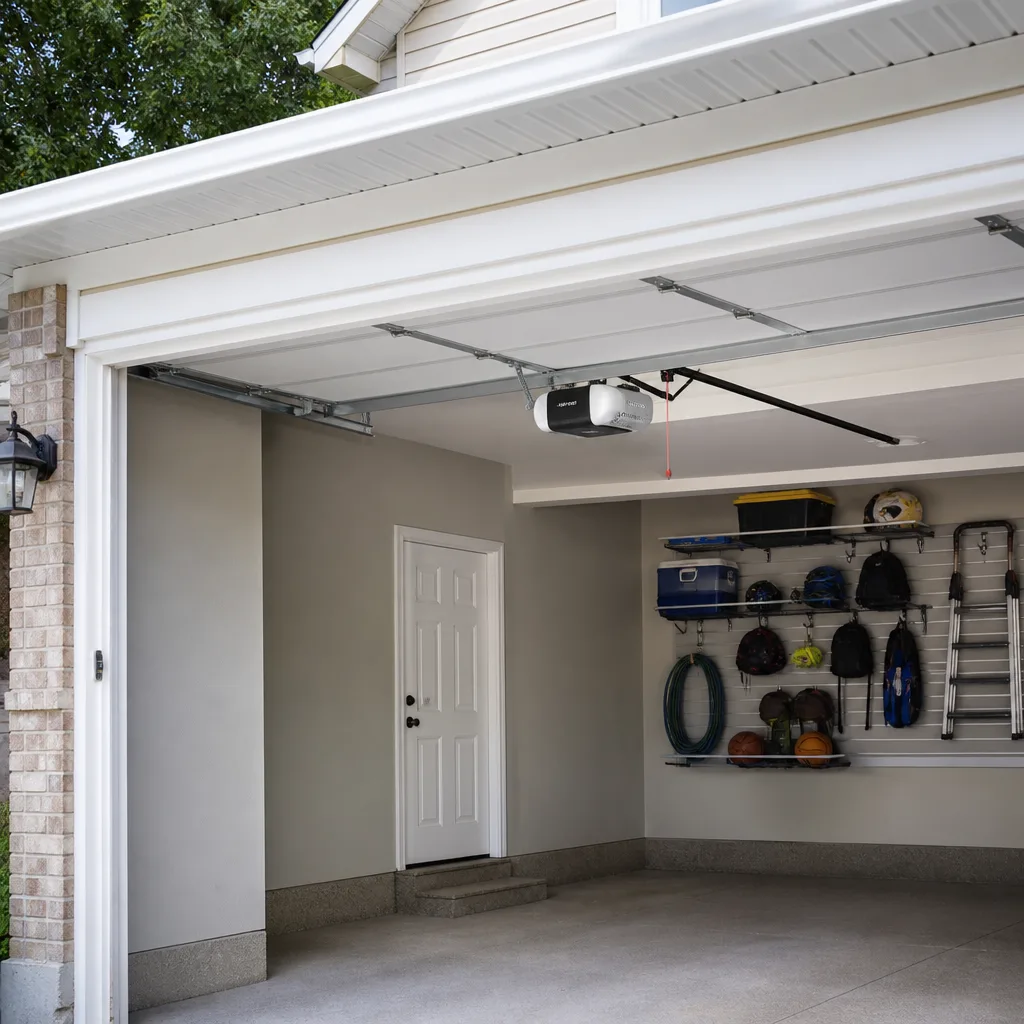 Chamberlain openers
Full 25-point door and opener safety check with every visit - springs, cables, rollers, tracks, and your LiftMaster or Chamberlain opener included
You get a price before we start. It does not change when the truck arrives.
Get your free estimateGarage Door Permits, Codes & Inspections in CA: What You Need to Know
Most California homeowners never think about garage door permits until an escrow officer, insurance adjuster, or building inspector brings it up. By then, the conversation usually involves money. Here’s the counterintuitive part: most garage door repairs in Carlsbad need no permit at all, yet the exceptions are common enough that we see several homeowners each year caught off guard by a routine project that crossed an invisible line. This guide and our Garage Door Repair Troubleshooting: Common Problems and How to Fix Them resource explain exactly where those lines are, what California and Carlsbad actually enforce, and how to avoid turning a $2,500 door replacement into a $10,000 escrow headache.
Quick Answer
In California, routine garage door repairs – springs, panels, rollers, cables, openers on existing headers – generally don’t require a permit. Permits are typically required when you’re cutting a new opening, altering or replacing the structural header, converting a carport to a garage, or installing a door where none existed. In Carlsbad, the building department also checks Title 24 energy compliance on full door replacements, meaning an unpermitted install can surface years later during a home sale, insurance claim, or routine inspection.
Styles & brands we work with
Table of Contents
- When a Garage Door Project Needs a CA Permit (and When It Doesn’t)
- How Carlsbad’s Building Department Handles Garage Door Work
- Title 24 Energy Compliance for Insulated Door Replacements
- UL 325 Entrapment Protection and Pre-1993 Openers
- What an Unpermitted Installation Does to Your Insurance Claim
- The Inspection Process, Step by Step
- Common Mistakes to Avoid
- When to Call a Professional
- Frequently Asked Questions
When a Garage Door Project Needs a CA Permit (and When It Doesn’t)
California building codes draw a specific line between “repair” and “alteration,” and that line determines whether you’re pulling a permit. A repair restores something to its original condition. An alteration changes the structure, location, or configuration. For garage doors, that means swapping a bent track is a repair. Widening the opening to fit a taller door is an alteration, and it needs a permit.
Here’s the practical breakdown we walk Carlsbad homeowners through when they ask whether their project is permit-worthy:
Work that typically does NOT require a permit:
- Replacing a broken spring, cable, roller, hinge, or strut
- Installing a new garage door opener on an existing, compliant header
- Replacing individual door panels or a whole door section on an existing track system
- Replacing a full door with the same size door in the same opening, with no structural header changes
- Track replacement that doesn’t move the opening or alter the structure
- Weatherstripping, seal replacement, and cosmetic work
Work that typically DOES require a permit:
- Creating a new garage door opening where a wall currently exists
- Widening or raising an existing opening (this changes the header load path)
- Converting a carport, breezeway, or storage room into an enclosed garage
- Replacing a structural header beam, even if the door size stays the same
- Installing a door on a detached structure not originally built with one
- Any project that modifies load-bearing framing around the opening
The structural header is the real trigger. In Carlsbad’s coastal climate, headers carry not just the weight above the opening but also seismic shear forces. Change the header, and you’ve changed how the building resists lateral loads. That’s squarely in permit territory, and it’s the one we tell homeowners never to guess on. A header that’s undersized or improperly connected doesn’t just fail an inspection – it fails slowly, often visibly, as cracks appear in stucco above the door corners.
If you’re in doubt about your specific project, a two-minute call to the Carlsbad Building Division gets you a straight answer without obligation. They’ll ask the same questions we just did: Is the opening changing? Is the header being touched? Is this a new structure? If the answer to all three is no, you’re almost certainly clear.
How Carlsbad’s Building Department Handles Garage Door Work
Carlsbad operates its own building department, separate from the county. That matters because interpretation varies by jurisdiction, and Carlsbad has developed some specific patterns in how it reviews garage door projects. In our experience working with Carlsbad inspectors, the department’s priorities are structural safety, energy compliance, and entrapment protection – in that order.
Here’s what homeowners in Carlsbad specifically should know:
- Same-size door replacements are treated as repairs by default. If you’re putting a new Clopay or Raynor door into an opening that held the exact same size door, Carlsbad doesn’t route that through the full permit process. You may still face a Title 24 energy check (more on that below), but it’s not treated as an alteration.
- Header modifications trigger a full structural review. If you’re widening a single door to a double, or raising a 7-foot opening to 8 feet, expect to submit plans sealed by a California-licensed engineer. Carlsbad is strict about seismic connections on modified headers, and notes on a napkin won’t get through plan check.
- Opener replacement on older homes draws UL 325 scrutiny. Carlsbad inspectors know the housing stock here – much of it built between 1960 and 1990. When they’re already on site for other work and notice a pre-1993 opener, they’ll flag the entrapment protection gap. It’s the single most overlooked code issue in Carlsbad garages.
- Coastal zone considerations apply in some Carlsbad neighborhoods. Homes west of I-5, particularly in the Village and Terramar areas, can face additional corrosion requirements on hardware. Galvanized and stainless track components aren’t a nice-to-have near salt air – they’re an expectation inspectors look for.
The practical takeaway: for most straightforward Carlsbad garage door repairs and same-size replacements, you won’t be filing a permit application. For anything that touches structure or changes the opening, budget real time for plan review – typically two to four weeks in Carlsbad depending on current workload.
Title 24 Energy Compliance for Insulated Door Replacements
California’s Title 24 building energy efficiency standards apply to garage doors in a way that surprises many homeowners. The requirement isn’t about keeping your garage warm – it’s about reducing heat transfer from an attached garage into conditioned living space. In Carlsbad’s mild coastal climate, the enforcement is real but specific.
Here’s the scenario we see most often: a homeowner replaces an uninsulated steel door with a polished new insulated model, thinking they’ve made an upgrade. The energy compliance forms, if they’re checked at all, show the old door had a U-factor of 0.70 and no R-value requirement because the garage was unconditioned. The new door, with an R-value of 9 or 12, exceeds the minimum Title 24 threshold. That’s usually fine in Carlsbad because the climate zone (Zone 7) doesn’t demand the same insulation levels as inland or mountain zones.
But the rule that catches people is different:
- If a door has an R-value stated on the manufacturer label, Title 24 compliance documentation may be required at inspection, even for a same-size replacement.
- If the garage shares a wall or ceiling with conditioned space (common in Carlsbad homes where the master suite sits above the garage), the door assembly must meet minimum R-value standards in the applicable climate zone.
- If you upgrade from an uninsulated to an insulated door, you must complete the energy compliance path for the building envelope change – a form called CF-1R for residential alterations.
We’ve found that Carlsbad inspectors are practical here. They’re not hunting for Title 24 violations on simple spring repairs or panel swaps. They apply the energy check when the door itself is being replaced, because that’s exactly when the building envelope changes. If you’re buying an insulated Amarr or Clopay door and replacing an old uninsulated one, ask your installer about Title 24 documentation. Reputable installers like Garage Door Installation in Carlsbad specialists handle this paperwork as part of the job. A cheap install that skips it can leave you unable to close out a permit that was never pulled in the first place, which is the worst of both worlds: you paid for the work but can’t prove compliance to a future buyer.
UL 325 Entrapment Protection and Pre-1993 Openers
UL 325 is the safety standard governing automatic garage door opener systems, and it’s been federal law since 1993. If your opener was manufactured before that year, it does not meet current entrapment protection requirements, and replacing it isn’t just a convenience upgrade – it’s a safety and insurance issue.
The defining change in UL 325 is the requirement for two independent entrapment protection mechanisms:
- A mechanical reversing mechanism: the door must reverse when it strikes an object with a certain force threshold during closing.
- A non-contact safety device: an electric eye (photoelectric sensor) mounted no higher than 6 inches off the floor that reverses the door if anything breaks the beam.
Pre-1993 openers often have neither, or have a mechanical reverse that’s worn past usefulness. We see these frequently in older Carlsbad homes – the Village, Calavera Hills, and anywhere the original 1970s or 1980s equipment was never replaced – and cover the warning signs in our Garage Door Warning Signs: A Carlsbad Homeowner’s Reference Guide. The danger isn’t theoretical. A garage door closing on a child or pet can cause serious injury or death, and the reversal mechanism is the only thing standing between a functioning door and a tragedy.
When a pre-1993 opener needs replacement, the new opener must comply with current UL 325 – which all modern Chamberlain, LiftMaster, and Genie units do out of the box. But here’s the part many Carlsbad homeowners miss: replacing the opener doesn’t require a permit, but it does require the new system to retain its UL 325 compliance after installation. That means proper sensor placement, correct force settings, and a working mechanical reverse tested at installation. We test the reverse with a 2×4 placed in the door’s path before we call any opener job done.
If you’re not sure when your opener was manufactured, look at the decal. Most pre-1993 units don’t list a UL 325 compliance mark. If yours is from 1993 or later, look for the phrase “UL 325” or “compliant with UL 325” on the model information sticker. If it’s not there, plan for a replacement.
What an Unpermitted Installation Does to Your Insurance Claim
The permit question doesn’t stay buried forever. We’ve watched it resurface in three specific ways in Carlsbad, and each one is expensive.
Home sale inspection failures. A buyer’s inspector in a Carlsbad escrow will routinely check for permits on visible structural work. If you widened a single garage door to a double five years ago and never pulled a permit, that shows up as a red flag. The buyer’s inspector flags the unpermitted alteration, the lender hesitates, and suddenly you’re negotiating a retrofit permit or a price reduction. The typical outcome we see: $3,000 to $8,000 in concessions, plus a retro permit that may be harder to approve than an original one would have been.
Insurance claim denials. Homeowner’s insurance policies in California typically exclude coverage for damage caused by unpermitted work. If a garage door header fails during an earthquake or a door pane shatters and injures someone, the claims adjuster will ask whether the installation was permitted. If it wasn’t and the damage is traceable to the unpermitted modification, you may find the claim denied or the policy rescinded. This isn’t theoretical – it’s the direct result of California’s insurance code provisions that allow carriers to exclude losses arising from illegal construction activity.
Liability exposure after injury. If a garage door installed with no permit and no inspection causes an injury – a spring lets go, a panel detaches, a header sags onto a car – the homeowner’s liability exposure shifts materially. The injured party’s attorney will immediately check permit history. No permit, no inspection, no independent verification that the work met code. That’s a case you lose.
The irony is that the permit itself is relatively affordable in Carlsbad for the projects that require one – a few hundred dollars in most cases. The cost of not pulling one can be an order of magnitude higher down the road.
The Inspection Process, Step by Step
If your Carlsbad garage door project does require a permit, the inspection process is predictable. Here’s what actually happens, in order, so there are no surprises.
- Submit the permit application. For structural work, this includes engineered plans and Title 24 documentation if the door assembly is part of the building envelope. Carlsbad’s Building Division reviews within two to four weeks depending on complexity and current backlogs.
- Pay the permit fees. Fees in Carlsbad are based on the valuation of the work. For a typical header modification plus door replacement, expect permit fees in the range of $200 to $600 depending on the scope.
- Complete the work with the approved plans on site. This is the stage where Garage Door Repair in Carlsbad professionals coordinate with your general contractor. The door installer must build to the engineered specification, not improvise because the header beam ended up an inch off.
- Call for the rough inspection. The inspector checks the header installation, connection hardware (simpson ties, bolts, straps), and any seismic anchoring before the wall is closed up. Do not drywall over the header until this inspection passes. We’ve seen crews skip this step and spend a weekend tearing out fresh drywall to re-expose the header for inspection.
- Call for the final inspection. After the door is installed and the opener is wired, the inspector verifies the door operates correctly, the UL 325 sensors are in place, the reversal mechanism functions, the weatherstripping is installed, and the energy compliance documentation matches the installed door.
- Receive the signed permit card. Keep this document. It’s what you’ll show a future buyer’s inspector or insurance adjuster. Scan it, file it with your home records, and never throw it away.
The whole process for a permitted garage door project in Carlsbad typically runs four to eight weeks from application to signed final. The biggest delays we see are plan corrections on header details and missed rough inspections, both of which are avoidable with a contractor who has done this before.
Common Mistakes to Avoid
- Skipping the permit on a header change. Widening or raising an opening without a permit is the single most expensive garage door mistake we see in Carlsbad escrows. The retro permit costs more, takes longer, and often requires destructive inspection. Pull it before you lift a saw.
- Assuming every “new door” needs a permit. Same-size, same-opening replacements don’t need a permit in Carlsbad. Homeowners who over-permit waste money and time; homeowners who under-permit create liability. Know which side your project falls on.
- Keeping a pre-1993 opener after replacing the door. A new insulated door on an old opener with no entrapment protection is a safety hazard that inspectors and insurance adjusters both notice. Replace the opener when it’s from before 1993, period.
- Buying a door labeled “Title 24 compliant” without checking the specific climate zone. A door sold as Title 24 compliant for a Fresno house may not satisfy Carlsbad’s coastal zone requirements the same way. Match the compliance documentation to the actual installation address.
- Hiring a general handyman for structural garage door work. Garage door work that touches headers, seismic connections, and UL 325 systems is specialized. A generalist who hangs a door won’t understand the load path, the sensor rules, or the energy form. This is exactly why Flagstone Garage Door Repair home focuses on nothing but garage doors.
- Discarding the permit card after a sale closes. The signed permit card is your proof of compliance for insurance and resale. Treat it like a title document for your car – keep it where you can find it.
When to Call a Professional
Some garage door permit and code questions resolve with a phone call. Others need an expert who has seen your specific situation before. Call a garage door specialist when your project involves any of these: structural header modifications, a door opening that’s changing size, a pre-1993 opener that needs replacement, Title 24 compliance paperwork for a door replacement, or an unpermitted installation you’ve discovered from a previous owner and need evaluated honestly. A specialist can tell you what’s fixable without a permit, what needs a retro permit, and what is fine as-is; for ongoing care, see our Garage Door Repair Maintenance Checklist for Carlsbad Homeowners.
Garage Door Opener Repair in Carlsbad and door replacement work are jobs we do daily, and we’ve walked hundreds of Carlsbad homeowners through the permit decision. Flagstone Garage Door Repair offers free estimates in Carlsbad – call (877) 626-0784 and we’ll tell you exactly where your project stands before you spend a dollar.
Frequently Asked Questions
No, if the replacement door is the same size and fits the existing opening without modifying the header or structure. Yes, if you’re changing the opening size, altering the header, or installing a door where none existed before.
Carlsbad permit fees for garage door work that requires a permit typically range from $200 to $600, depending on the project valuation and whether structural engineering review is required. Structural modifications involving an engineered header will be at the higher end of that range.
A buyer’s inspector will typically flag the unpermitted work. You’ll face a choice: reduce the sale price, complete a retro permit (which may cost more than the original permit), or lose the buyer. In our experience, most Carlsbad sellers who hit this issue end up with a price concession or a retro permit, and both typically run into thousands of dollars.
Yes. Openers manufactured before 1993 don’t meet current UL 325 entrapment protection standards, which require both a mechanical reversing mechanism and a photoelectric sensor beam. The absence of these protections creates a serious injury risk and may affect your insurance coverage. We recommend replacing any pre-1993 opener with a modern Chamberlain, LiftMaster, or Genie unit.
Yes, if a permit inspection includes the opener. The inspector will verify the photoelectric sensors are mounted no higher than 6 inches off the floor, the door reverses when the beam is broken, and the mechanical reverse works when the door is tested with an obstruction. We test all three things on every opener installation we complete in Carlsbad.
No. Converting a carport to an enclosed garage is a change of use and an alteration to the building envelope. It requires a permit, including compliance with current energy, structural, and fire safety codes. The same applies to converting a breezeway or storage area into garage space. Work done without a permit on a conversion will reliably surface during a future sale or refinance.
The Bottom Line
California’s garage door permit requirements are simpler than most homeowners think: repairs and same-size replacements are generally permit-free, while structural changes and new openings require one. The consequences of guessing wrong – escrow concessions, insurance claim denials, safety hazards from outdated openers – are expensive and avoidable. Carlsbad’s building department is reasonable and responsive, and a quick phone call resolves the permit question for most projects. If your project involves structure, energy documentation, or entrapment protection, work with a specialist who handles these details every day, or explore more guides & resources on our blog. For a straight answer on your specific situation in Carlsbad, call Flagstone Garage Door Repair at (877) 626-0784 for a free estimate – we’ll tell you what you need, nothing more.
Written by the team at Flagstone Garage Door Repair, serving Carlsbad since 2014.
See the difference
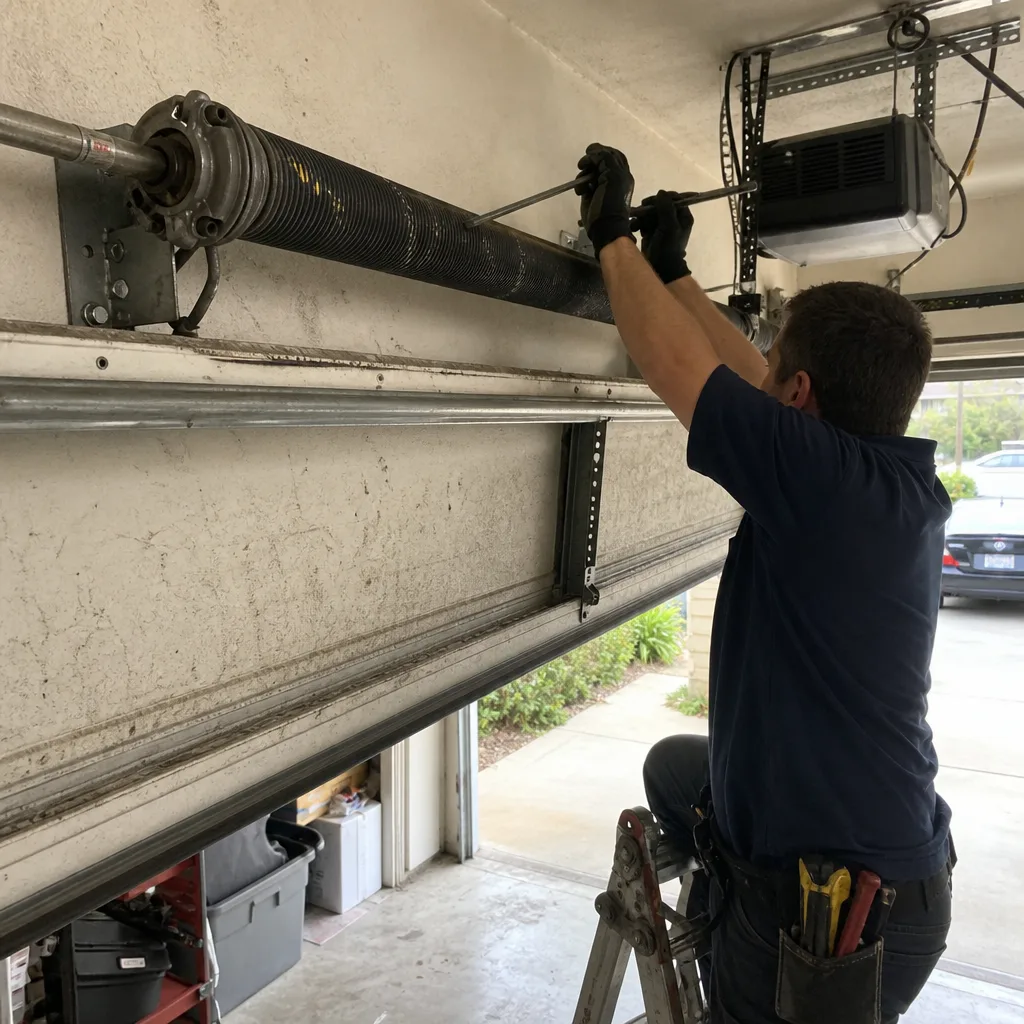 Before
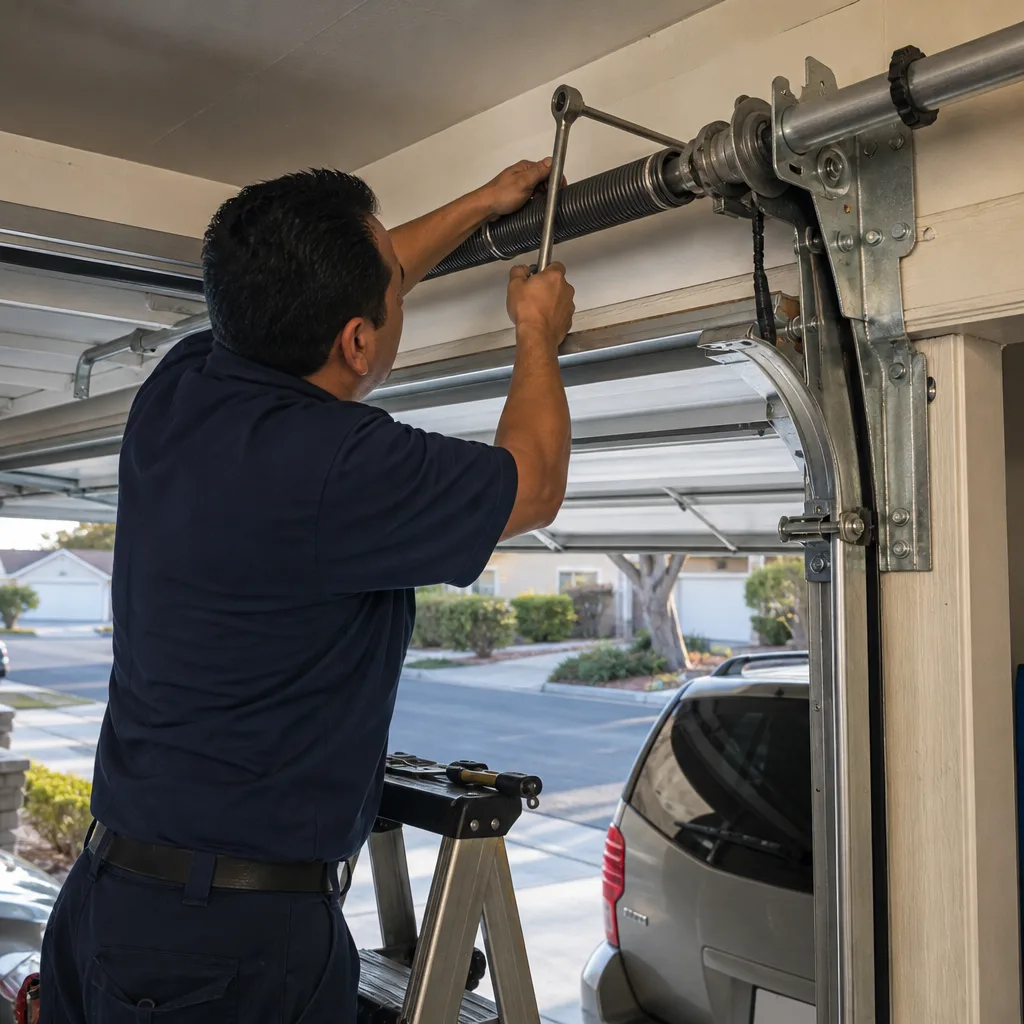 After
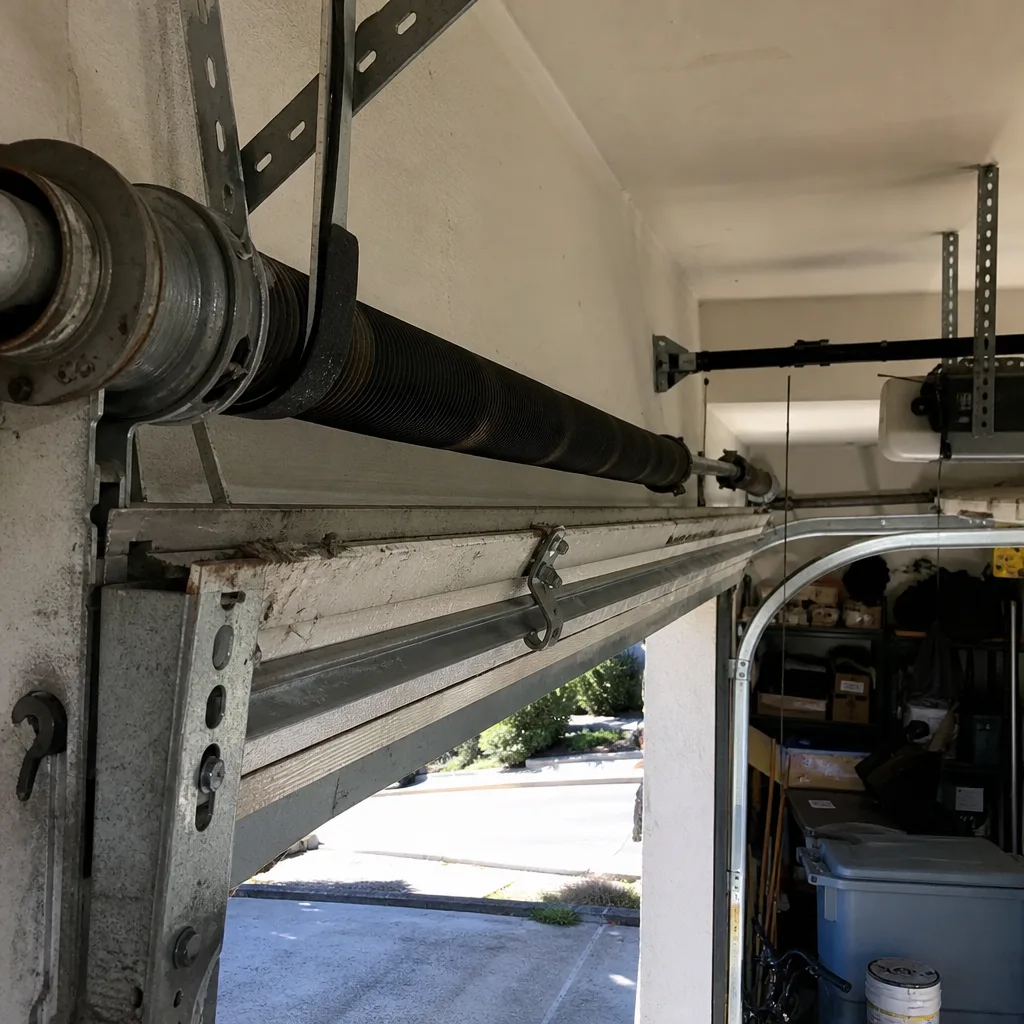 Before
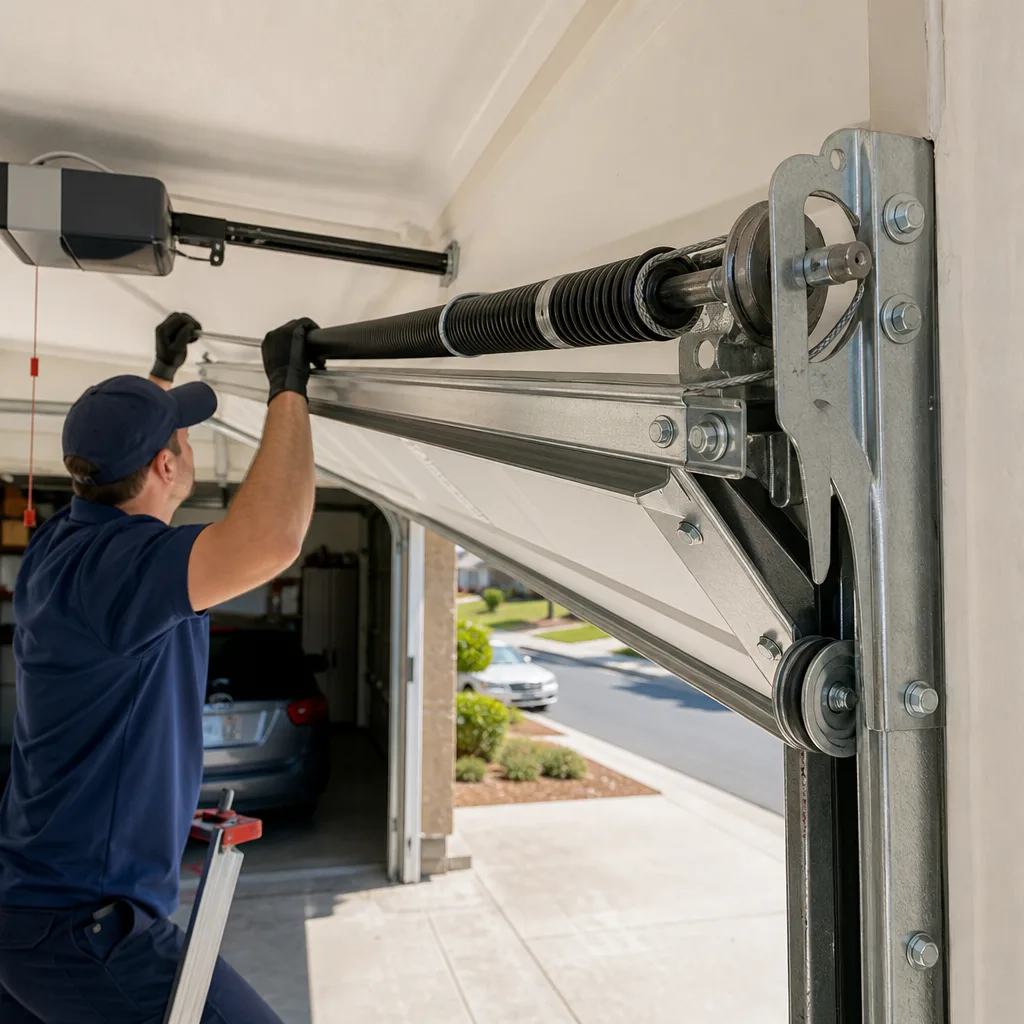 After
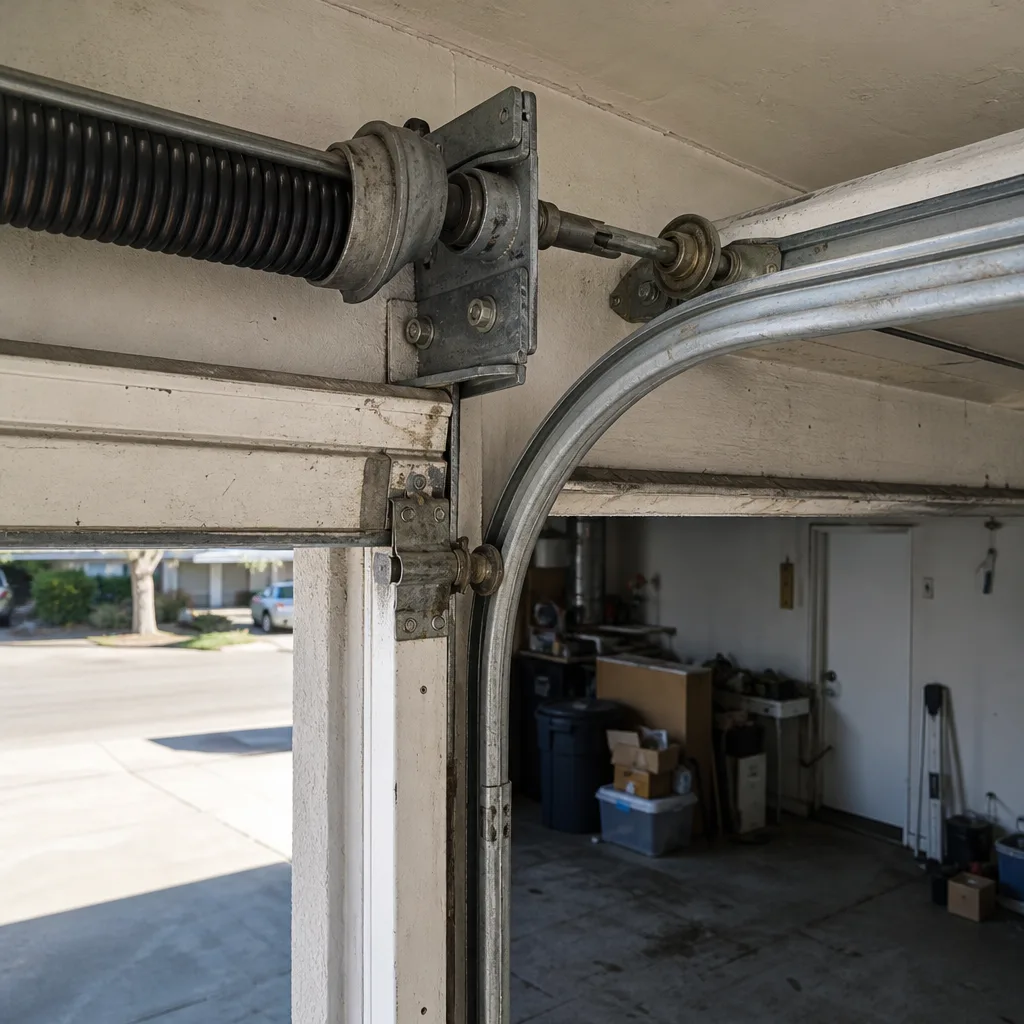 Before
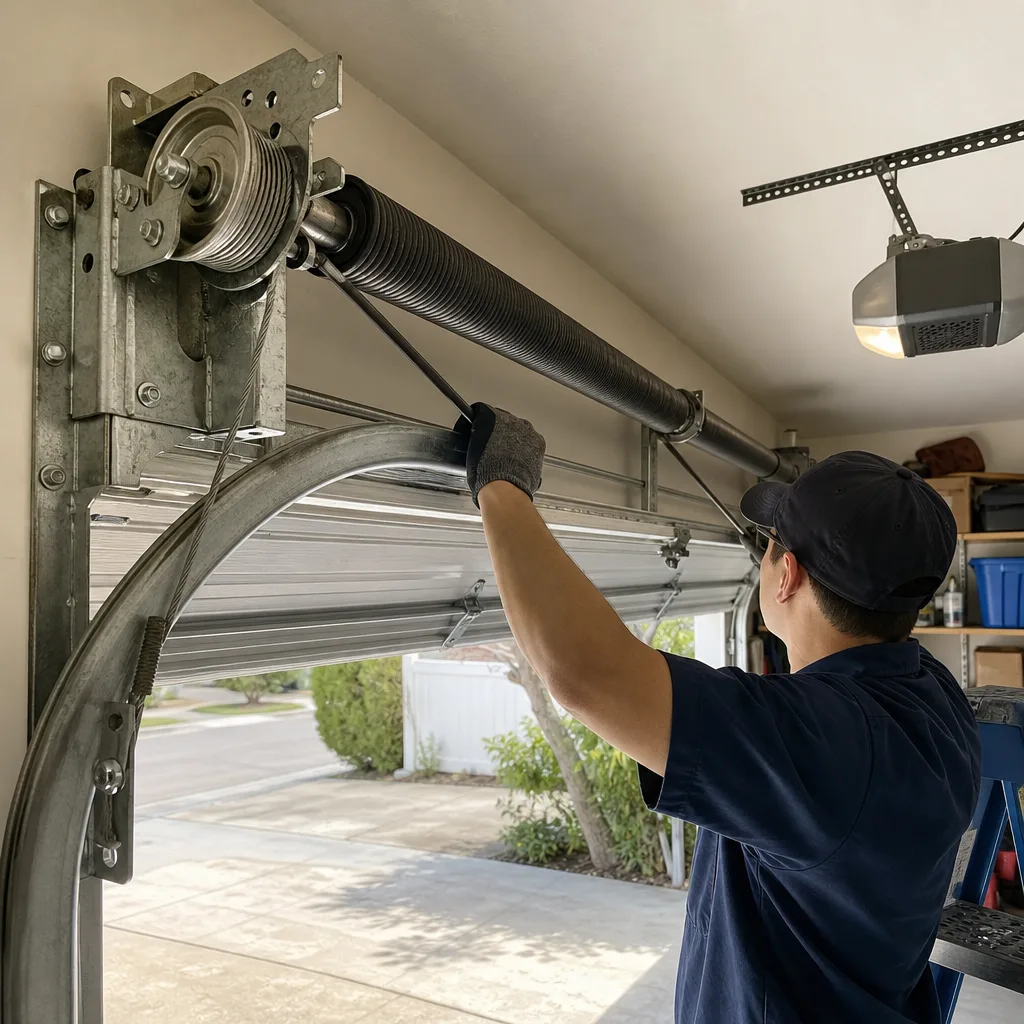 After