
Last updated October 30, 2026
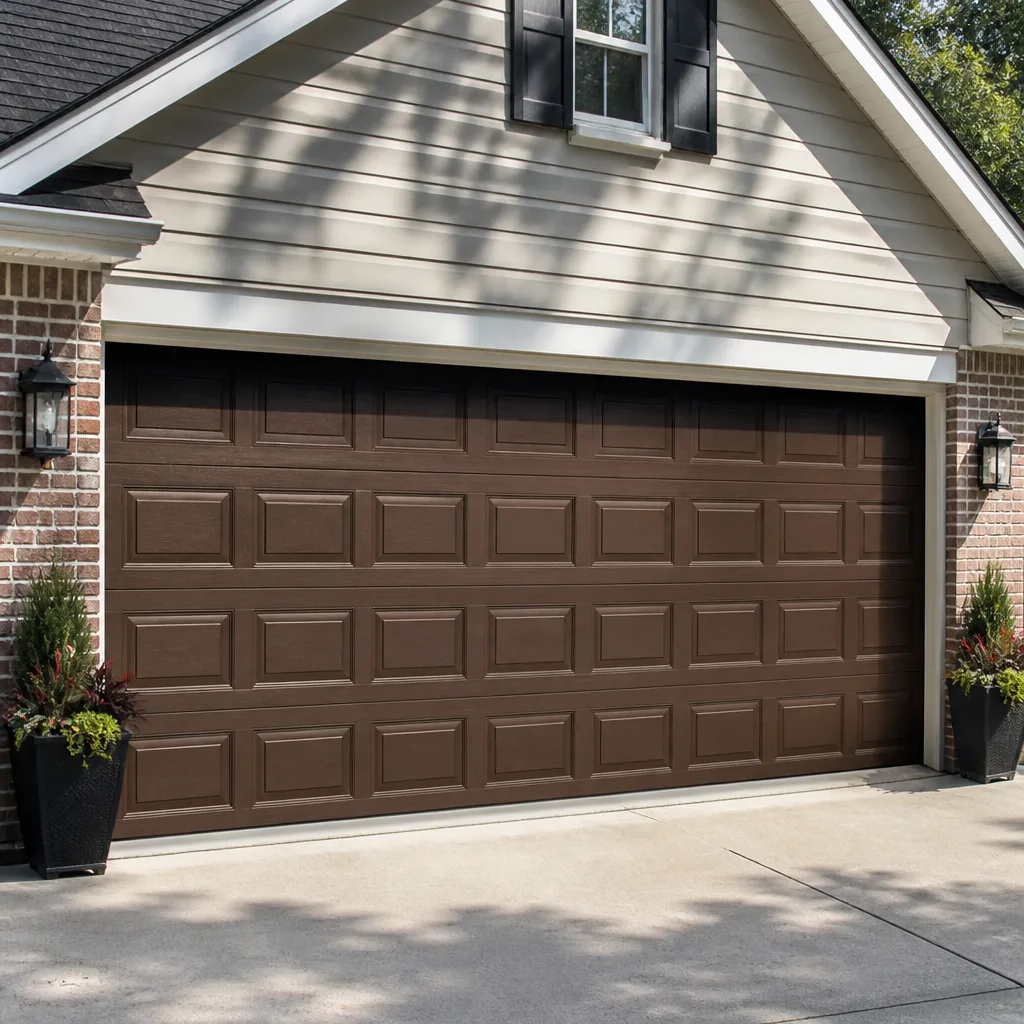 Raised-panel steel
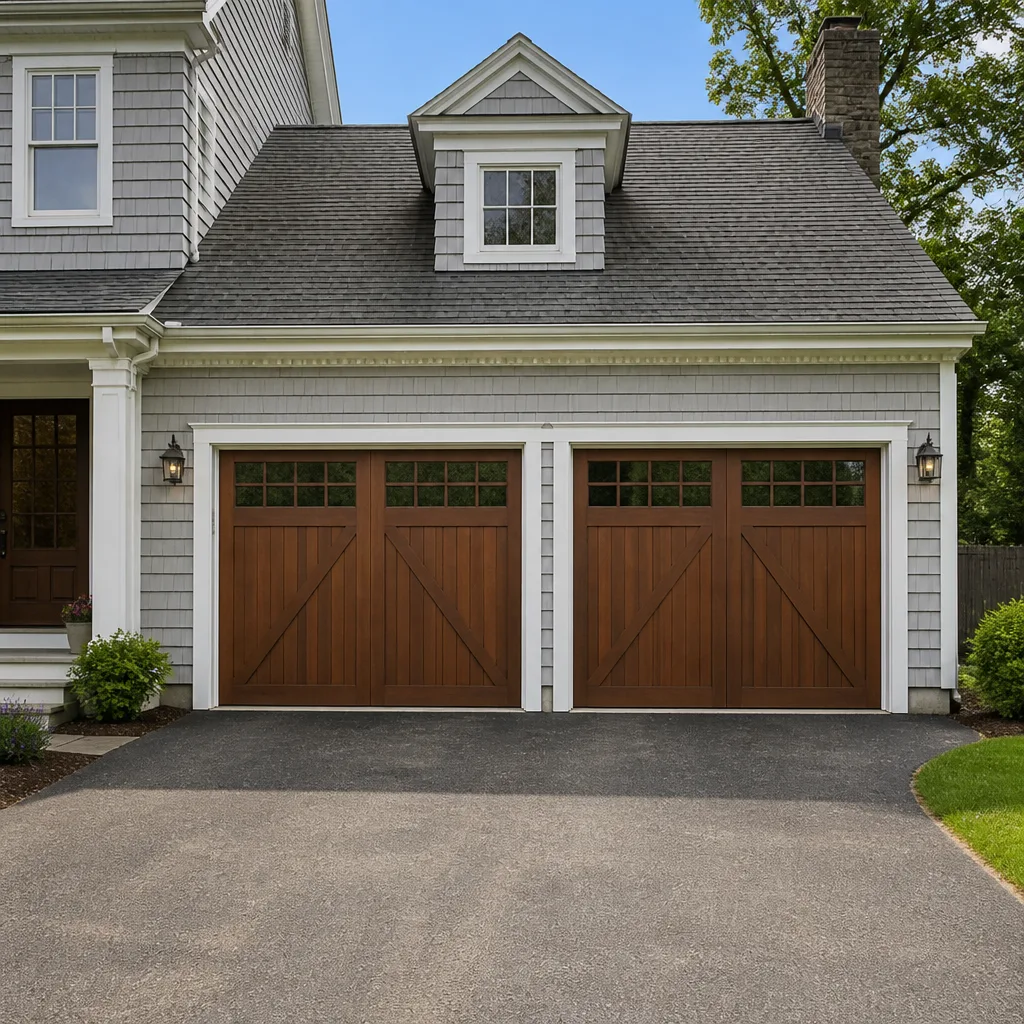 Carriage house
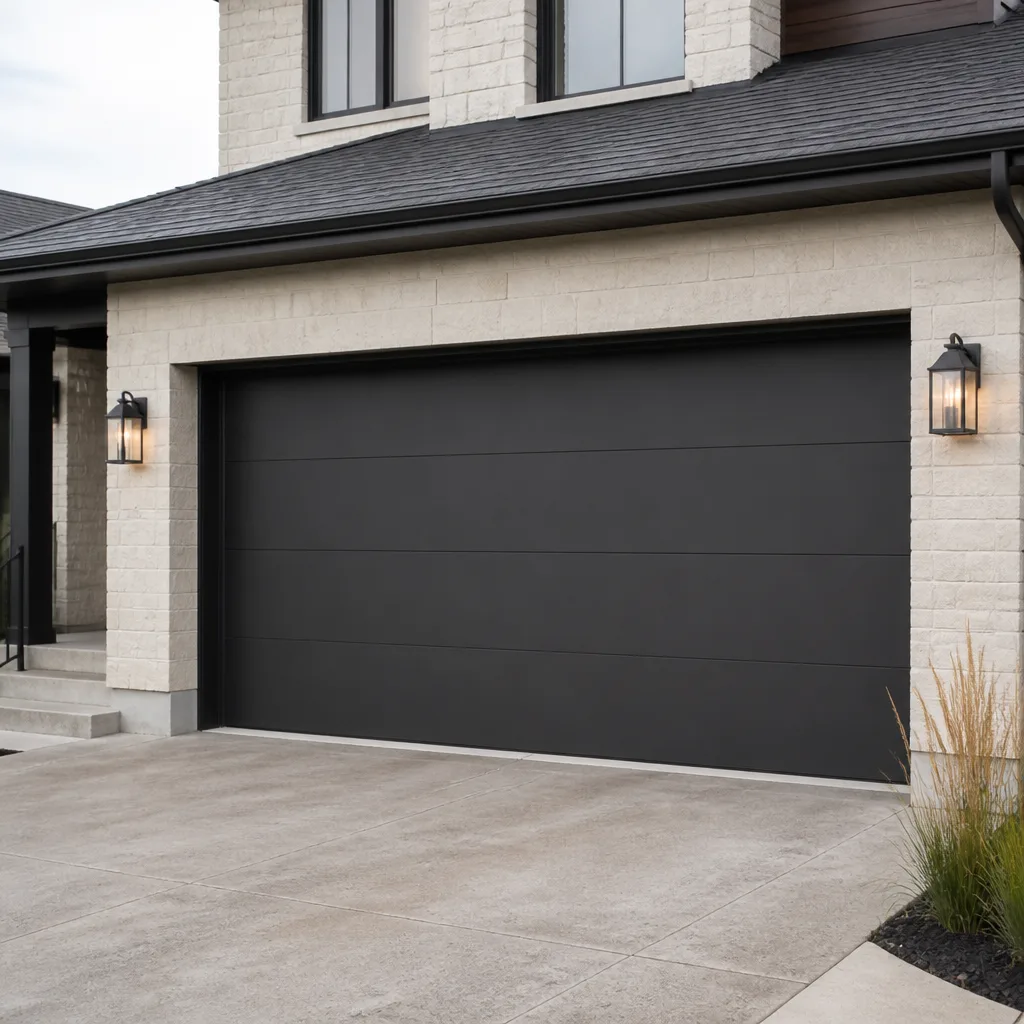 Modern flush
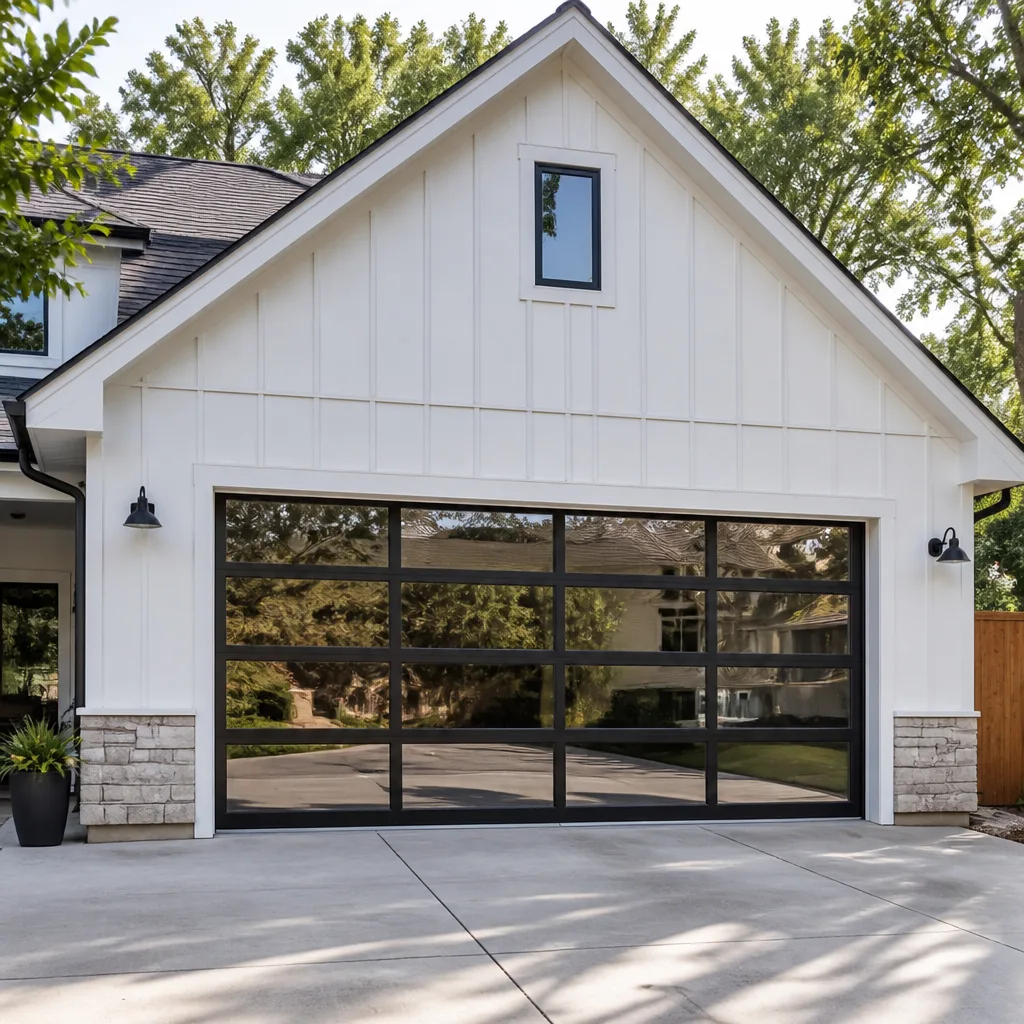 Full-view glass
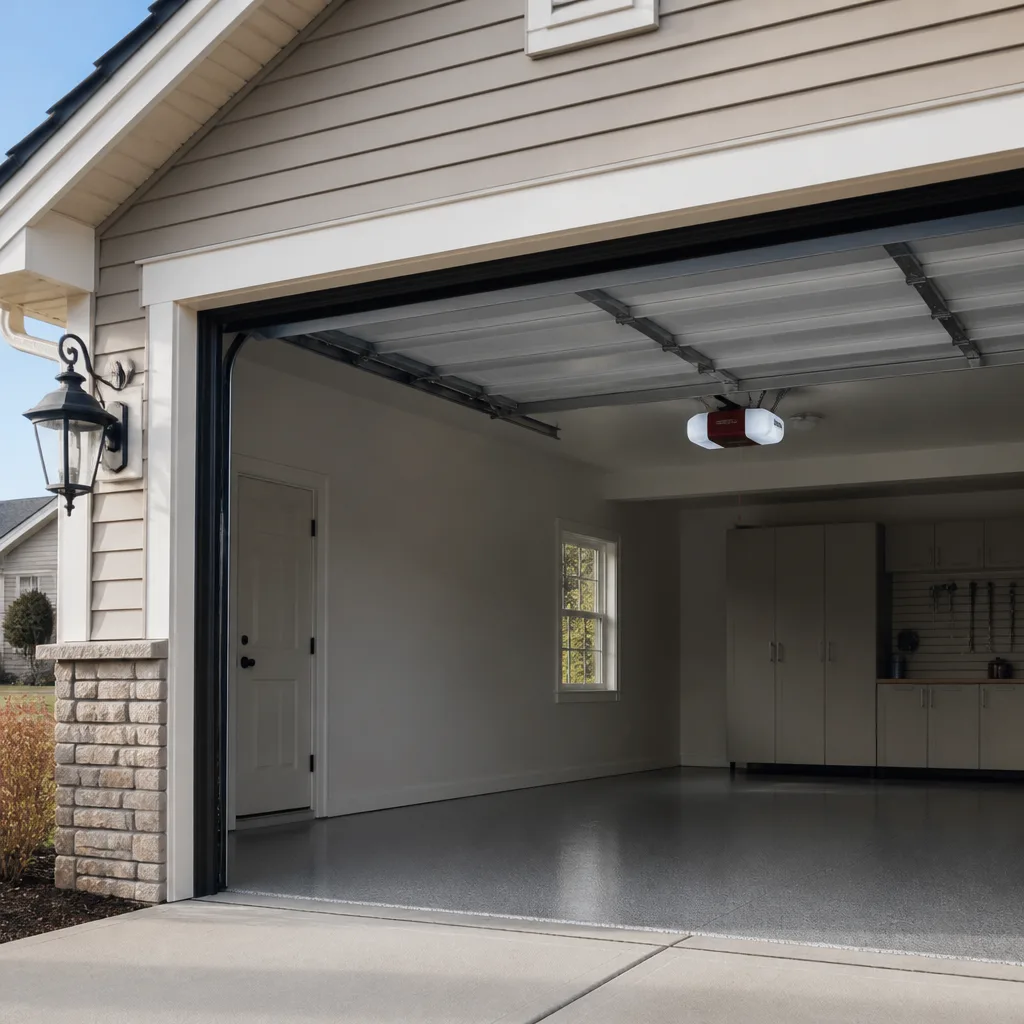 LiftMaster openers
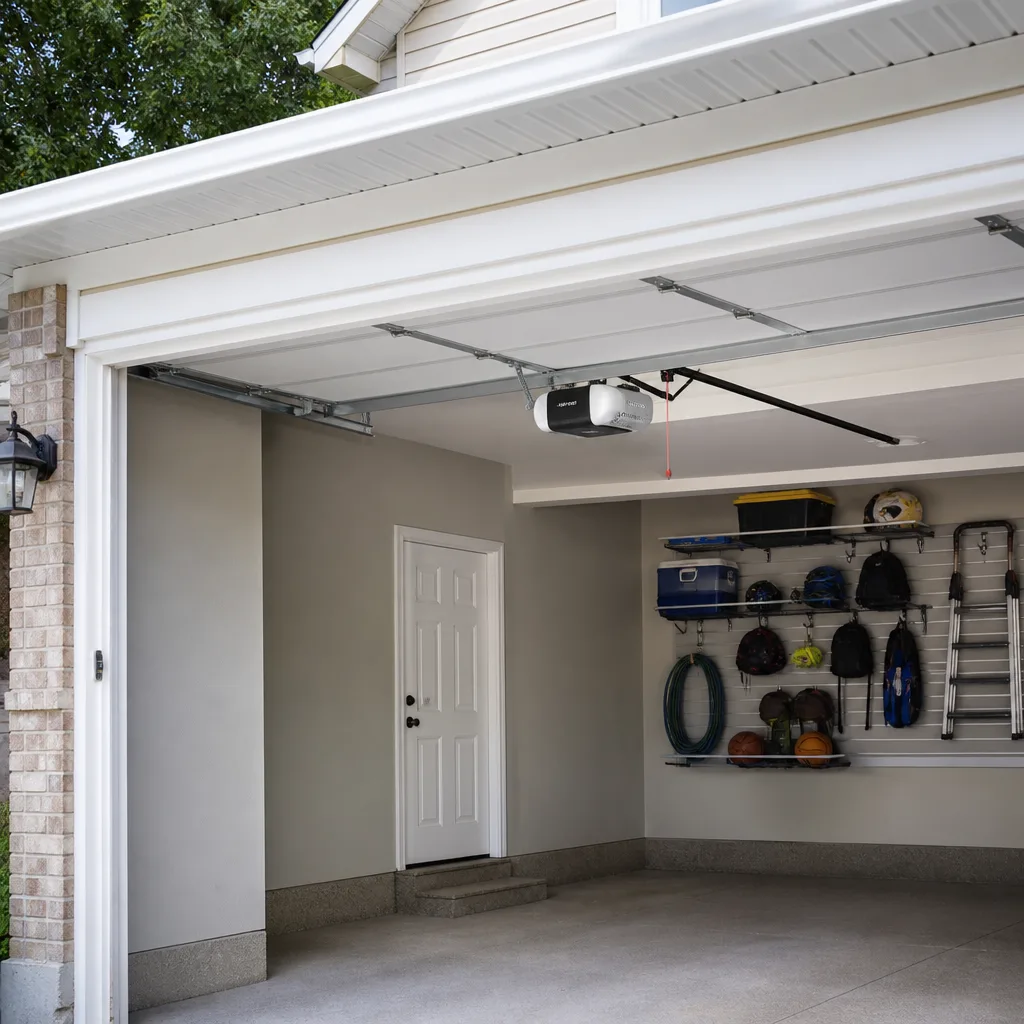 Chamberlain openers
Full 25-point door and opener safety check with every visit - springs, cables, rollers, tracks, and your LiftMaster or Chamberlain opener included
You get a price before we start. It does not change when the truck arrives.
Get your free estimateGarage Door Repair Maintenance Checklist for Carlsbad Homeowners
Here’s what nobody tells you about garage door maintenance in Carlsbad: most emergency repair calls we see aren’t from neglect. They’re from homeowners who maintained their doors exactly as the manufacturer’s manual instructed, using guidance written for a garage in Ohio or Arizona. Coastal air changes everything. Salt, humidity swings, and the specific wear patterns of June Gloom and Santa Ana season mean a generic checklist actually accelerates certain failures while missing the ones that matter here. This guide gives you the month-by-month maintenance cadence that actually works in Carlsbad, the exact products to use and avoid, and the clear line between a DIY task and a call you should make before a $120 problem becomes a $400 one. For Garage Door Repair Troubleshooting: Common Problems and How to Fix Them, see our dedicated guide. If you own a Clopay, Amarr, Wayne Dalton, or Craftsman door, this is written for your specific hardware and your specific climate.
Quick Answer
The right garage door maintenance checklist for Carlsbad homeowners runs on a seasonal rhythm, not a generic monthly schedule: lubricate rollers and hinges with a dry silicone spray in March and September, inspect weatherstripping and rust-prone hardware after June Gloom humidity lifts in July, test auto-reverse and tension balance every 60 days, and do a full visual inspection of springs, cables, and tracks before Santa Ana winds arrive in October. Skip the WD-40 entirely, check the coastal corrosion points twice as often as inland homeowners would, and call a professional the moment you see a frayed cable or a visibly worn spring.
Styles & brands we work with
Table of Contents
- Why Carlsbad’s Climate Breaks Garage Doors Differently
- The Carlsbad Month-by-Month Maintenance Checklist
- The Exact Lubrication Products for Coastal Air (and the WD-40 Mistake)
- Testing Spring Tension, Travel Limits, and Auto-Reverse Without Adjusting Anything
- Which Maintenance Tasks Are DIY-Safe vs. Which Void Your Opener Warranty
- When a Maintenance Issue Has Already Become a Repair
- Brand-Specific Maintenance Notes: Clopay, Amarr, Wayne Dalton, Craftsman
Why Carlsbad’s Climate Breaks Garage Doors Differently
A garage door in Carlsbad deals with three environmental stressors that a door in Temecula or Escondido never faces. First, the marine layer. From late May through July, overnight humidity sits above 85% for weeks at a time. That moisture works its way into pivot points, hinge pins, and the inner coils of torsion springs. Then the sun breaks through and the temperature climbs 15 degrees in an hour, and that trapped moisture expands and contracts inside metal components. Over two or three June Gloom seasons, that cycle produces the kind of internal corrosion you won’t see on the outside of a spring until it snaps.
Second, salt. Carlsbad sits close enough to the surf that airborne salt particles travel inland on the prevailing westerly breeze, especially in the neighborhoods west of El Camino Real. Salt acts as an accelerant for oxidation on any unprotected metal surface: torsion springs, hinge plates, roller stems, and the bottom brackets that hold the lifting cables. Homes in La Costa, Bressi Ranch, and Calavera Hills get less salt exposure than those near the village or along the coast, but the whole city gets enough to matter.
Third, the Santa Ana cycle. Every October through December, dry easterly winds gust through the canyons, and one effect is that fine dust and grit gets driven into the garage door tracks and against the weatherstripping. That grit, combined with dried-out lubricant from the low humidity, increases friction on the rollers and puts extra load on the opener motor and the springs. The result is that the pre-holiday season is one of the two busiest times for breakdowns here. The other is the middle of summer, when the June Gloom humidity has done its work.
The practical takeaway for a Carlsbad homeowner: your maintenance schedule should not be evenly distributed across the year. You should inspect more heavily in July, right after the Gloom lifts, and again in October, before the winds start. The checklist below is built around that reality.
The Carlsbad Month-by-Month Maintenance Checklist
Most manufacturer manuals give you a flat list of tasks and tell you to do them every six months. That’s fine for a climate-controlled suburb in the Midwest. It’s wrong for Carlsbad. Here’s the calendar that matches what the weather here actually does to your door.
January: Rest Month, Visual Scan Only
Your door just survived the Santa Ana season and the holiday-use spike. This is not the month for lubrication or adjustments. Do a one-minute visual scan: any new rust spots on the spring coils, any loosening in the bolts where the track meets the wall, any obvious sag in the door when it’s halfway open. Write down anything you notice but don’t act yet.
February: Bottom Seal Check
After winter rains, the rubber bottom seal on your garage door takes punishment. Get down at floor level and look for gaps, cracks, or spots where the seal has pulled away from the metal retainer. A failed bottom seal lets rainwater, dust, and insects into the garage. It also changes the door’s balance slightly when it snags or compresses unevenly. Replacing a bottom seal is a true DIY task, takes about 30 minutes, and the part costs under $40 at most hardware stores.
March: Spring Lubrication
This is your first lubrication window of the year. The air is still relatively cool and the humidity is moderate, which means the lubricant you apply will actually stay put. Use the products and technique described in the next section. This is a 15-minute job that meaningfully extends spring life in Carlsbad’s salt air.
April: Track Alignment Check
Run the door up and down while watching the gap between the rollers and the track on both sides. The gap should be consistent. If you hear a scraping sound or see a roller wobbling inside the track, you have a track that has shifted out of alignment. This is usually caused by thermal expansion and contraction in the metal track over the winter-to-spring temperature swings. A slightly loose track mounting bolt is DIY-tightenable. A visibly bent track section is not, because bending it back without the right equipment usually makes it worse.
May: Balance Test
Disconnect the opener by pulling the red emergency release cord while the door is closed. Then manually lift the door to about waist height and let go. A properly balanced door will stay put or move only a few inches. If the door drops, your springs are either tired or incorrectly tensioned. If it flies upward, the springs are dangerously over-tensioned. You are testing only, not adjusting. A door that fails this test needs professional service on the springs, because torsion spring adjustment under load is one of the most dangerous jobs in residential repair and should never be attempted without the correct winding bars and training.
June: Humidity Monitoring Only
June Gloom is not the month to lubricate or clean aggressively. The air is too wet, and anything you apply will collect moisture rather than repel it. This month, just observe. Watch for rust forming at the hinge pins and the bottom brackets. If you see rust, plan to address it in July when the air dries out, not now.
July: Post-Gloom Inspection and Corrosion Treatment
The marine layer typically breaks in July. This is your second lubrication window and your primary corrosion-treatment window for the year. Now is when you remove light surface rust from hinge pins and roller stems with fine steel wool, apply a dry lubricant, and treat any exposed metal that’s showing oxidation. This is also the right time to check the condition of the weatherstripping along the sides and top of the door, which swells during June Gloom and then shrinks and cracks when the heat returns. Cracks invite the exact kind of moisture intrusion that will cause problems next year.
August: Opener Force Settings Test
Place a 2×4 piece of wood flat on the ground in the path of the closing door and activate the opener. The door should reverse within about a second of contacting the wood. If it bounces multiple times, or if it doesn’t reverse, your force settings are too high. This is the #1 safety issue we find in Carlsbad homes, and it’s usually the result of someone having adjusted the opener years ago to compensate for a door that was getting harder to open due to corroded rollers. The force adjustment dials on a Chamberlain, LiftMaster, or Genie opener are technically DIY-adjustable, but if you have to increase force to make the door work, the underlying friction problem is the real issue and adjusting force upward is a safety compromise, not a fix.
September: Second Lubrication Window
This is your pre-wind-season lubrication. Apply the same dry silicone spray to rollers, hinges, and springs. The point is to reduce friction before the dry Santa Ana winds coat everything in fine dust. A well-lubricated door in September is a door that survives October without a stripped gear or a burned-out opener motor.
October: Pre-Santa Ana Full Inspection
Before the gusts arrive, inspect every load-bearing component: torsion spring coils for signs of wear or rust, lifting cables for fraying or kinks, hinge plates for cracks or loose rivets, and the opener chain or belt for slack. Santa Ana winds don’t directly damage garage doors, but they introduce dust and grit at exactly the moment the air becomes driest, and that combination maximizes friction on any component that’s already marginal.
November: Opener Gear and Sprocket Check
If you have a chain-driven opener from Craftsman, LiftMaster, or Chamberlain, the nylon drive gear inside the opener motor unit is a sacrificial component that wears out, especially when the door has been running with high friction. Listen for a grinding or knocking sound near the top of the opener unit while the door runs. Any grinding means the gear is on its way out. It’s a common repair we handle in November and December.
December: The Quiet Month
Do nothing beyond a visual check. The door is either in good shape because you followed this calendar, or it’s been signaling problems and now is the time to address them before they become a holiday-season breakdown. For a full list of warning signs, see our Garage Door Warning Signs: A Carlsbad Homeowner’s Reference Guide. If you’ve noticed anything unusual in the past two months, this is the right time to schedule a professional inspection rather than waiting for the door to fail when you’re hosting guests.
The Exact Lubrication Products for Coastal Air (and the WD-40 Mistake)
The single most common mistake in coastal garage door maintenance is using the wrong lubricant, and the most common wrong lubricant is standard WD-40. Here’s the problem: WD-40 is a solvent and water-displacer, not a long-term lubricant. It’s designed to clean and loosen. When you spray it on a garage door roller or spring, the solvent component strips away whatever real lubrication was there, and the thin film it leaves behind evaporates within a few days. In Carlsbad’s humid air, that film also attracts and traps fine particulate matter, which then creates an abrasive paste exactly where you wanted less friction. Every Carlsbad homeowner should keep WD-40 away from their garage door hardware.
What you actually want is one of two things, depending on the component:
- White lithium grease (spray): For the torsion spring coils only. The heavier viscosity stays on the spring as it winds and unwinds, and it provides the longer-lasting protection the spring’s load-bearing surface needs. Apply it along the top of the spring coils while the door is closed, then run the door up and down twice to distribute it.
- Dry silicone spray: For rollers, hinges, the lock mechanism, and the opener rail (if you have a screw-drive or chain-drive opener). Silicone leaves a dry film that lubricates without attracting dust, which is exactly what you want in a salt-air and Santa Ana dust environment.
Two product notes that matter in Carlsbad specifically. First, avoid petroleum-based penetrating oils on anything except the emergency release lock on the outside of the door. They’re too thin for our application and they hold moisture against metal surfaces. Second, if you’re using a spray lithium grease on the spring, apply it in a thin, even coat, not a heavy one. A thick coat of grease on a torsion spring in Carlsbad’s humid spring months will trap salt-laden moisture directly against the spring steel, which shortens spring life. Thin and even is the rule.
The timing rule from the month-by-month calendar bears repeating: lubricate in March and September, not during June Gloom and not during the dry Santa Ana period. The air conditions in those shoulder months give the product the best chance to bond and stay effective.
Testing Spring Tension, Travel Limits, and Auto-Reverse Without Adjusting Anything
You don’t need to adjust anything to know whether your garage door’s safety systems are working. These tests take less than 20 minutes total and they’ll tell you whether the door is running safely or whether it’s time to have a professional look at it. The key distinction here is testing versus adjusting. Testing is safe for any homeowner. Adjusting torsion springs or rewinding cables is not. This section covers testing only.
Numbered routine for a complete safety self-check:
- Balance test. Pull the red emergency release cord while the door is closed. Lift the door manually to waist height and release it. It should hold position or drift only a couple of inches. A door that falls or rises on its own tells you the springs are either worn or improperly tensioned. Note the result but don’t touch the springs.
- Auto-reverse test (mechanical). With the opener re-engaged, place a 2×4 flat on the floor where the door will land. Close the door using the opener. It should contact the wood and reverse direction within one second. If it doesn’t, or if it bounces twice before reversing, the downward force setting is too high.
- Photo-eye test. With the door open, place a cardboard box about 8 inches tall in the path of the photo-eye sensors near the floor on either side. Press the close button. The door should not close at all. The sensor beam is a critical safety feature, and a garage door that closes when the beam is blocked is a serious child-safety hazard.
- Travel limit check. Close the door and look at the floor gap. A properly adjusted door should close flush, or within a quarter-inch of the floor, across the entire width. If you see a gap on one side but not the other, the travel limits or the door itself has shifted.
- Manual operation check. With the opener still disengaged, run the door up and down by hand. It should move with even resistance. Sticking points, sudden releases, or a door that feels heavier than it used to indicate friction or spring problems that will eventually damage the opener motor.
Run this routine every 60 days, and run it immediately after any worker has been in the garage doing plumbing, electrical, or storage work that may have bumped the tracks or the sensors. These five tests catch the vast majority of safety problems before they become emergency repairs.
Which Maintenance Tasks Are DIY-Safe vs. Which Void Your Opener Warranty
Garage door opener warranties from LiftMaster, Chamberlain, and Genie all contain language about proper maintenance and adjustment. The practical reality is that opening the plastic cover on the motor unit and fiddling with the internal gears or circuit board will void the warranty, while basic external maintenance will not. Here’s the boundary line as it applies to a homeowner in Carlsbad.
Tasks that are safe for a homeowner and will not affect your warranty:
- Lubricating the opener rail, hinges, rollers, and door springs with appropriate products
- Replacing a burned-out light bulb in the opener unit
- Tightening the mounting bolts that hold the opener to the ceiling
- Aligning the photo-eye sensors so the indicator lights come on steady
- Replacing the rubber weatherstrip on the bottom of the garage door
- Replacing opener remote batteries and reprogramming remotes using the learn button
Tasks that must be handled by a professional to preserve your opener warranty:
- Replacing the drive gear, sprocket, or belt inside the opener motor housing
- Adjusting the internal force-sensing mechanism or circuit board settings
- Replacing a broken torsion spring or extension spring
- Rewinding or replacing lifting cables
- Straightening a bent track section or re-hanging a misaligned track
- Replacing the opener logic board or motor
The rule that guides our advice to Carlsbad homeowners is simple: anything you could do with a wrench, a can of silicone spray, and a step ladder is likely DIY-safe. Anything that requires taking the opener unit apart or touching a component under spring tension crosses the line. The springs on a garage door, especially torsion springs, carry enough stored energy to cause serious injury or death. A spring that snaps while you’re adjusting it doesn’t give you a warning. We say this not to be dramatic but because we’ve seen the result of well-meaning DIY repairs in this city, and they’re avoidable. The Garage Door Opener Repair in Carlsbad page goes into more detail on what professional opener service actually involves.
When a Maintenance Issue Has Already Become a Repair
Every maintenance checklist in the world won’t help if the component has already failed. The distinction matters because a lot of Carlsbad homeowners spend time and money maintaining a door that needed Garage Door Repair six months ago. Here’s how to tell the difference.
A maintenance issue is something you manage. A roller that’s getting noisy but still rolls smoothly is a maintenance issue. A weatherstrip that’s starting to crack is a maintenance issue. A spring that has surface rust but no visible gaps in the coils is a maintenance issue. You address these with lubrication, cleaning, and cheap replacement parts.
A repair is something that has crossed a functional threshold. Here are the specific signs:
- A torsion spring with a visible gap in the coils, meaning it has snapped, is a repair. The door will not lift manually or with the opener, and continuing to run the opener will burn out the motor.
- A lifting cable with individual wire strands poking out, or a cable that has jumped off the drum, is a repair. Cables under tension will not heal, and they fail completely without warning.
- A roller that has lost its ball bearings and is scraping metal-on-metal inside the track is a repair. The track is now being damaged every time the door moves.
- A bottom panel that has rotted through, or a door that has rusted through at the bottom corners near the salt-air exposure line, is past the point of maintenance.
- An opener that runs but produces a grinding noise, or that strains audibly and then reverses, has a mechanical failure in the drive system, not a maintenance deficit.
The cost consequence of the maintenance-repair distinction is real. A $12 roller and a $15 can of lubricant applied at the right time prevents a $180 service call. A $45 bottom seal replaced in February prevents a $300 track realignment in July after the door has been running crooked for months. The whole point of this guide is to help you spend the $12 and the $45, not the $180 and the $300. When you’re past the point of prevention, Garage Door Repair in Carlsbad is what you’re looking for.
Brand-Specific Maintenance Notes: Clopay, Amarr, Wayne Dalton, Craftsman
Most maintenance checklists talk about garage doors generically, but door hardware differs between manufacturers, and those differences affect what you should watch for in Carlsbad’s climate. We work on every major brand sold in the region, and these are the patterns we see.
Clopay doors are the most common premium residential door in Carlsbad, and the steel doors with factory-applied finishes hold up better than most in salt air. The weak point on Clopay doors is the bottom weatherseal retainer, which is aluminum on many models and corrodes faster than the door itself. If you have a Clopay, check the bottom retainer for white powdery oxidation every July, and replace the rubber seal proactively every three to four years rather than waiting for visible cracks.
Amarr doors are built with a focus on insulation and quiet operation, which makes them popular in the coastal hillside communities where garages are often under living space. The Amarr-specific issue in Carlsbad is the nylon ball-bearing rollers that ship standard on their mid-tier doors. Those rollers are quiet and smooth when they’re clean, but they don’t tolerate abrasive grit as well as steel rollers, and Santa Ana dust eventually makes them feel rough. Listen for a subtle roaring sound when the door runs. That’s the roller bearings, and replacing them before they seize prevents damage to the hinge plates and track.
Wayne Dalton doors are the ones we most often see with the TorqueMaster spring system, which is a torsion spring enclosed inside a tube rather than mounted exposed on a shaft above the door. The good news is that the enclosed spring is protected from salt air. The bad news is that the enclosure also hides the rust and wear until the spring fails, because you can’t see the coils. If you have a Wayne Dalton with a TorqueMaster tube, your maintenance schedule should include a professional spring inspection every two years even if the door feels fine, because the normal visual cues don’t exist.
Craftsman doors are the value-end workhorses, most often paired with Craftsman chain-drive openers installed in the 1990s and 2000s. The door itself is usually a basic steel panel with hinges that were adequate when new but now show their age. The Craftsman-specific pattern in Carlsbad is rust at the hinge plates and at the bottom corners of the door panels, especially on homes within a mile of the coast. Check the hinge screws for rust staining every July, and replace the hinges rather than lubricating them if the pins have started to bind. The hinges are inexpensive and easy to swap, and running a door on seized hinges will eventually twist the panels.
Whatever brand hangs on your house, the maintenance fundamentals in this guide apply: the right lubricant at the right time of year, honest safety testing, and no spring or cable adjustments without a professional. The details just change slightly, and now you know which details matter for your specific door. If you’re not sure what brand you have, Flagstone Garage Door Repair home page explains what we work on, and the answer is usually etched on the inside of the bottom panel or on a sticker near the opener.
Common Mistakes to Avoid
- Using WD-40 on springs and rollers. The solvent strips real lubricant and the thin film it leaves attracts salt-air particulates. In Carlsbad’s coastal humidity, WD-40 is essentially a corrosion accelerant when used on garage door hardware.
- Lubricating during June Gloom. Applying any lubricant while the marine layer sits over the city means the product traps moisture against the metal. That’s the opposite of protection. Wait until July when the air dries.
- Ignoring the auto-reverse force setting. A lot of Carlsbad garage door openers are set too forcefully because someone cranked them up years ago to compensate for a door that was getting harder to move. Test the auto-reverse every 60 days, and treat a failure as a repair issue, not an adjustment issue.
- Never checking the emergency release cord. The red cord and the release mechanism it connects to accumulate salt-air corrosion just like everything else. Test it once in March and once in September: pull the cord while the door is closed, verify the door moves freely by hand, and re-engage the opener. A release mechanism that’s frozen in place turns a simple balance test into a day of frustration.
- Adjusting the springs instead of testing them. Torsion spring adjustment under load is one of the most dangerous home repair tasks in existence. The winding bars, the stored energy, and the absence of any margin for error mean this is never a DIY job, no matter what a YouTube video shows you.
- Painting over rust instead of treating it. If you see surface rust on hinges or springs and you paint over it without removing the rust first, the oxidation continues underneath the paint. Remove light rust with fine steel wool, then apply the appropriate lubricant, and only paint if the component is non-load-bearing and fully cleaned.
See the difference
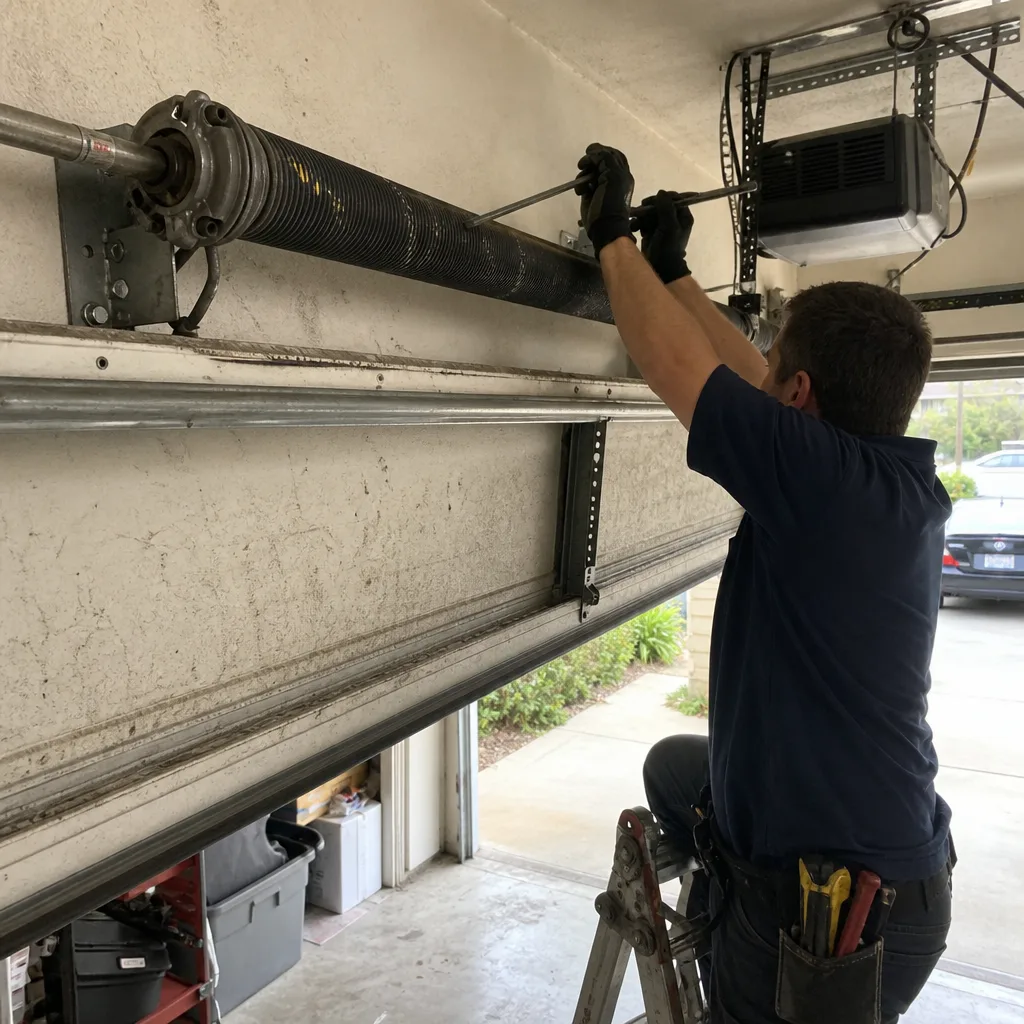 Before
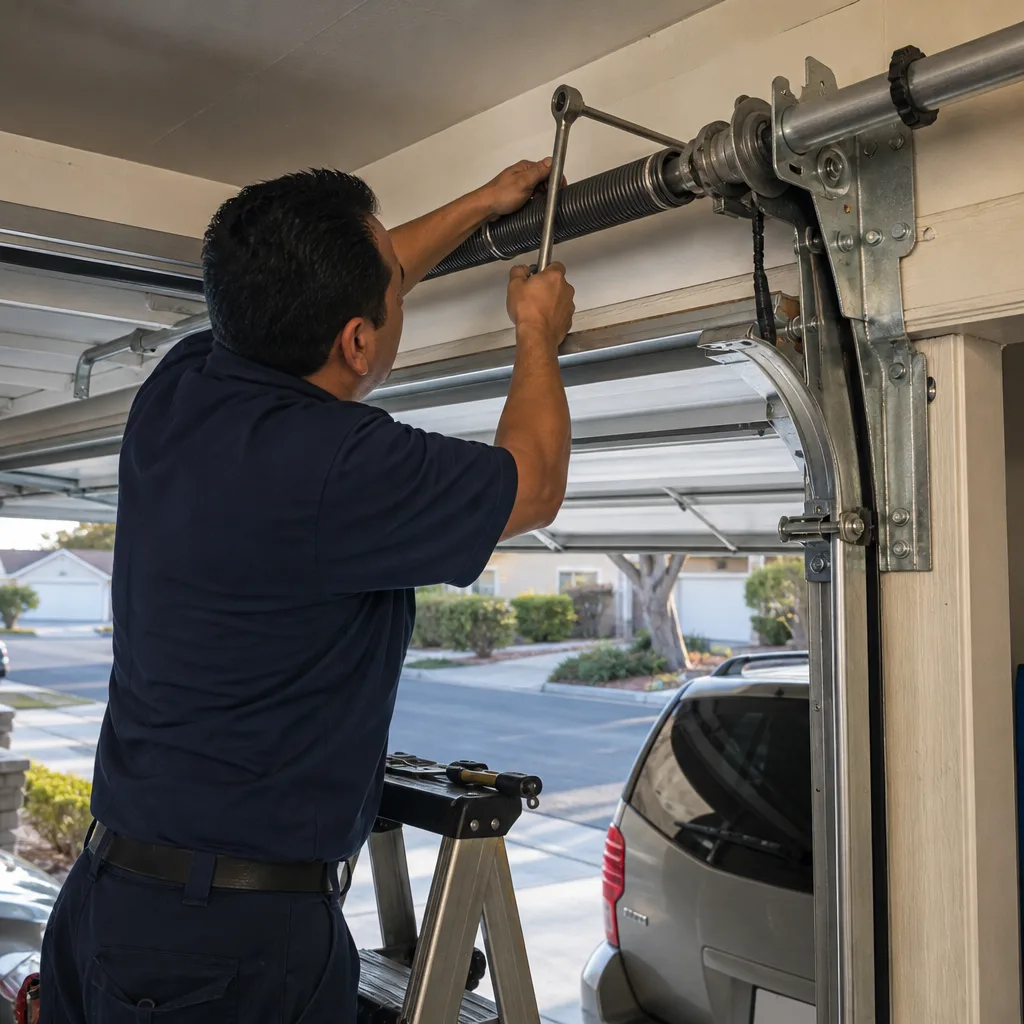 After
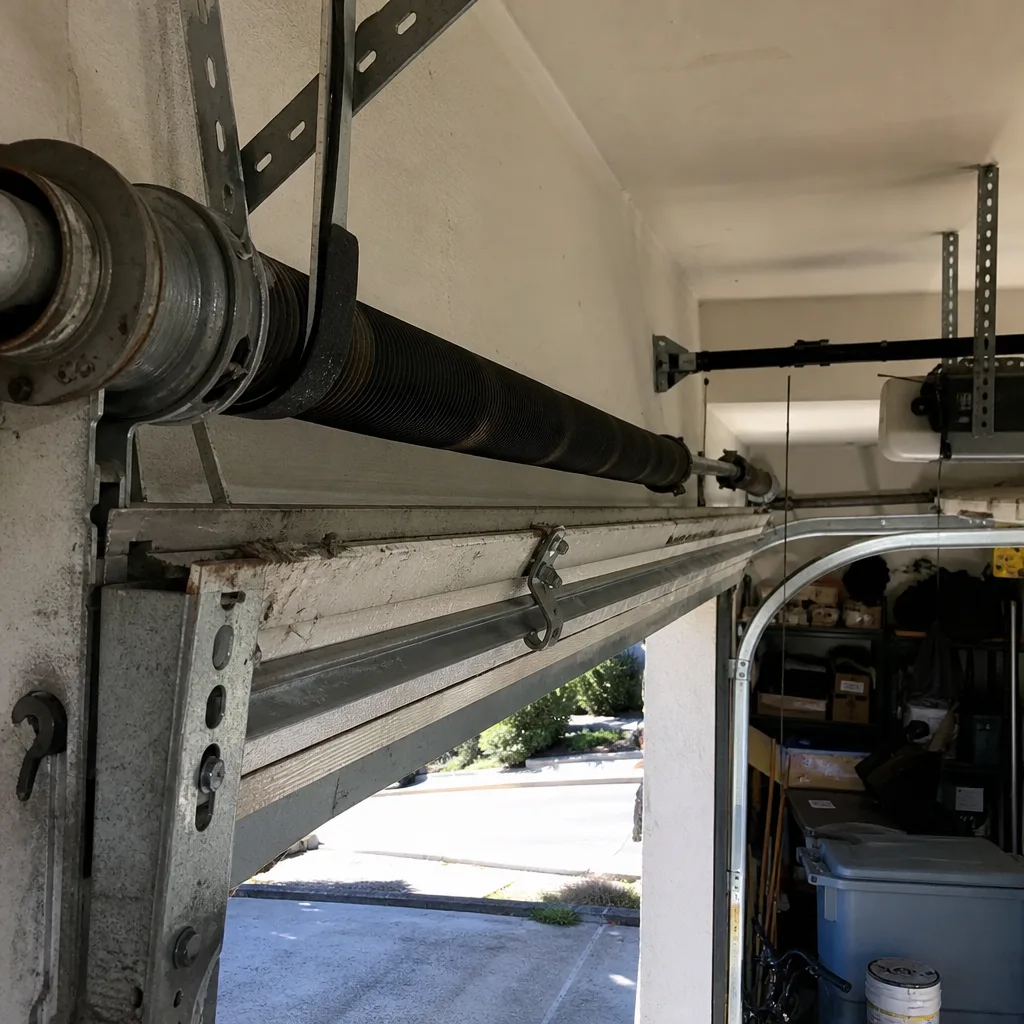 Before
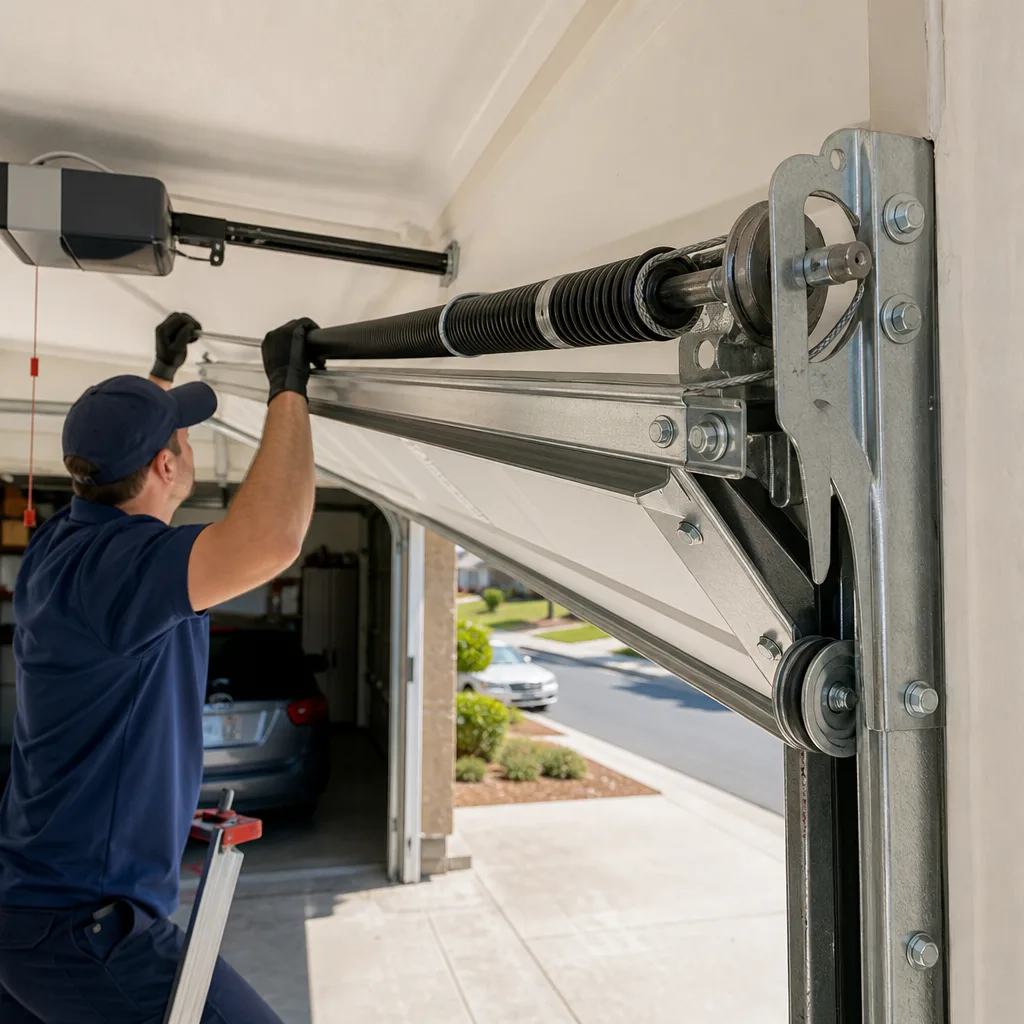 After
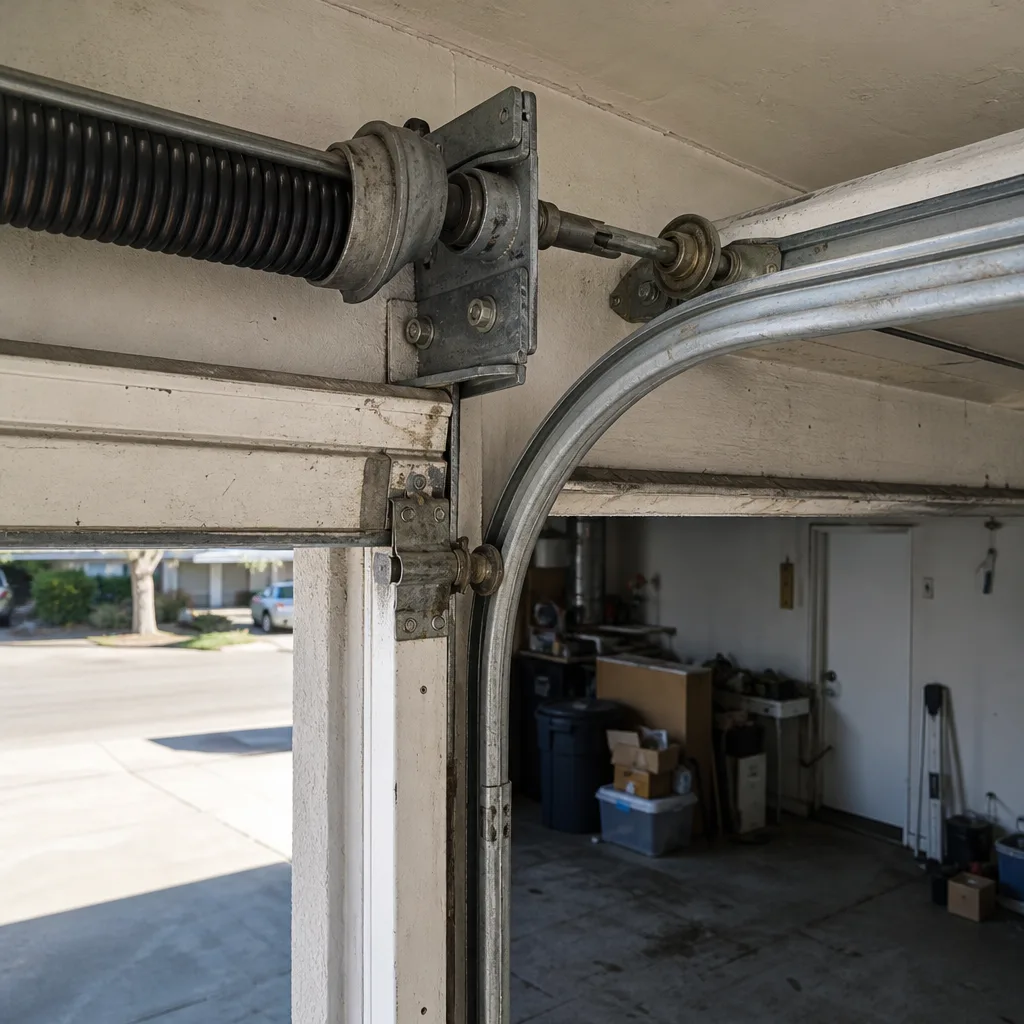 Before
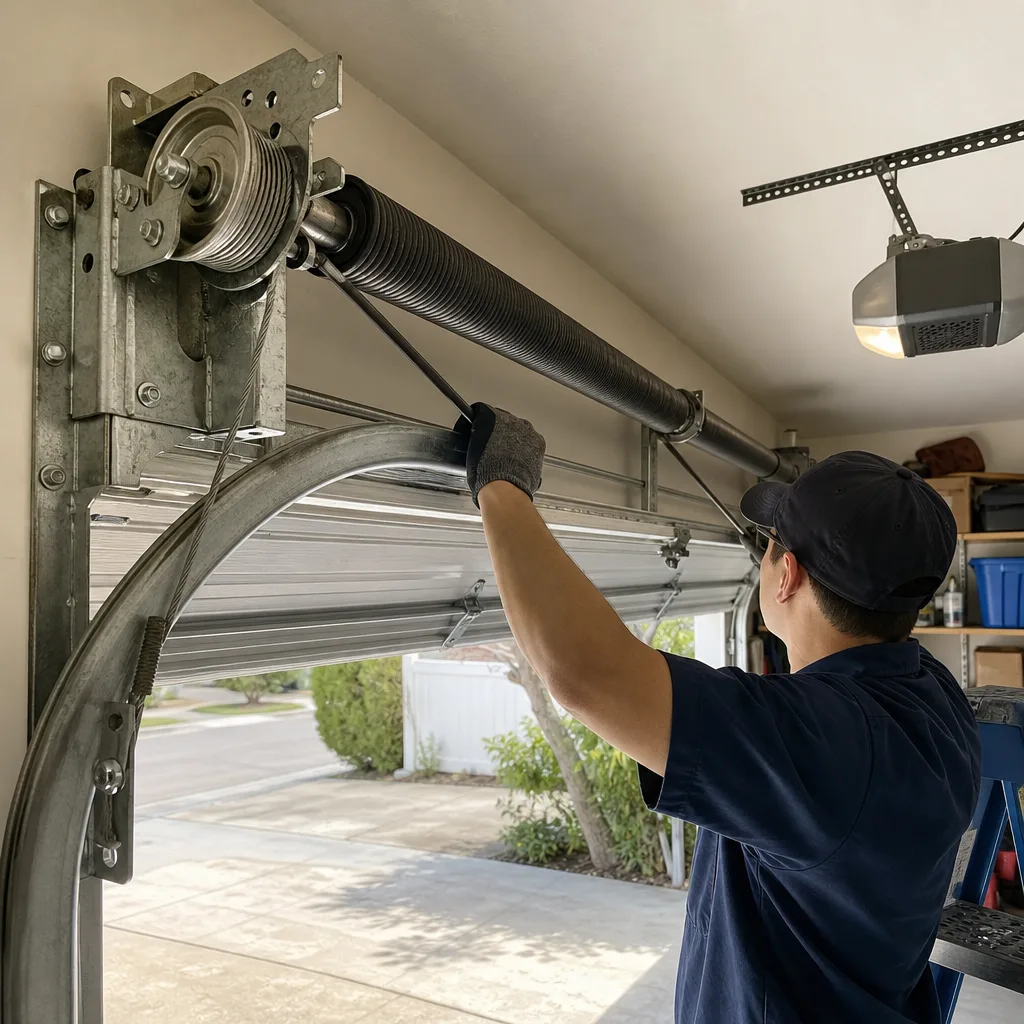 After
When to Call a Professional
Here’s the honest line: if your door has a snapped spring, a frayed cable, a bent track, a grinding opener, or a panel that’s rusted through, no maintenance routine will fix it. These are structural failures. Continuing to use the door risks further damage to the opener, the tracks, and the panels, and in the case of cables and springs, it also risks injury. A professional should also be called for any job that involves touching a component under tension, opening the motor unit, or accessing the spring shaft, and for any situation where your safety self-test produced a failure. If you’ve reached that point, Flagstone Garage Door Repair offers free estimates in Carlsbad, call (877) 626-0784. We’ll tell you honestly whether it’s worth repairing what you have or whether replacement makes more financial sense. We work across Clopay, Amarr, Wayne Dalton, Craftsman, and every other major brand sold in Carlsbad, so the answer isn’t limited by what we happen to sell. For new doors and full replacements, see the Garage Door Installation in Carlsbad page.
Frequently Asked Questions
Twice a year: once in March and once in September. These shoulder-season windows avoid the high moisture of June Gloom and the dry, dusty Santa Ana period, giving the lubricant its best chance to bond and stay effective. Use white lithium grease on torsion springs and dry silicone spray on rollers, hinges, and the opener rail. Call (877) 626-0784 if you want a professional lubrication check as part of a broader inspection.
For a homeowner doing it themselves, the annual cost runs $25 to $60: a can of white lithium grease, a can of dry silicone spray, replacement weatherstripping if needed, and occasional replacement rollers or hinges. A professional tune-up inspection in Carlsbad typically runs between $75 and $150 depending on what’s included, and the cost of catching a failing component during an inspection is a fraction of the cost of fixing it after it breaks. Browse our more guides & resources for additional maintenance tips. Call (877) 626-0784 for an exact quote, estimates are free.
Yes, and this is one of the most expensive mistakes in Carlsbad specifically. When salt-air corrosion increases friction in the rollers and hinges, the opener motor works harder on every cycle. Over months, that extra load burns out motors, strips nylon drive gears, and shortens the life of a $450 opener because of a $15 maintenance deficit. The force-settings test described above will catch this before it becomes a motor replacement.
The post-June-Gloom inspection in July. That’s when the months of marine-layer humidity have done whatever damage they’re going to do, and it’s the first time you can see it. Check for rust, test the auto-reverse, inspect the cables and springs for wear, and replace anything that’s marginal. Homes that do this every July are dramatically less likely to have emergency repairs in the fall and winter.
This is a judgment call that depends on the door’s age, the condition of the panels, and the state of the springs and tracks. As a general rule: if the panels are rusted through, the door is more than 15 years old, and the springs are due for replacement anyway, replacing the whole door is often the better long-term value. If the panels are solid and the issues are limited to rollers, springs, weatherstripping, and the opener, maintaining what you have makes more sense. The Garage Door Repair in Carlsbad page covers repair scenarios, and the installation page covers replacement. Call (877) 626-0784 for an honest assessment.
A tune-up addresses things before they break: lubrication, alignment, force settings, and minor parts like weatherstripping and rollers. A repair addresses something that has already failed: a snapped spring, a frayed cable, a stripped gear, or a burned-out motor. The distinction matters because a tune-up is cheap and scheduled, while a repair is urgent and expensive. Any garage door company that tries to sell you a repair when your door just needs a tune-up isn’t doing you any favors. Flagstone Garage Door Repair gives free estimates in Carlsbad, call (877) 626-0784 so you know which one you actually need.
The Bottom Line
The maintenance routine that keeps a Carlsbad garage door running for decades is not complicated, but it is specific. Lubricate the right components in March and September with dry silicone and lithium grease, never WD-40. Do a deep inspection in July after the Gloom lifts and again in October before the winds. Test the auto-reverse, balance, and photo-eyes every 60 days. Replace the bottom seal in the winter. And recognize that springs and cables are never DIY under any circumstances. Follow this calendar and you’ll replace cheap wear parts on schedule instead of paying for emergency repairs at the worst possible time. When something does cross the line from maintenance to repair, or when you want a professional inspection rather than doing it yourself, Flagstone Garage Door Repair is a multi-brand specialist serving Carlsbad. Call (877) 626-0784 for a free estimate.
Written by the team at Flagstone Garage Door Repair, serving Carlsbad since 2014.